A soft shag is a layered haircut built around shorter, feathered pieces around the face and crown that blend into longer lengths underneath, giving the whole style a rounded, lived-in movement instead of the choppy, razor-cut edges of a classic ’70s shag. It works on straight, wavy, and curly hair alike, which is a big part of why it keeps showing up across Pinterest boards and salon consultation photos right now.
It sits in the same family as the butterfly haircut and the octopus cut, though each of those relies on a different layering pattern to get there. Below are 17 distinct takes on the cut, from bob length to long layers, each with a different technique, texture, or color approach behind it.
1. Soft Shaggy Bob With Rounded, Face-Framing Ends

The length here hovers around the jaw to collarbone, with the layers cut on a slight diagonal so the ends curve inward instead of flaring out. The shortest pieces sit right at the cheekbone, which is what gives this bob its rounded, almost bouncy silhouette instead of the blunt, geometric look of a standard bob.
It reads as low maintenance because the layering does most of the styling work on its own. A quick blast with a round brush or a few loose waves from a curling iron is usually enough to bring out the shape, which makes it a practical choice for anyone who doesn’t want a daily styling routine. A flat iron run loosely through the ends works just as well for anyone who prefers a sleeker finish.
Tip
- Ask for “internal layers, not perimeter layers” so the outline stays soft
- Point to a photo showing the ends curving in, not flipping out
- A light texturizing spray on damp hair helps the layers separate naturally
- Works well cut just above or just below the collarbone
- Round-brush drying the ends under, rather than out, keeps the curve intact
Face Shape Match
The inward curve softens angles at the jaw, so it’s especially flattering on square and heart-shaped faces, and it suits fine to medium hair that needs help looking fuller.
2. Soft Shaggy Layers At Medium Length
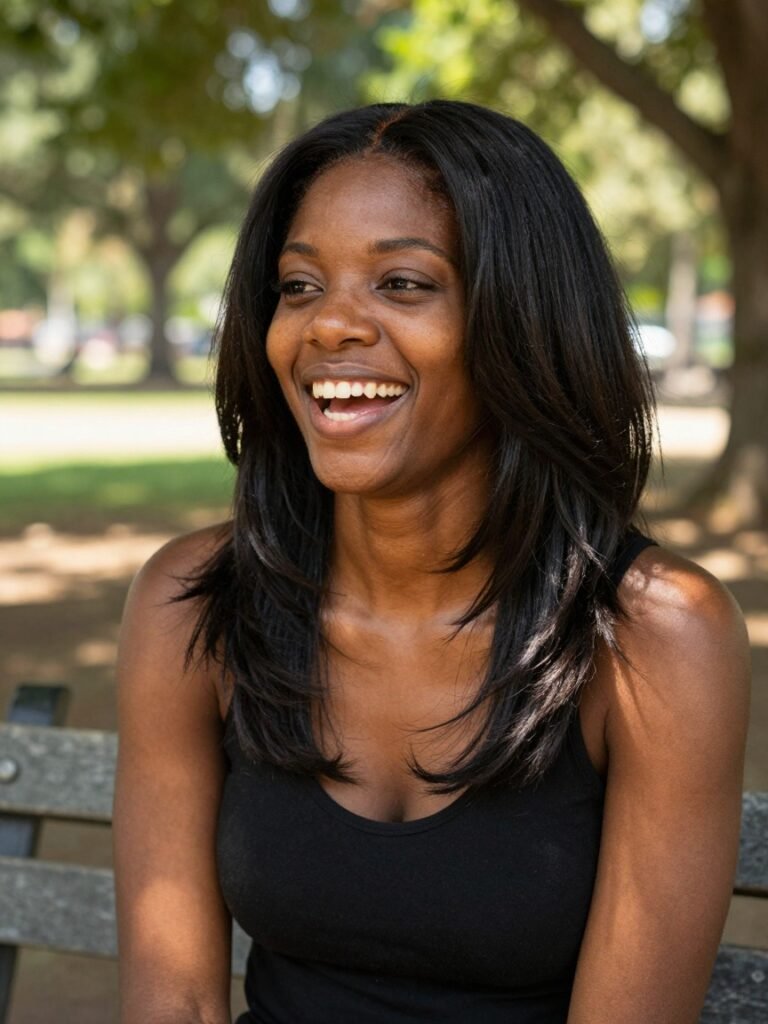
Landing between the shoulders and the collarbone, this cut layers throughout the mid-lengths and ends rather than concentrating the texture only near the face. The result is movement that shows up whether the hair is down, half up, or pulled into a low ponytail.
Because the layering is distributed evenly, this version tends to hold its shape longer between cuts than shorter, face-heavy versions. That’s the trade-off worth knowing going in. It’s a more forgiving cut day to day, but it takes a bit longer to grow into once the layers are first put in. For a lot of people, this is the first real entry point into the broader shag haircut trend, since it flatters both straight and wavy textures without asking for much daily effort.
Tip
- Describe it as “shag layers through the mid-length, not just the top”
- A texturizing cream on the ends keeps flyaways from looking frizzy instead of styled
- Ask the stylist to point-cut the ends rather than blunt-cutting them
- Air-dries reasonably well if the layers are cut with enough movement
Face Shape Match
The even layering through the mid-lengths balances a longer, oval face particularly well, and it suits medium to thick hair that can carry weight without going flat.
3. Soft Shaggy Curls With Loose, Undone Texture
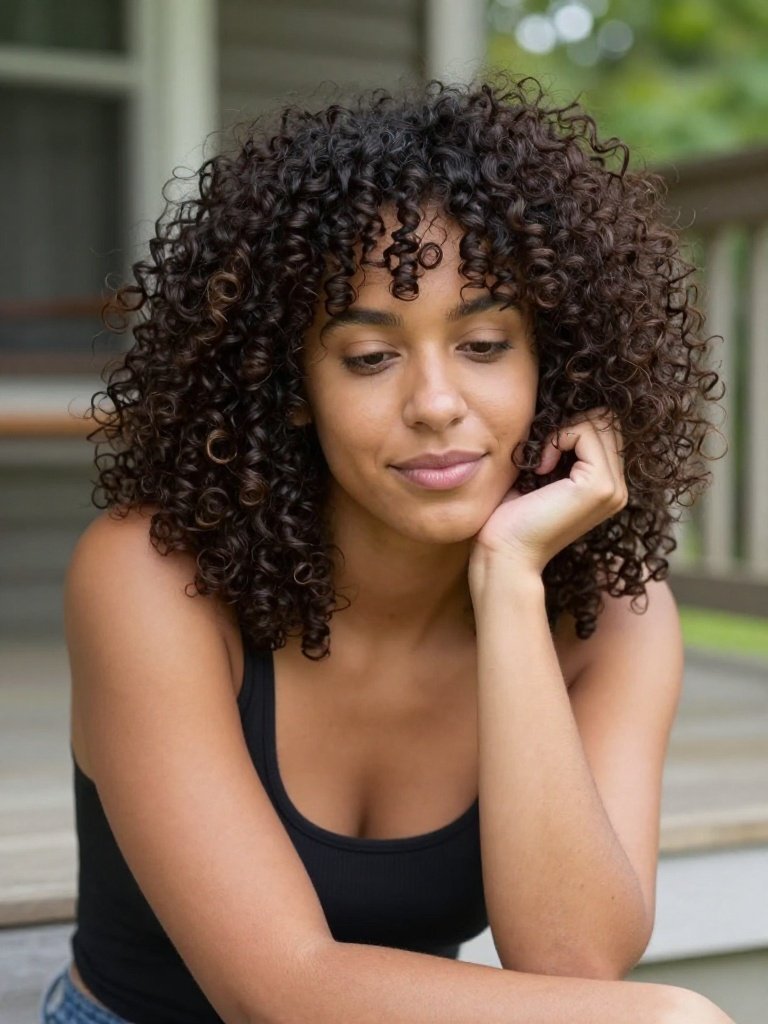
This is soft shaggy curly hair cut with the natural curl pattern in mind, relying on shorter layers around the crown to break up bulk and let ringlets or loose spirals spring up without weighing the whole style down. It targets curly and coily textures specifically, rather than being a straight-hair cut that happens to work on curls.
A blow dryer’s diffuser attachment on low heat, or air-drying with a light curl cream, brings out the layered shape without disrupting the curl pattern itself. On thicker curl types, this cut genuinely reduces the triangle shape that can happen when curly hair is left without internal layers.
Tip
- Ask for a “dry cut” if the curl pattern is tight, since curls shrink differently wet versus dry
- Mention wanting layers “to reduce bulk without thinning the ends”
- A leave-in conditioner before diffusing helps define individual pieces
Face Shape Match
The volume at the crown and the layered sides suit round and oval face shapes best, and it’s built specifically for wavy, curly, and coily hair textures.
4. Soft Layered Shag Past The Shoulders
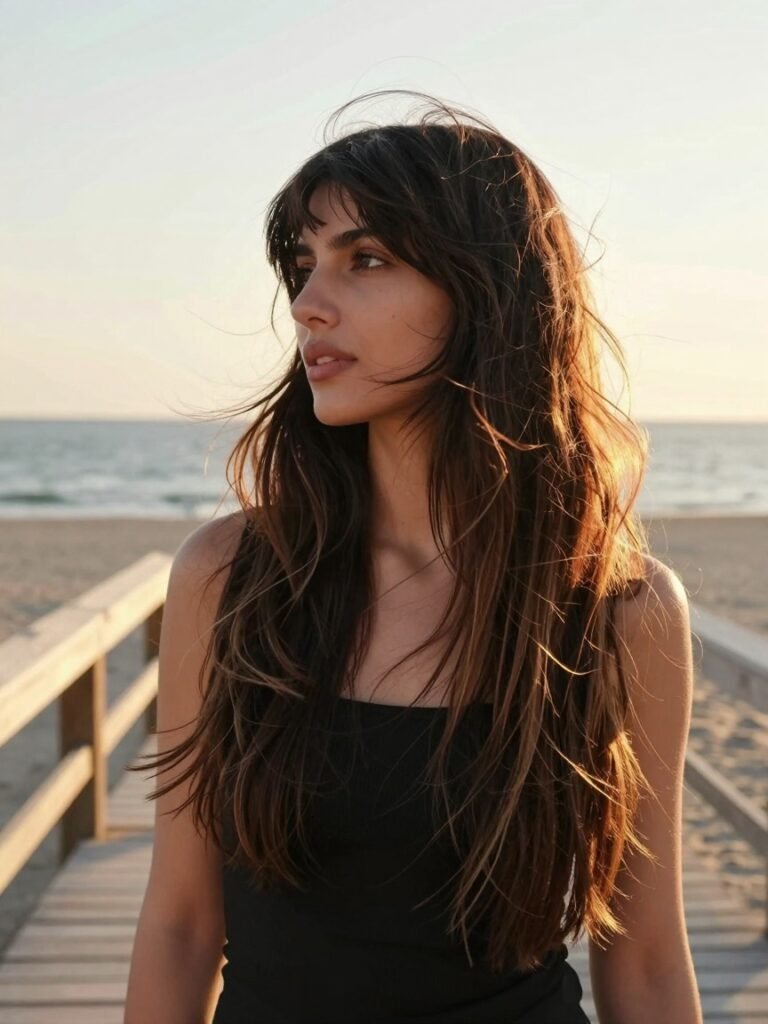
Layers start around the chin and continue down past the shoulders, making this the longest cut in the lineup. Because there’s more length to work with, the layering can be subtler through the top and heavier toward the ends, which keeps the overall shape from looking too thin at the bottom.
These layers still read as noticeably different from a plain long layered cut, mainly because of how much shorter the top pieces are by comparison. That contrast between short crown layers and long ends is what gives the style its piecey texture and shape, so it’s worth being specific about that gap when describing it to a stylist.
Tip
- Bring a photo showing the top layers hitting around chin length
- Ask for face-framing pieces cut slightly shorter than the rest for definition
- A loose beach wave from a 1.5-inch iron shows off the layering best
- Regular dusting every 8 to 10 weeks keeps the ends from looking stringy
- Works on both natural texture and blow-dried straight styles
Face Shape Match
The long line down the sides elongates a round or square face nicely, and it works well on medium to thick hair that has enough weight to fall smoothly.
5. Layered Soft Shag Cut Built For Fine Hair
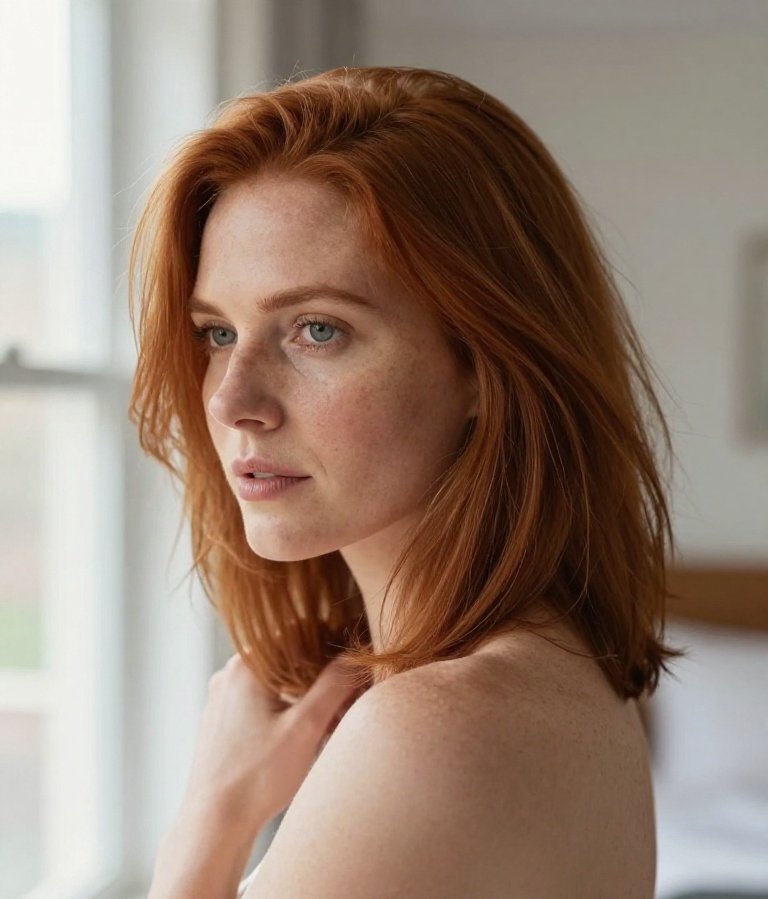
Fine hair needs a different approach than thick hair, since too many layers can leave it looking sparse instead of textured. This version uses fewer, more strategically placed layers, mostly around the crown and face, to create the illusion of volume without actually removing enough hair to make it look thin.
The point-cutting technique used on the ends matters here. Rather than thinning shears, which can leave fine hair looking wispy in a bad way, the ends are cut at an angle to create soft texture while keeping as much density as possible along the length. Some stylists reach for texturizing shears sparingly on the very ends, but most keep the technique focused on point-cutting alone for finer strands.
Tip
- Say specifically “fine hair, so fewer layers and no thinning shears”
- Ask for point-cutting on the ends instead of razor texturizing
- A volumizing mousse at the root before blow-drying helps the layers hold shape
- Avoid cutting layers too short at the crown, which can flatten fine hair
Face Shape Match
Because it adds visual density rather than removing weight, this version suits most face shapes and works well for fine or thin hair types.
6. Soft Shag With Wispy Curtain Bangs

Curtain bangs split down the middle and sweep back toward the temples, blending into the face-framing layers instead of standing apart as their own separate piece. The bangs are cut long enough to tuck behind the ears or clip back when needed, which is part of why this combination has stayed popular rather than feeling trend-locked.
The result is a soft bangs look that blends directly into the rest of the cut rather than standing apart as its own section. A blunt, heavy fringe would compete with the layering underneath, so the bangs are point-cut to feather out and match the texture of the rest of the cut.
Tip
- Ask for bangs “cut into the layers, not as a separate section”
- Request point-cut, wispy ends rather than a blunt bang line
- Bangs at this length need a trim roughly every 4 to 6 weeks
Face Shape Match
Curtain bangs open up the forehead while still framing it, making this version especially flattering on round, square, and heart-shaped faces with straight to wavy hair.
See Also: 13 Gorgeous Spiky Hairstyles
7. Short Soft Shag With A Feathered Crown
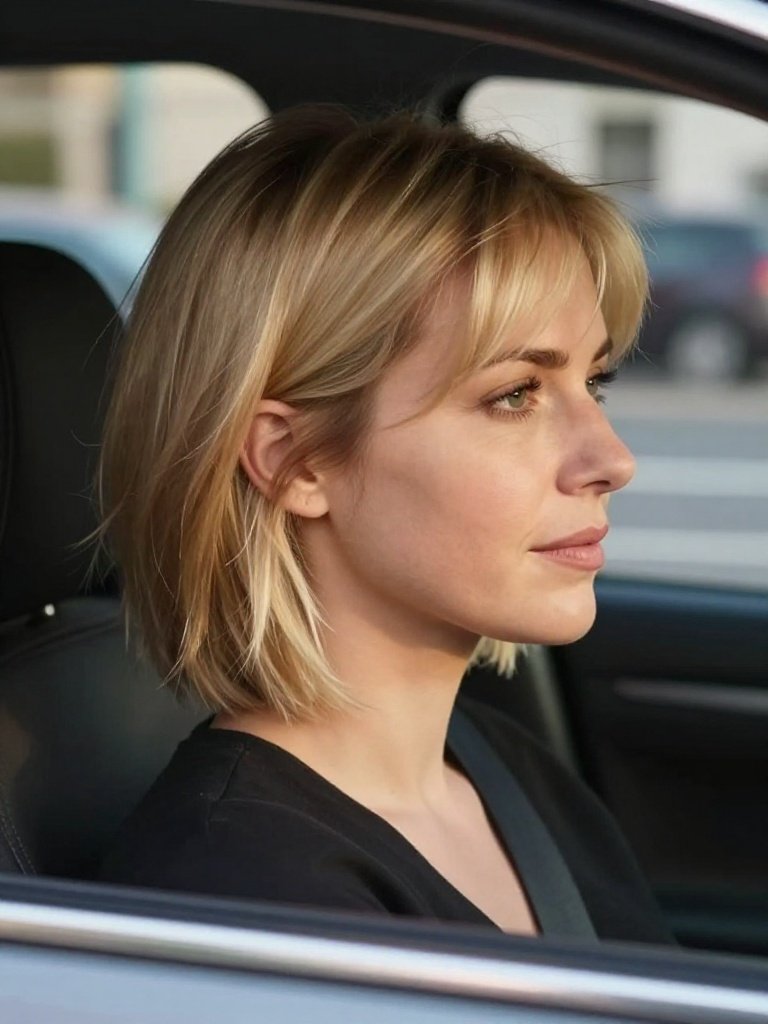
The length here sits just above the chin, with the shortest layers concentrated right at the crown so the hair keeps lift and movement even without much length to work with. The feathering fans out from the part line, which keeps the top from looking flat against the scalp. Stylists often isolate this section with sectioning clips before feathering each piece individually, which is part of what keeps the crown from looking chunky.
This is arguably the highest-commitment version on this list, since a shag this short grows out noticeably faster than any of the longer options, and it needs more frequent trims to keep the feathered shape intact. It rewards that upkeep with a style that looks intentional rather than just short.
Tip
- Ask specifically for “feathered layers at the crown, not just a short cut”
- A texture powder at the root gives lift without extra product weight
- Trims every 5 to 6 weeks keep the feathering from growing out shapeless
- Works best styled with a small round brush rather than air-dried
- Bring a length reference photo, since “short” varies widely by stylist
Face Shape Match
The lift at the crown adds height that flatters a round or square face, and it suits fine to medium hair that holds shape well at shorter lengths.
8. Soft Shag Wolf Cut With Heavy Interior Layering
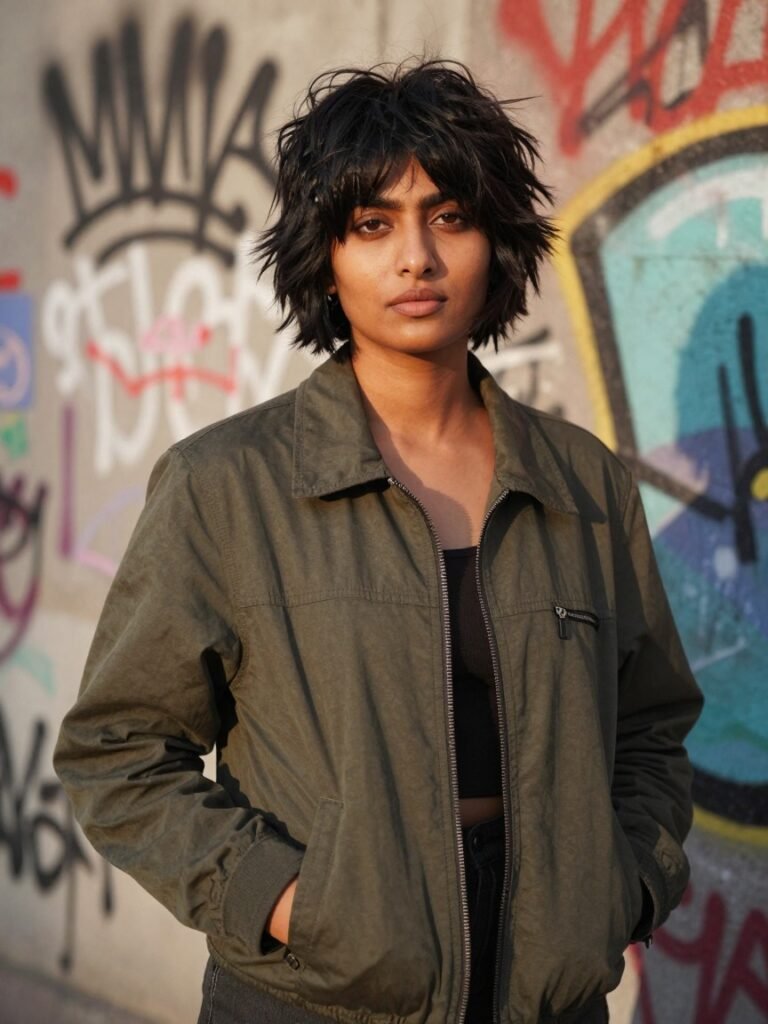
The wolf cut takes the shag concept and pushes the layering further, with much shorter, choppier pieces cut throughout the crown and mid-lengths rather than just around the face. It’s a more dramatic, textured cousin of a standard shag, closer in spirit to punk-influenced layering than the softer, rounder cuts higher on this list.
Because the layers are cut so short in places, this version genuinely needs thick to medium hair to look full rather than patchy. That’s the honest trade-off with the wolf cut. It delivers a lot of texture and edge, but it’s not the most forgiving option here if the hair is on the thinner side. It’s sometimes grouped with the modern mullet for that reason, though the wolf cut keeps more length through the back.
Tip
- Bring reference photos, since “wolf cut” styling varies a lot by stylist
- Ask how short the crown layers will go before committing
- A texturizing spray or wax on dry hair brings out the choppy pieces
- Best suited to thick or medium density hair rather than fine hair
Face Shape Match
The heavy layering and volume at the crown suit oval and heart-shaped faces best, and it’s built for thick, textured, or naturally wavy hair.
9. Soft Shag Lob With Subtle Shattered Ends

A lob, or long bob, sitting around the collarbone gets the shag treatment through shattered, point-cut ends rather than heavy layering throughout. The shattering is subtle, just enough to break up the blunt line at the bottom so the cut doesn’t read as a plain long bob.
This is a good middle-ground option for anyone who wants some of the texture without the more dramatic layering of a wolf cut or a shorter feathered version. The layering stays close to the ends, which keeps the length intact while still adding visible movement.
Tip
- Ask for “shattered ends, light layering, keep most of the length”
- A texturizing spray on the ends emphasizes the shattered pieces
- Good option if transitioning from a blunt cut into a fuller shag later
Face Shape Match
The collarbone length and subtle layering flatter nearly every face shape, and it works particularly well on medium to thick, straight to wavy hair.
10. Soft Shag With A Money Piece Highlight
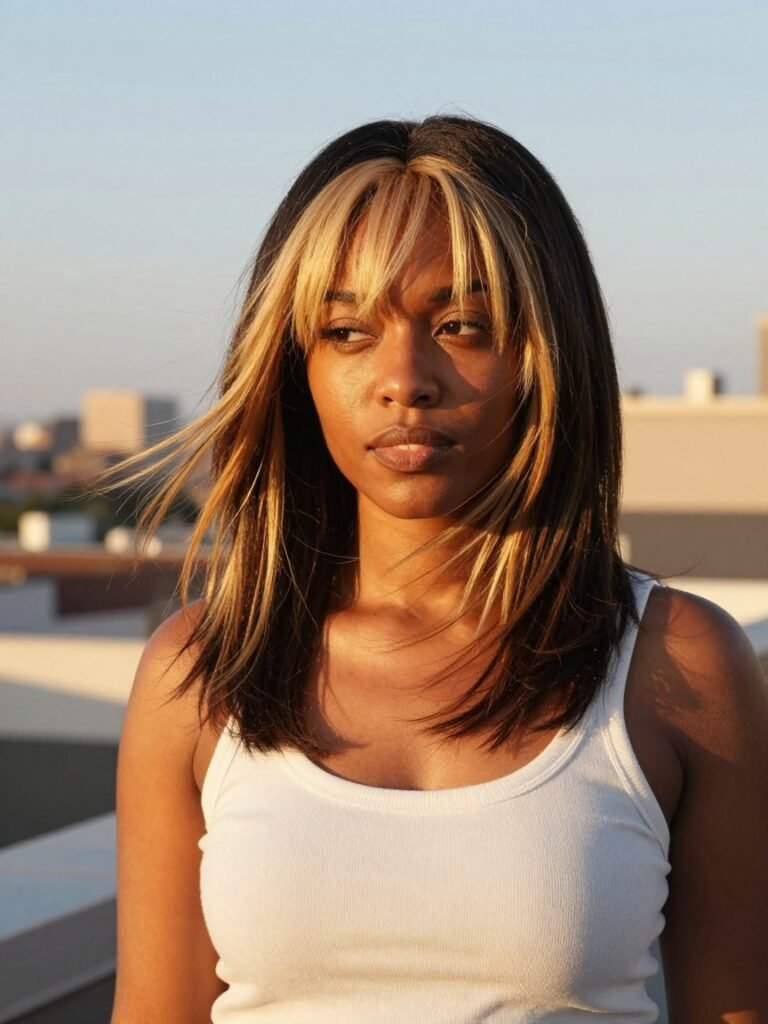
This pairs the layered cut with a single bold, face-framing highlight, usually two to three foils placed right at the front hairline, brightened a few shades lighter than the rest of the hair. It’s a color technique layered on top of the cut rather than a different haircut altogether, and it draws the eye straight to the shortest, most textured pieces.
Placement matters more than shade here. The highlight is meant to sit exactly where the face-framing layers fall, so the color and the cut work together instead of the color looking like an afterthought added separately. Some colorists blend the money piece into a few fine babylights around the rest of the hairline for a softer transition.
Tip
- Ask the colorist to place foils “along the face-framing layers specifically”
- A warm, buttery blonde tends to read the softest against most base colors
- Toning every 8 to 10 weeks keeps the highlight from turning brassy
- Best done alongside the haircut, not scheduled as a separate appointment
- Two to three foils is usually enough; more can look like all-over highlights
Face Shape Match
The brightness framing the face works on any face shape, and it shows up most clearly on medium to dark brown base colors with straight to wavy hair.
11. Soft Shag With A Soft Root Shadow
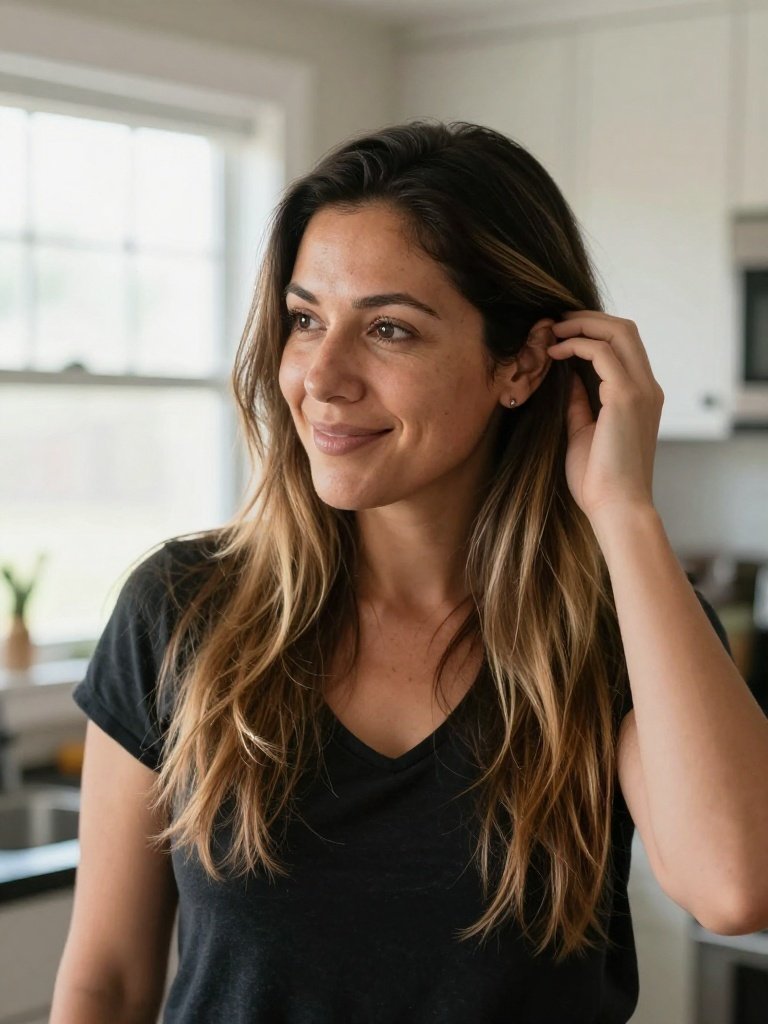
Rather than brightening the ends, this version deepens the root with a shadow root technique, blending a few shades darker at the part and gradually lightening down the length. It’s closely related to a root melt, though a shadow root tends to sit slightly more visible near the part than a fully blended melt. It’s a lower-maintenance color approach that lets the layering, rather than the color, do most of the visual work.
Because the regrowth blends instead of creating a hard line, this pairing genuinely stretches out the time between color appointments compared to all-over color or heavily placed highlights. It’s a practical option for anyone who wants dimension without a strict touch-up schedule.
Tip
- Ask for a “soft shadow root, blended two to three inches down”
- Works especially well on longer layers, where the gradient has room to show
- A gloss treatment every few months keeps the blend looking fresh
- Lower maintenance than highlights, since the regrowth blends rather than shows a line
Face Shape Match
The soft gradient keeps focus on the cut’s shape rather than the color, making it a flexible match for any face shape and most hair textures.
12. Soft Shag With Side-Swept Bangs
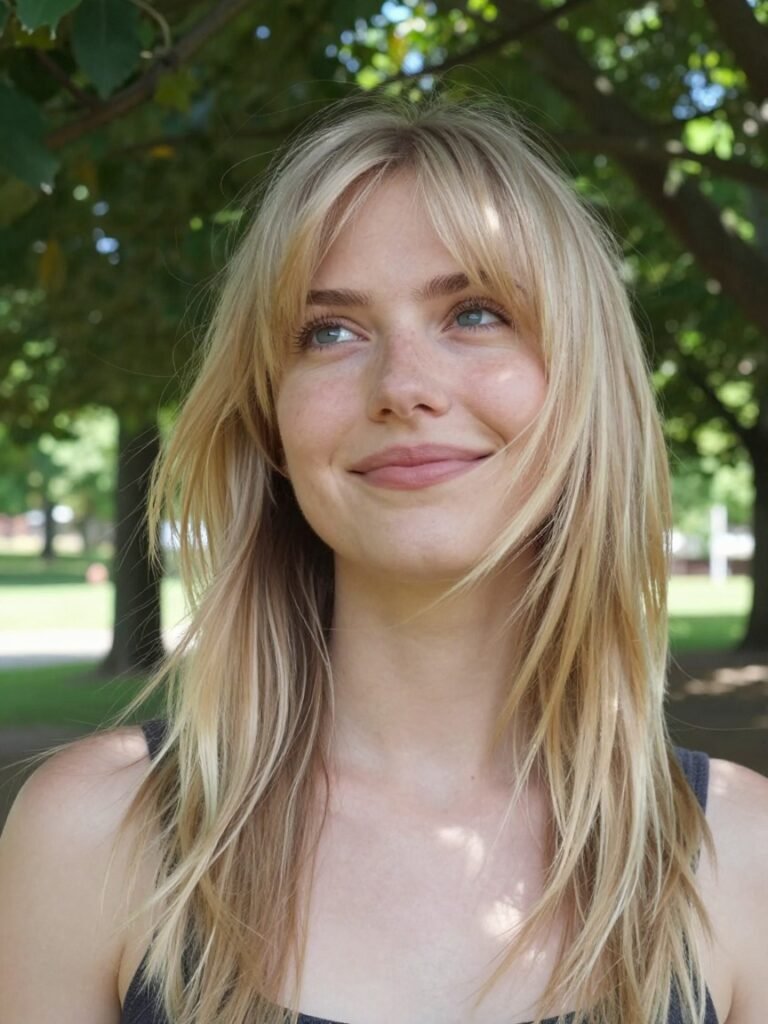
The bangs sweep to one side instead of splitting center, blending into the longer face-framing layers on that side of the part. It works as a softer face-framing fringe for anyone who wants some bang coverage without committing to a full curtain style.
The side sweep also means the styling routine is simpler day to day. A quick pass with a round brush in the direction the bangs already fall is usually enough, without needing to train the part the way center-parted curtain bangs sometimes require.
Tip
- Ask for bangs “swept to match my natural part, not centered”
- Point-cut ends on the bangs keep them soft instead of blunt
- Easier to grow out or pin back than full curtain bangs
Face Shape Match
Side-swept bangs soften a longer forehead or a more angular jawline, making this a strong option for oblong and square face shapes with fine to medium hair.
13. Soft Shag Pixie Hybrid For Cropped Length
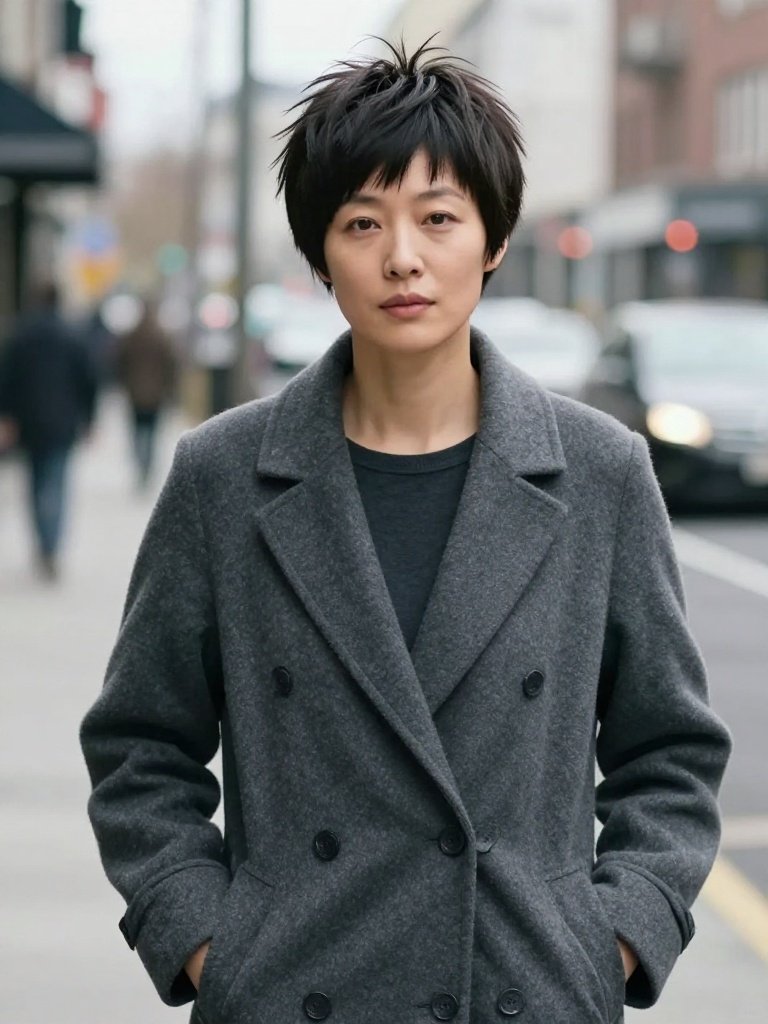
This takes the layering philosophy of a shag and applies it to a much shorter, pixie-length base, with longer, feathered pieces left at the crown and temples instead of the closely cropped sides of a classic pixie. The result sits somewhere between a pixie and a short shag rather than fully committing to either. A razor comb is often used to soften the transition between the pixie base and the longer crown pieces.
This is the shortest, boldest option on this list, and it’s worth being upfront that it requires more frequent trims than any longer version here, often every 4 weeks, to keep the feathered shape from growing out into an awkward in-between stage.
Tip
- Ask for “pixie base with shag layering at the crown and temples,” not a full buzz
- A matte texture paste worked through dry hair brings out individual pieces
- Trims roughly every 4 weeks keep the shape from growing out shapeless
- Best suited to those comfortable with a shorter, lower-styling-time routine
- Growing it out into entry 7’s short crown shape is a natural next step
Face Shape Match
The height at the crown flatters round and square faces especially well, and it works best on fine to medium hair that holds shorter shapes cleanly.
14. Soft Shag With Hand-Painted Balayage
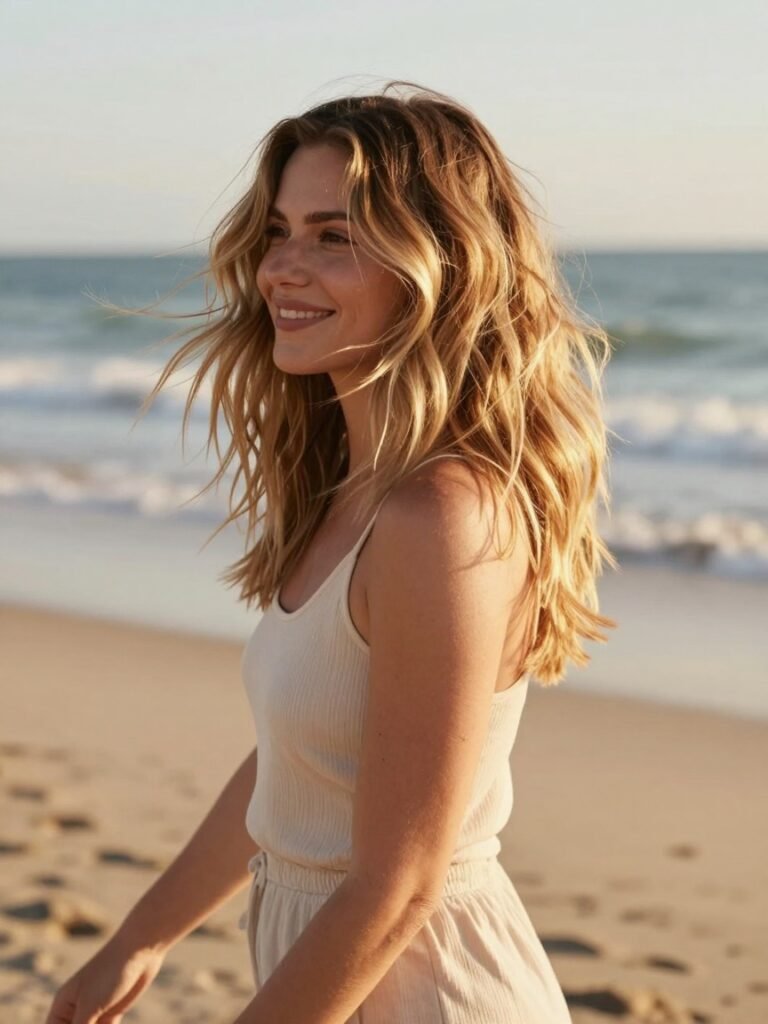
A colorist paints balayage on freehand rather than foiling it in sections, which creates a softer, more gradual transition between the natural base color and the lighter pieces. Paired with the layering, the lighter tones land right where the layers catch the light, making the movement in the cut more visible.
Where this differs from the money piece highlight described earlier is placement and technique. A colorist sweeps balayage broadly through the mid-lengths and ends rather than concentrating it at just a couple of face-framing pieces, giving a more diffused, sun-kissed effect across the whole head. A blow-dry brush run through the ends afterward helps show off that dimension without a full styling routine.
Tip
- Ask for balayage placed “through the layers,” not just at the ends
- A gloss or toning treatment keeps warm tones from turning brassy between visits
- Works on both natural and previously colored hair, though color-treated hair may need a strand test first
- Grows out more softly than foiled highlights, so touch-ups can be spaced further apart
Face Shape Match
The dimensional, sun-kissed color reads well on most face shapes, and it’s especially striking on medium to thick, wavy hair where the layers catch the light.
15. Soft Shag With Blunt Micro Bangs
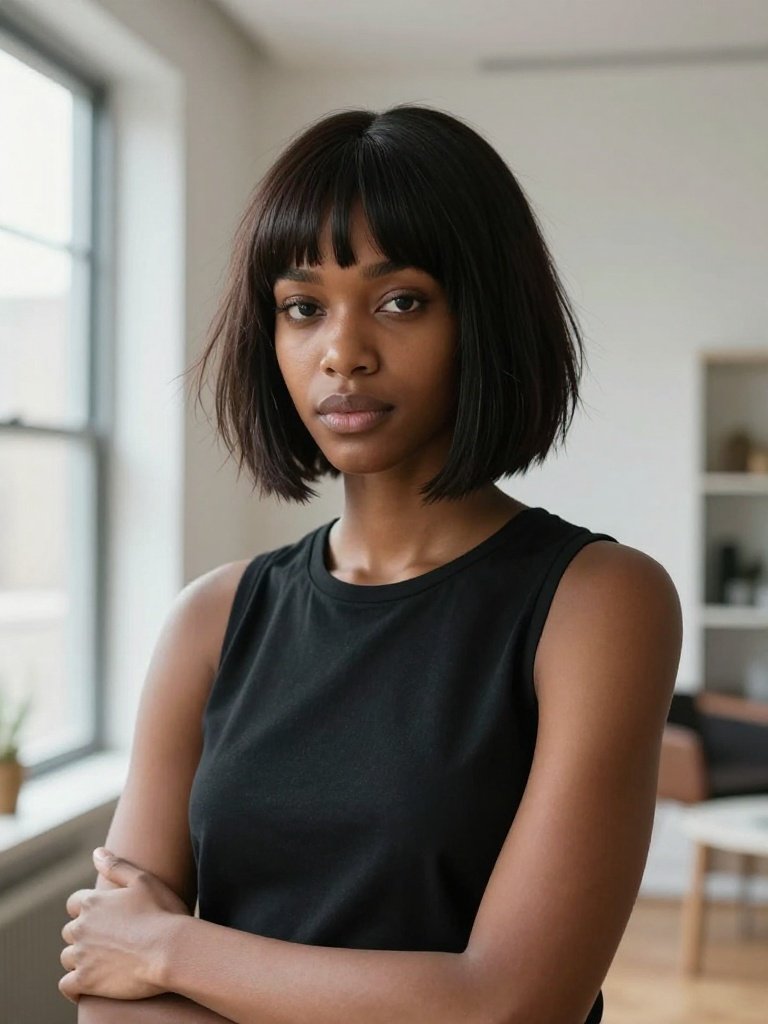
A short break from the wispy, feathered bang styles above, this version pairs the layered cut with a blunt, eyebrow-skimming micro fringe. The contrast between the crisp bang line and the softer, feathered layers everywhere else is the whole point of this combination.
This is a more committed styling choice than curtain or side-swept bangs, since a blunt micro fringe needs regular trimming, often every 2 to 3 weeks, to stay at the right length. Soft, textured ends through the rest of the cut help balance the sharpness of the fringe rather than letting it clash with the rest of the cut.
Tip
- Ask for the fringe “kept blunt, cut separately from the shag layers”
- Style with a flat brush or fingers while blow-drying to keep the line straight
- Trims every 2 to 3 weeks are necessary to maintain the length
Face Shape Match
Micro bangs work best on a longer, oval face with room on the forehead, and they suit straight to slightly wavy hair that holds a crisp line.
16. Soft Shag With Chin-Length Face-Framing Layers
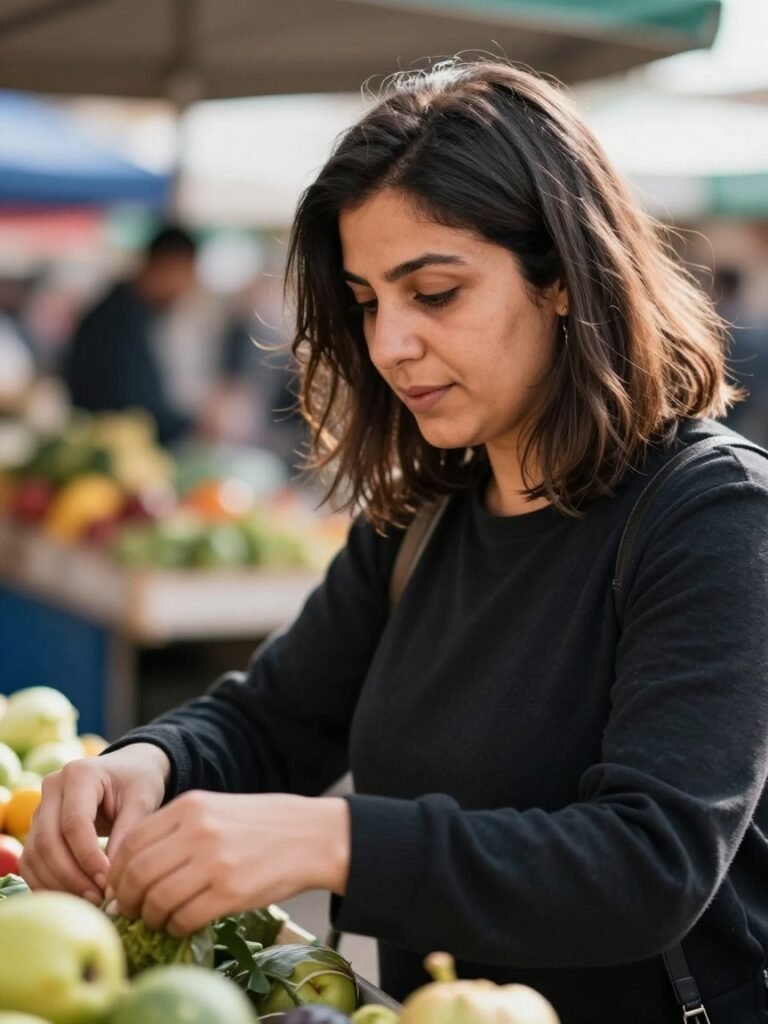
No bangs at all here. Instead, the shortest layers are cut to chin length right at the face, sweeping back into the rest of the style, which frames the face the way bangs would without committing to a fringe. It works as a middle ground between a full curtain fringe and no framing at all, for anyone who’s grown tired of bangs but still wants that face-framing effect.
These layers can be styled forward for a fuller framing effect or swept back and tucked behind the ears when a cleaner look is needed, which gives this version more day-to-day flexibility than most of the bang-based combinations above.
Tip
- Ask for face-framing layers cut “to chin length, no bangs”
- Curl the face-framing pieces inward, toward the cheek, for the softest effect
- Works well tucked behind the ears for a quick, low-effort style change
- A lightweight styling cream keeps the framing pieces from looking flyaway
- A good option for anyone transitioning out of a bang trim
Face Shape Match
Chin-length framing pieces soften a square or angular jawline especially well, and this version suits straight to wavy hair of most densities.
17. Soft Shag With A Deep Side Part And Crown Volume

A deep side part and a round-brush blowout change the shape of this cut without touching the length or the bangs at all. Shifting more hair to one side and lifting the roots at the crown proves how differently the same haircut can look depending purely on how it’s parted and dried.
This is the most styling-dependent entry on this list. Without the deep part and root lift, the cut reads much closer to a standard center-parted shag, so it’s worth practicing the blow-dry technique at home if this is the specific look being aimed for.
Tip
- Ask the stylist to show the blow-dry technique used to lift the crown
- A round brush, lifted at a 90-degree angle at the root, creates the volume
- Deep side parts work best when the layers are cut with the part in mind
- Requires more daily styling effort than air-drying a center part
Face Shape Match
The added crown height and asymmetry flatter a round face particularly well, and it suits medium to thick hair with enough weight to hold a deep part.
Frequently Asked Questions
What’s the difference between a shag and a soft shag?
A traditional shag uses choppier, razor-cut layers with more visible separation. A soft shag softens that same layering with rounder, point-cut ends, so the shape blends together instead of standing apart in obvious chunks.
Does a soft shag work on straight hair?
Yes, though it needs a little styling help. A round brush, a light wave from an iron, or a texturizing spray brings out the layers, since straight hair without any texture can make the layering look flatter than it does on wavy or curly hair.
How often do you need to trim a soft shag?
It depends on the length. Shorter versions with heavy face-framing or crown layering usually need a trim every 4 to 6 weeks, while longer, medium-length versions can often stretch to 8 to 10 weeks between cuts.
Can I get a soft shag if I have thin hair?
Yes, with the right approach. Fewer, more strategic layers and point-cutting instead of thinning shears keep the ends looking fuller rather than sparse, which is the main adjustment a stylist should make for finer hair.
Is a soft shag high maintenance?
It varies by version. A medium-length shag with even layering is fairly low maintenance and often looks good air-dried, while shorter, more heavily feathered versions need more frequent trims and more daily styling to hold their shape.
Final Thoughts
Out of all 17, the medium-length layered version tends to be the easiest starting point for most people, since it delivers the shag’s signature movement without demanding daily styling or frequent trims. The trade-off worth remembering is that the shorter, more dramatic takes, like the wolf cut or the pixie hybrid, look incredible but ask for more upkeep in return. Bring a specific reference photo to the consultation rather than just the words “soft shag,” since the layering technique behind it varies more between stylists than the name suggests.