A septum piercing can create completely different styles depending on the jewelry design, size, material, and overall look you want to achieve. A simple silver hoop can give a clean everyday appearance, while a detailed clicker, gemstone ring, or thicker gauge piece can turn the piercing into a stronger fashion statement.
Choosing the right septum piercing style is not only about selecting jewelry that looks attractive in photos. The best option depends on your personal style, comfort level, daily routine, and how visible you want the piercing to be.
This guide covers 23 septum piercing ideas, including minimalist rings, elegant gold designs, bold statement pieces, unique decorative jewelry, and practical everyday options. Each style explains what makes it different, who it suits best, and what to consider before choosing that design.
What Is a Septum Piercing?
A septum piercing is a nose piercing placed through the thin tissue between the nostrils, commonly known as the septum area. Unlike a nostril piercing that sits on one side of the nose, a septum piercing creates a centered appearance that follows the natural symmetry of the face.
The placement allows people to wear many different types of jewelry, including:
| Jewelry Type | Style Effect |
|---|---|
| Captive bead ring | Classic and traditional appearance |
| Segment clicker | Smooth and seamless modern look |
| Circular barbell | Practical everyday option |
| Charm ring | Decorative and expressive style |
| Thick gauge ring | Bold statement appearance |
The final look depends on several factors, including the ring size, jewelry material, shape, finish, and how it matches your overall appearance.
A smaller ring usually creates a subtle and minimal effect, while a larger or more detailed design naturally becomes the main feature of the face.
How Septum Jewelry Changes Your Overall Look
The same septum piercing placement can create completely different impressions depending on the jewelry chosen. This is why many people focus on the style of the ring rather than only the piercing itself.
A thin gold hoop may create a refined and simple appearance, while a black niobium ring or decorative clicker can create a more alternative and expressive style.
Before choosing a design, consider what type of impression you want:
| Style Preference | Suitable Septum Jewelry |
|---|---|
| Minimal and clean | Thin hoops, simple clickers, small rings |
| Elegant and refined | Gold rings, gemstone clickers, pearl designs |
| Alternative appearance | Black finishes, spikes, geometric designs |
| Bold statement | Thick gauge rings, oversized jewelry |
The best septum jewelry is not always the biggest or most detailed option. It is the design that feels natural with your personal style and works comfortably with your everyday lifestyle.
Best Metals for Septum Piercing Jewelry
The material of septum jewelry affects both appearance and comfort. Different metals create different finishes, and some options are better suited for sensitive skin.
| Material | Why People Choose It |
|---|---|
| Implant-grade titanium | Lightweight, durable, and commonly preferred for sensitive skin |
| Surgical steel | Affordable and widely available |
| Gold | Premium appearance with a warmer finish |
| Niobium | Alternative hypoallergenic metal option |
For a new piercing, jewelry quality matters more than appearance alone. Lower-quality metals or poorly finished jewelry may increase the chance of irritation.
How Much Is a Septum Piercing?
The cost of a septum piercing depends on several factors, including the piercing studio, location, piercer experience, and jewelry material.
Most professional studios charge a separate piercing fee, while the final price increases depending on whether you choose basic jewelry or premium materials such as titanium or gold.
The jewelry choice often creates the biggest price difference. A simple circular barbell is usually more affordable, while gemstone clickers, gold rings, and custom designs can cost significantly more.
How Long Does a Septum Piercing Take to Heal?
A septum piercing healing time varies between individuals because everyone’s body responds differently.
The early healing stage may feel comfortable within several weeks, but complete healing can take longer depending on:
- Individual healing response
- Jewelry quality and material
- Aftercare routine
- Placement accuracy
- Lifestyle habits
Even when the piercing feels better, the inside tissue may still be healing. It is usually better to wait until the piercing has properly settled before changing jewelry styles frequently.
A classic silver captive bead ring is one of the most recognizable septum jewelry styles. It features a smooth circular hoop with a small bead that locks the ring into place, creating a traditional and balanced appearance.
A classic silver captive bead septum ring is one of the most recognizable septum jewelry styles and the design many people imagine when they first think about a septum piercing.
The style features a smooth circular ring with a small bead placed between the two ends, creating a traditional hoop appearance. Its popularity comes from its balance: it is noticeable enough to highlight the piercing but simple enough to work with different fashion styles.
1. Classic Silver Captive Bead Septum Ring
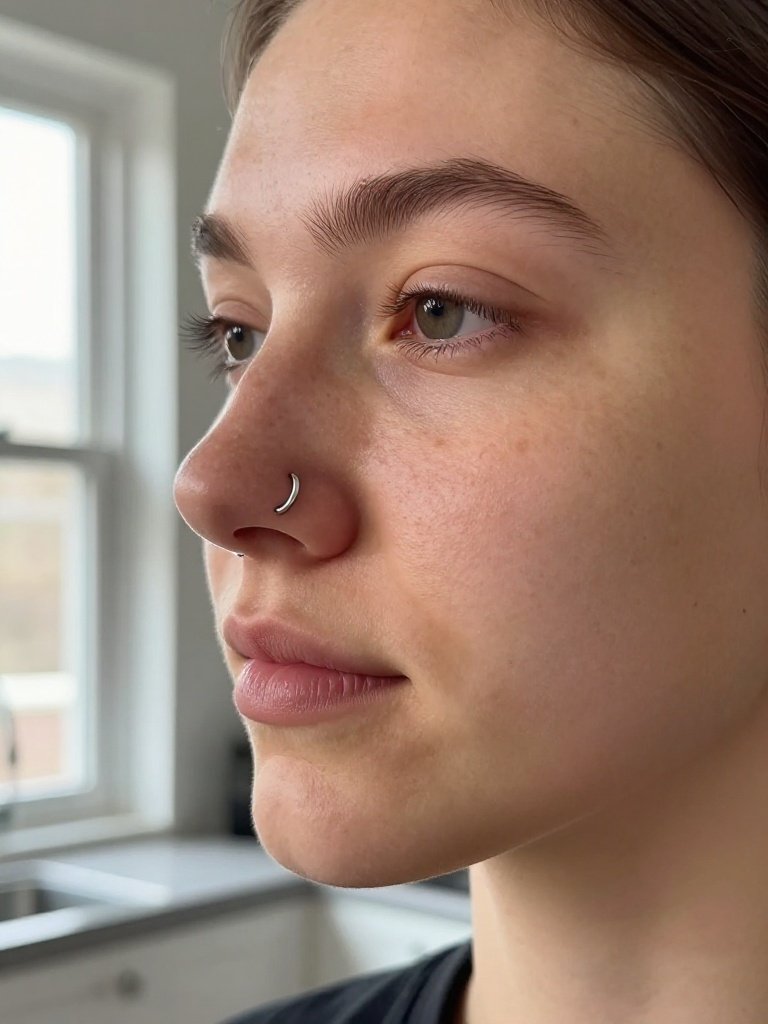
Unlike heavily decorated septum jewelry, this design focuses on the shape of the ring itself. The clean circular form creates a symmetrical appearance that naturally follows the center placement of the septum.
This is a strong choice for someone who wants a classic look without committing to oversized jewelry or detailed designs.
Best Suited For
This style works well for:
- People choosing their first septum jewelry
- Those who prefer timeless and simple designs
- Anyone looking for an everyday septum style
The main advantage of this design is flexibility. It does not depend on a specific fashion trend, which allows it to work with casual, professional, and alternative styles.
Styling Direction
A silver captive bead ring creates a balanced base for other accessories. It pairs naturally with small nostril studs, simple earrings, or other silver jewelry because the design does not compete for attention.
For a minimal appearance, it can be worn alone. For a more complete look, it works well as part of a coordinated facial jewelry setup.
Important Consideration
The captive bead is the defining feature of this design, but it also means changing the jewelry requires more care compared with some hinged styles.
The size of the ring also changes the overall impression. A smaller diameter creates a cleaner and more subtle appearance, while a larger ring creates a more noticeable alternative style.
2. Gold Segment Clicker Septum Ring Paired With Nostril Studs

A gold segment clicker septum ring creates a more polished and jewelry-focused appearance by replacing the traditional bead closure with a smooth circular design.
The clicker mechanism allows the ring to maintain an uninterrupted shape, which gives it a refined appearance. When combined with nostril studs, the septum becomes part of a larger facial jewelry composition rather than a single accessory.
The warm gold finish changes the overall mood of the piercing. Compared with silver jewelry, gold often creates a softer and more elegant visual effect.
This style works especially well for people who want their septum piercing to feel intentional and styled rather than simply added.
Best Suited For
This design is ideal for:
- People who enjoy coordinated facial jewelry
- Those who prefer elegant and refined styles
- Anyone who likes a layered nose jewelry appearance
The combination of septum and nostril jewelry creates more visual balance across the nose area.
Styling Direction
A gold clicker pairs naturally with other warm-toned accessories such as gold earrings or necklaces.
When wearing nostril studs with this style, keeping similar finishes helps the overall look feel connected rather than random.
Important Consideration
The size of the clicker plays an important role in the final appearance. A ring that is too large may overpower smaller nostril jewelry, while a smaller design creates a cleaner and more balanced look.
3. Ornate Silver Boho Charm Septum Ring
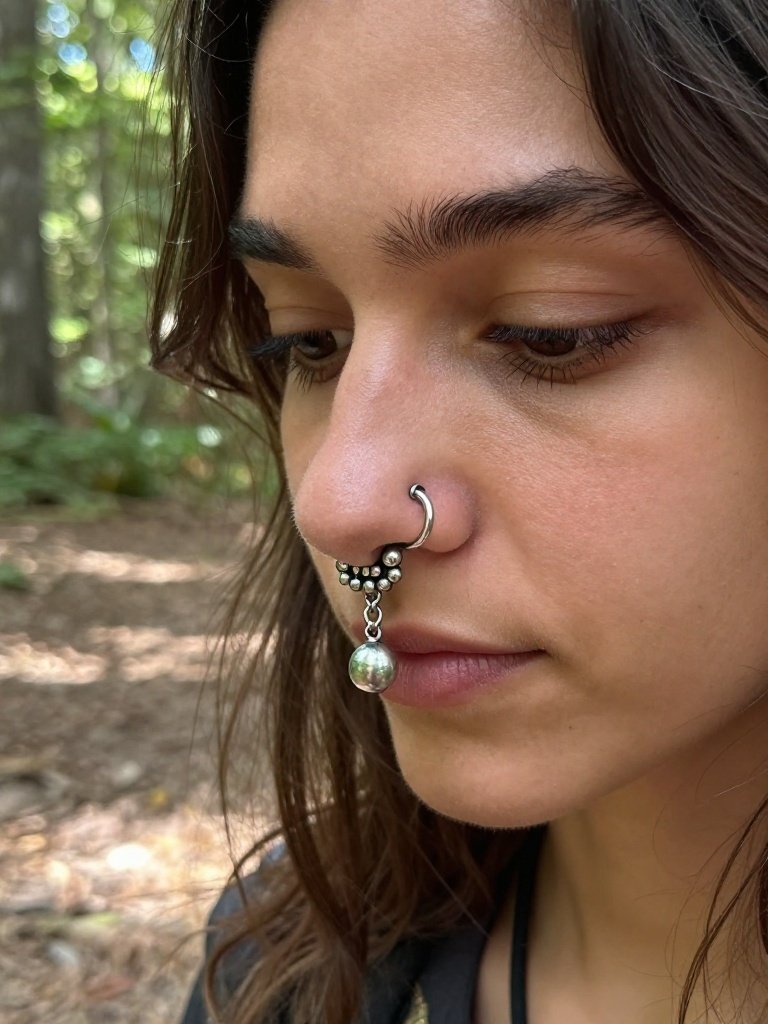
An ornate silver boho charm septum ring moves away from minimal designs and focuses on craftsmanship, texture, and decorative details.
This style often includes engraved patterns, small charms, beads, or hanging elements that create a more artistic appearance. Instead of allowing the ring shape to be the only feature, the jewelry itself becomes the main attraction.
The detailed design gives this septum style a vintage and bohemian character. It feels less like a simple accessory and more like a statement jewelry piece.
Unlike basic hoops, this option is chosen by people who want their piercing to reflect creativity and individuality.
Best Suited For
This style fits:
- Bohemian fashion preferences
- People who enjoy handcrafted jewelry
- Those looking for a statement septum appearance
It works especially well when the rest of the outfit supports the artistic feel of the jewelry.
Styling Direction
Because the ring already contains multiple details, it usually looks best when paired with simpler accessories.
A small nostril stud or minimal earrings can support the style without competing with the decorative septum piece.
Important Consideration
The weight and size of decorative elements can affect comfort. A detailed ring may look attractive but should still match the wearer’s preferred level of visibility and everyday routine.
4. Delicate Gold Drop Charm Septum Ring

A delicate gold drop charm septum ring creates a softer and more elegant alternative to larger decorative septum designs.
Instead of using heavy ornaments, this style adds small hanging details that create movement while keeping the overall appearance lightweight.
The charm element gives the ring more personality than a plain hoop, but the smaller scale keeps it from becoming overwhelming.
This design sits between minimal and statement jewelry, making it a popular choice for people who want something unique without a bold appearance.
Best Suited For
This style works well for:
- People who prefer elegant details
- Minimal jewelry lovers wanting something different
- Soft and refined fashion styles
Styling Direction
The warm tone of gold works beautifully with delicate accessories. It pairs naturally with thin necklaces, small earrings, and other fine jewelry.
The design is strongest when the charm remains the highlight rather than being surrounded by many competing pieces.
Important Consideration
Because of the hanging detail, the charm shape and size influence how practical the ring feels for everyday wear.
A smaller charm creates a subtle effect, while a larger drop creates a stronger statement.
See Also: 16 Snake Eyes Piercing Ideas
5. Thin Gold Hinged Septum Ring
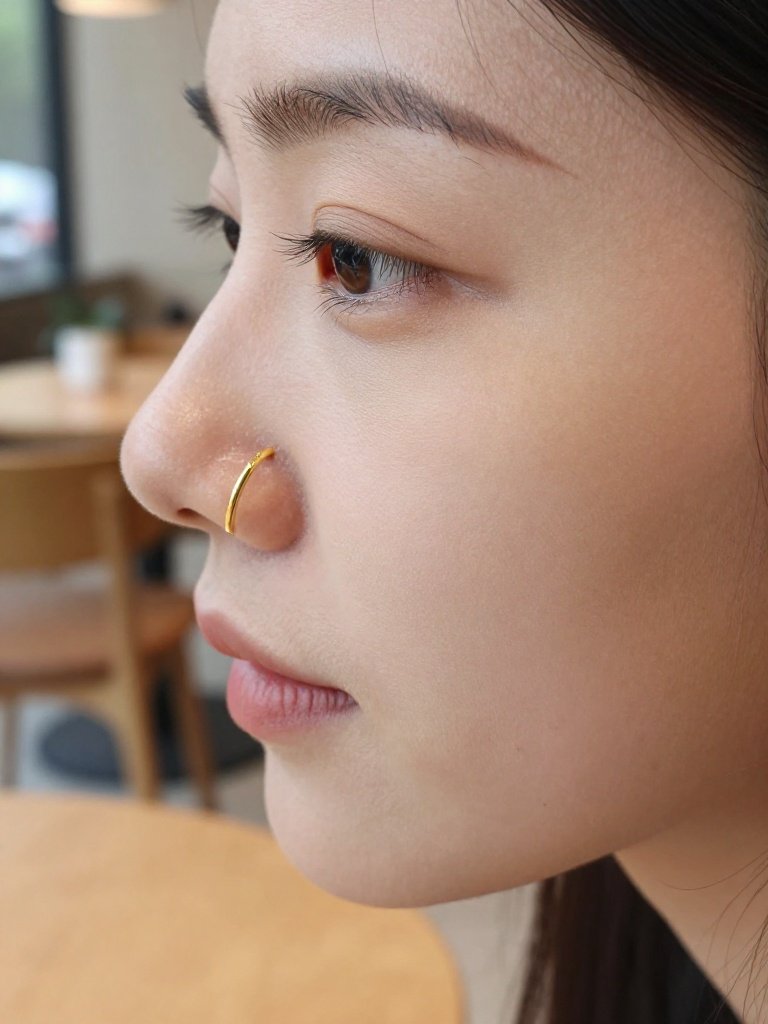
A thin gold hinged septum ring focuses on simplicity, clean lines, and effortless styling.
Unlike rings with visible beads or decorative ends, this design creates a smooth circular appearance that allows the jewelry to blend naturally with the face.
The hidden closure gives the impression of a continuous circle, making it one of the most refined options for people who prefer understated jewelry.
This style proves that a septum piercing does not need additional decoration to create a stylish appearance.
Best Suited For
This design is suitable for:
- Minimal fashion styles
- Everyday septum wear
- People who prefer subtle facial jewelry
Styling Direction
The simple gold circle works well alone or alongside other minimal accessories.
It is especially effective for people who want their septum piercing to add personality while keeping the overall appearance clean.
Important Consideration
The quality of the hinge mechanism matters because it affects how securely and comfortably the ring functions over time.
A well-fitted ring should feel natural and match the wearer’s preferred level of visibility.
A horseshoe circular barbell with flat disc ends offers a structured and modern alternative to traditional septum hoops. Instead of creating a complete circle, this design uses a curved bar with an opening at the bottom and decorative ends that complete the look.
The flat disc ends are what make this style different. Compared with traditional ball-ended circular barbells, discs create a cleaner and more geometric appearance. The design feels more intentional and slightly more architectural while still keeping the recognizable septum horseshoe shape.
6. Horseshoe Circular Barbell Septum Ring With Flat Disc Ends
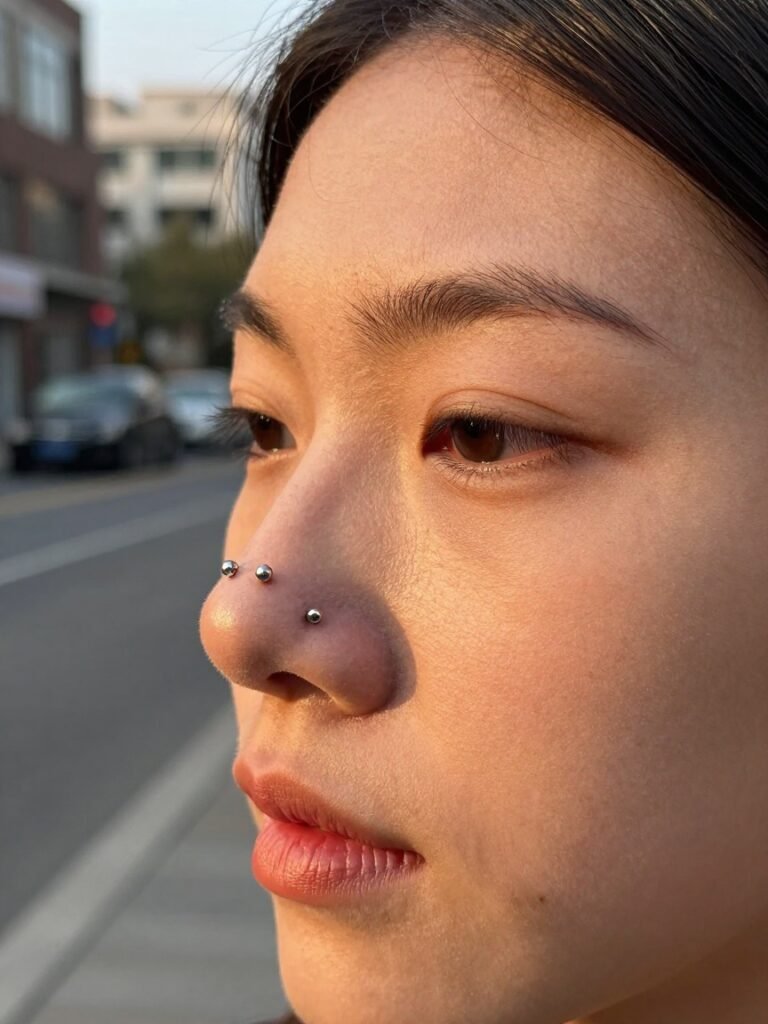
This style is popular because it balances practicality and appearance. It provides the classic septum look while adding a more contemporary detail.
Best Suited For
This design works well for:
- People who prefer clean and structured jewelry
- Those who want a classic septum style with a modern update
- Everyday wearers who prefer practical designs
The flat ends make this a good option for someone who wants visible jewelry without excessive decoration.
Styling Direction
This style pairs naturally with minimal and geometric jewelry. Small nostril studs, simple earrings, or other clean-lined accessories can complement the structured appearance.
A matte finish can create a modern alternative look, while polished silver or gold creates a more traditional appearance.
Important Consideration
The size of the disc ends changes the overall effect. Smaller discs keep the style subtle, while larger ends make the septum piercing more noticeable.
The design should also feel comfortable for daily wear because the ends sit close to the skin.
7. Matte Black Niobium Septum Ring
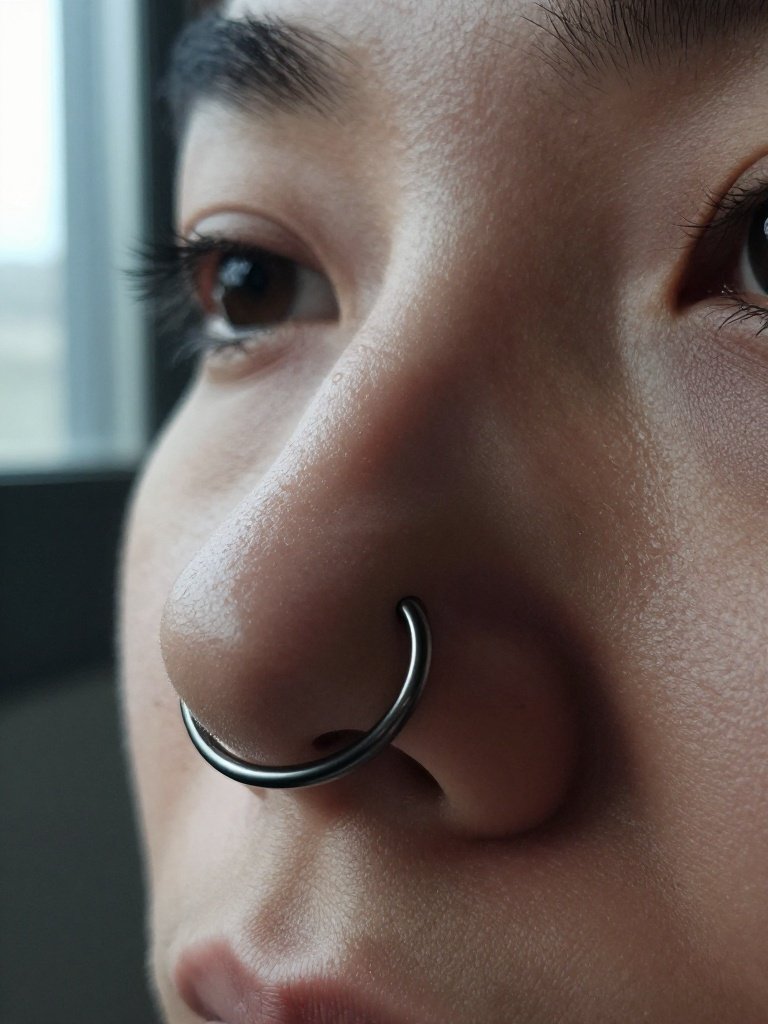
A matte black niobium septum ring creates a completely different mood compared with traditional silver or gold jewelry.
The dark finish gives the piercing a stronger alternative appearance while keeping the overall shape simple. Unlike shiny metals that reflect light, matte black jewelry creates a softer and more understated visual effect.
This style proves that the personality of a septum piercing is not only determined by its shape. The finish of the material can completely change how the jewelry feels.
Best Suited For
This style is ideal for:
- Alternative fashion lovers
- People who prefer darker jewelry tones
- Minimal styles with a stronger visual identity
It works especially well for someone who wants their septum piercing to feel distinctive without choosing a large or decorative design.
Styling Direction
Matte black jewelry looks strongest when paired with other dark accessories, black clothing, or minimal alternative fashion.
It can also create an interesting contrast when combined with lighter clothing because the dark finish becomes the main visual feature.
Important Consideration
The quality of the finish is important with black jewelry. Lower-quality finishes may lose their appearance over time, so choosing durable materials is an important part of the decision.
8. Curved Faux Tusk Septum Jewelry

A curved faux tusk septum design creates one of the most recognizable statement looks in septum jewelry.
Instead of following the traditional circular shape, this style curves outward from the septum area, creating a horn-like silhouette. The shape immediately changes the appearance of the face and makes the jewelry the main focus.
Unlike simple rings that blend with the overall appearance, faux tusk jewelry is designed to stand out. It represents a stronger personal style and is often chosen by people who prefer unconventional fashion.
Best Suited For
This design works best for:
- People who enjoy bold alternative styles
- Those looking for distinctive facial jewelry
- Fashion choices built around statement accessories
It is especially suitable for someone who wants the septum piercing to become a major part of their appearance.
Styling Direction
Because the shape itself creates a strong visual effect, this design usually works best when paired with simpler jewelry.
Keeping other facial accessories minimal allows the curved silhouette to remain the main attraction.
Important Consideration
This style requires more thought before choosing because it creates a permanent-looking visual statement.
The size and curve should match personal comfort and overall style preferences rather than simply copying a reference image.
9. Double-Stacked Septum Rings
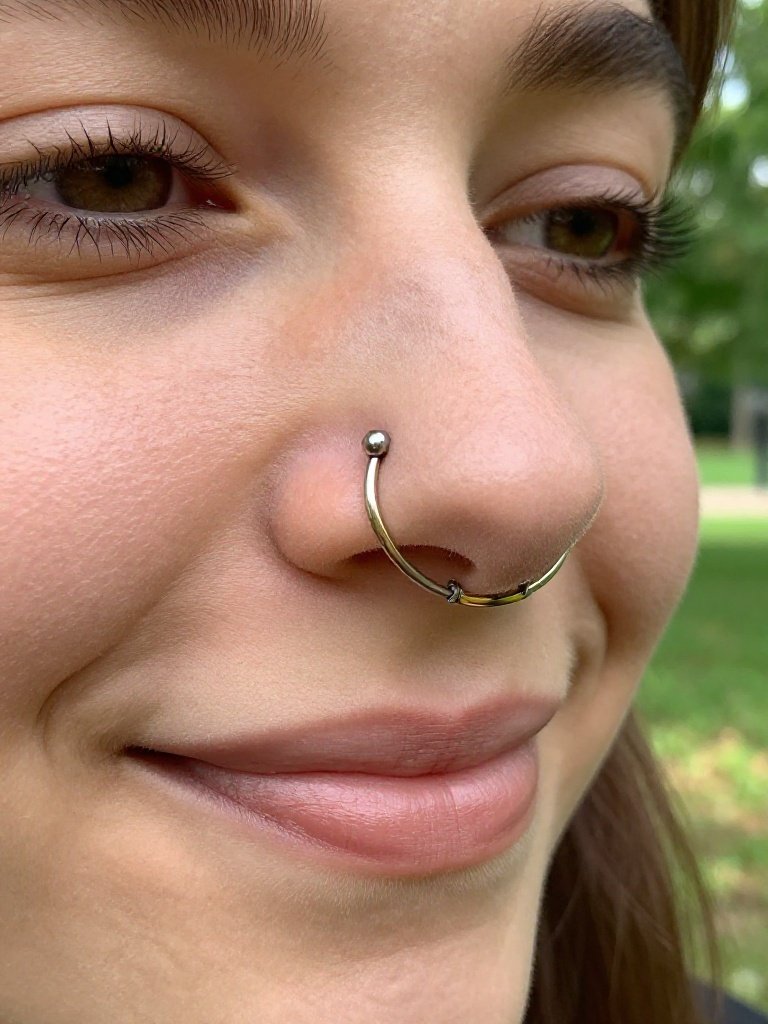
A double-stacked septum ring creates a layered appearance by wearing two separate rings together in the same piercing.
Instead of depending on one large piece of jewelry, this style creates depth through combination. Two thin matching rings can create a clean and balanced look, while different colors or sizes can create a more customized appearance.
The appeal of this style comes from flexibility. It allows someone to experiment with their septum look without choosing extremely large or decorative jewelry.
Best Suited For
This design is suitable for:
- People who enjoy layered jewelry
- Those who prefer customized styles
- Wearers who already have an established septum piercing
It works especially well for people who want more detail while maintaining a relatively simple appearance.
Styling Direction
Matching rings create a polished and symmetrical effect, while mixed metals create a more creative and fashion-focused appearance.
The combination should feel intentional. Too many differences in size or finish can make the look appear unbalanced.
Important Consideration
Not every septum piercing has enough space for multiple rings. The jewelry size and existing piercing setup should be considered before creating this layered style.
10. Opal-Set Gold Septum Clicker
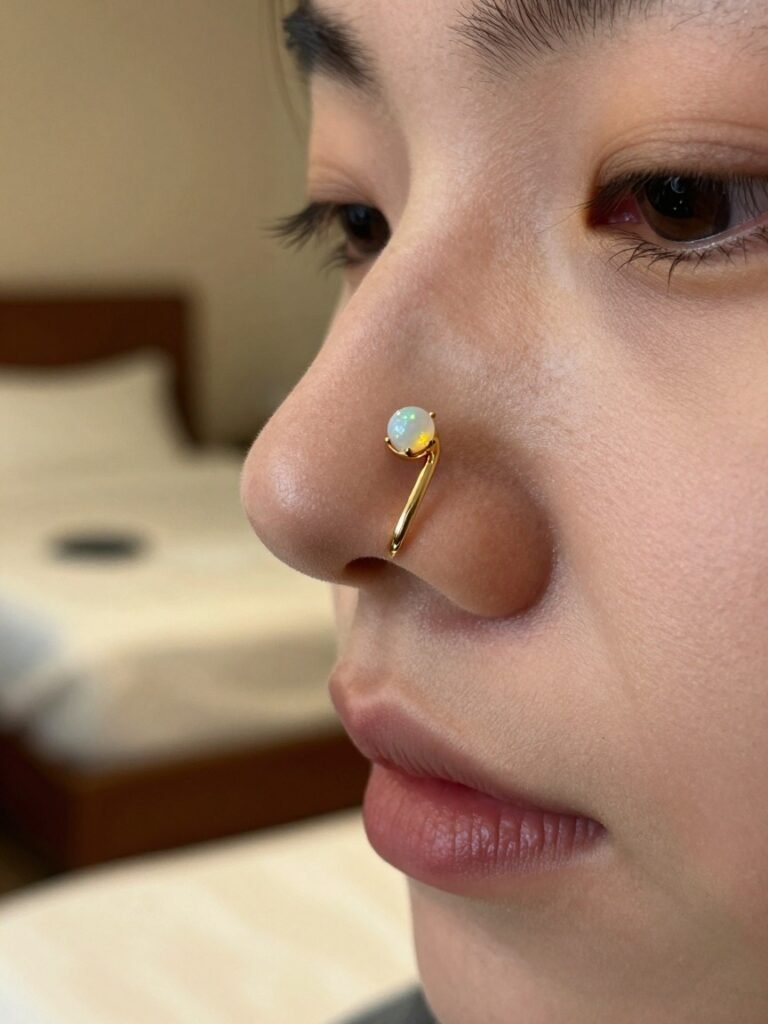
An opal-set gold septum clicker combines elegant gold tones with the soft color reflection of an opal stone.
Unlike plain metal rings, this style changes slightly depending on lighting, creating a subtle shimmer effect. The stone adds detail without making the jewelry appear heavy or oversized.
This design is often chosen by people who want their septum piercing to feel closer to fine jewelry rather than traditional alternative piercing styles.
Best Suited For
This style works well for:
- Elegant fashion preferences
- People who like gemstone details
- Those wanting a refined septum appearance
It is a strong choice for someone who wants decoration but prefers a sophisticated look.
Styling Direction
Gold and opal work beautifully with warm-toned accessories. Simple jewelry combinations allow the stone detail to remain the main focus.
This style can create a balanced look when paired with small earrings or other subtle facial jewelry.
Important Consideration
Stone-set jewelry requires more attention than plain metal rings because the setting and stone detail can be more delicate.
Choosing a well-made design helps maintain the appearance of the piece over time.
11. Septum-to-Nostril Chain Piece
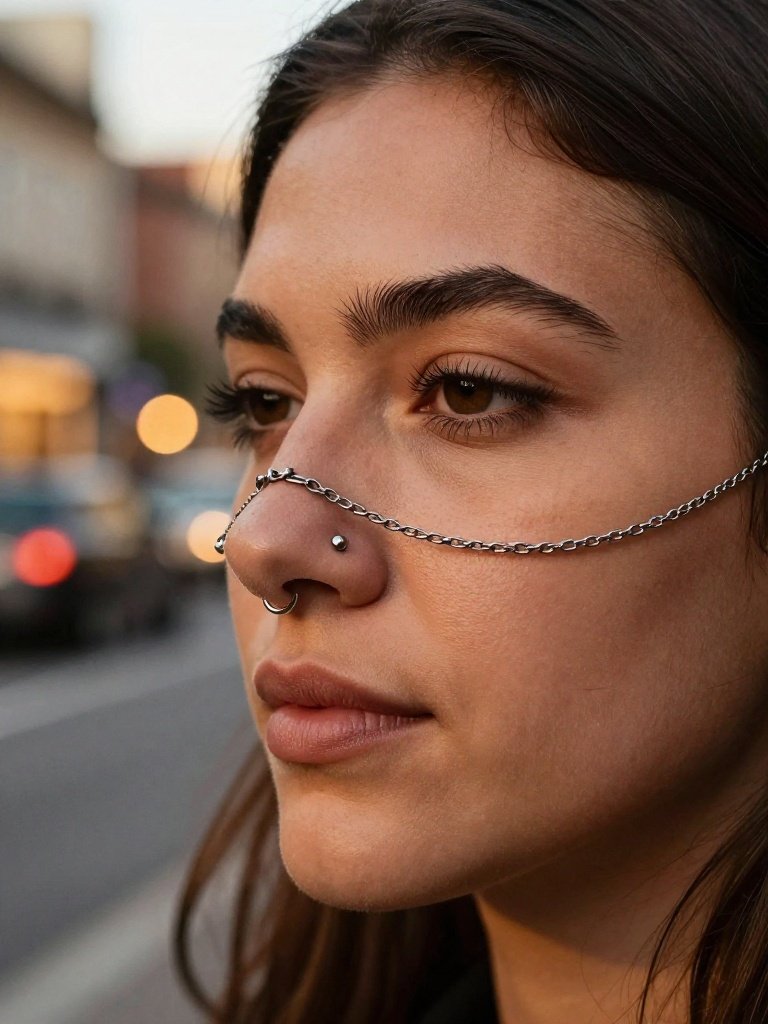
A septum-to-nostril chain piece connects the septum ring with a nostril piercing through a decorative chain, creating a connected jewelry design across the nose.
Unlike traditional septum styles that focus only on the center of the face, this option creates movement and connects multiple piercing placements into one composition.
This is a more expressive styling choice because the chain becomes part of the overall facial aesthetic.
Best Suited For
This style is ideal for:
- People with existing nose piercings
- Alternative and creative fashion styles
- Those who enjoy unique jewelry combinations
Styling Direction
Since the chain already creates a strong visual feature, keeping other jewelry simple usually creates a cleaner result.
A delicate chain often looks more balanced than an oversized design because the nose area is naturally a small space.
Important Consideration
The placement of both piercings affects how this style sits. A properly fitted chain should follow the natural shape of the face without appearing forced or uneven.
12. Hammered-Texture Silver Septum Ring
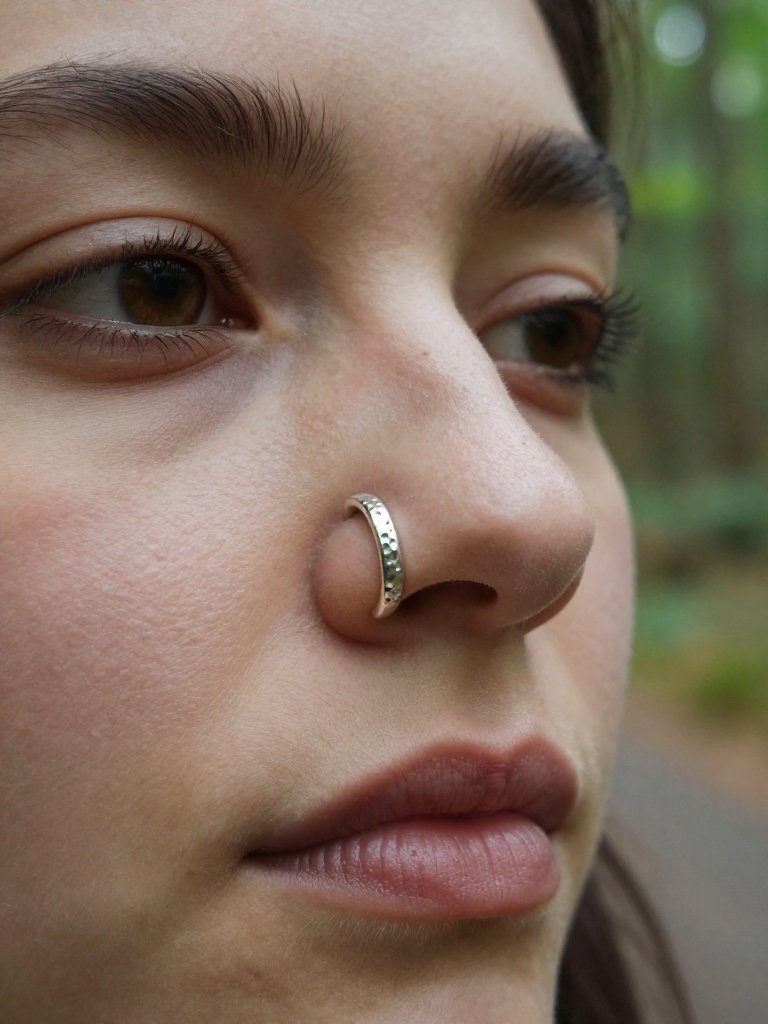
A hammered-texture silver septum ring creates uniqueness through surface detail rather than additional decorations.
Instead of a completely smooth finish, the ring contains small textured areas that reflect light differently. This creates a handcrafted appearance that feels artistic while maintaining a simple circular shape.
This style sits between minimal and statement jewelry because the design is noticeable but not overwhelming.
Best Suited For
This style suits:
- People who enjoy handcrafted jewelry
- Minimalists who want extra detail
- Vintage-inspired fashion lovers
Styling Direction
The textured finish works well with other silver accessories, especially pieces that have similar handmade or natural designs.
It can also create contrast when paired with smoother jewelry.
Important Consideration
The texture is the main feature of this design, so excessive additional decoration may reduce its visual impact.
A balanced approach usually creates the strongest result.
13. Turquoise Stone Septum Ring
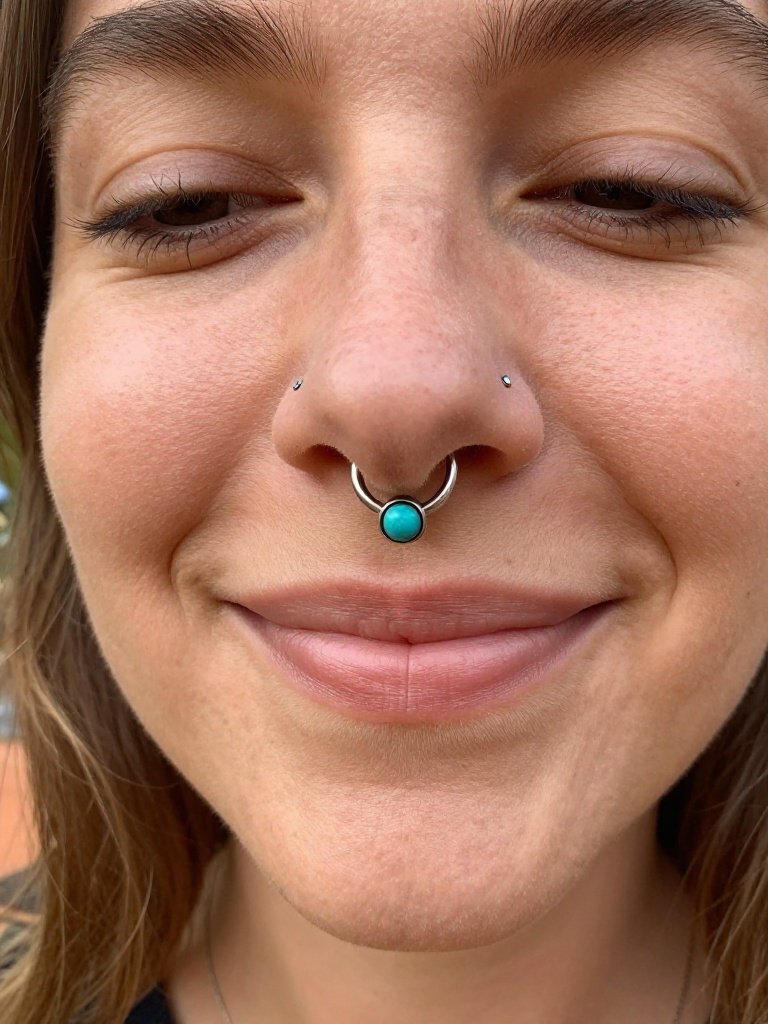
A turquoise stone septum ring introduces natural color and artistic detail into septum jewelry. Instead of relying only on metal finishes, this design uses the blue-green tone of turquoise to create a warmer and more expressive appearance.
Compared with simple silver or gold rings, this style feels more handcrafted. The stone becomes the central feature, giving the piercing a vintage, earthy, and creative character.
This design is especially popular among people who want their septum jewelry to feel personal rather than following a standard minimalist trend.
Best Suited For
This style works well for:
- People who enjoy colorful jewelry
- Bohemian and vintage-inspired fashion lovers
- Those who want a natural stone detail instead of plain metal
It is a strong choice for someone who wants the septum piercing to add personality without relying on a very large design.
Styling Direction
Turquoise works naturally with silver jewelry, warm clothing tones, and other earthy accessories.
Because the stone already provides a strong visual element, pairing it with simple jewelry usually creates a more balanced appearance.
Important Consideration
Stone jewelry has different characteristics compared with plain metal designs. The quality, setting, and durability of the stone should be considered before choosing it as an everyday piece.
14. Two-Tone Mixed Metal Septum Ring

A two-tone mixed metal septum ring combines different metal colors in one design, creating a style that does not follow the traditional rule of choosing only gold or only silver.
This design is popular because it solves a common styling challenge. Many people already wear different jewelry tones, and a mixed-metal septum ring allows the piercing to connect with both styles.
The contrast between metals creates a more collected and fashion-focused appearance.
Best Suited For
This design is ideal for:
- People who wear both gold and silver accessories
- Modern fashion styles
- Those who prefer unique combinations over traditional matching
Styling Direction
A mixed-metal ring works best when the rest of the accessories support the same idea.
For example, combining gold earrings with silver chains can create a coordinated appearance rather than a mismatched one.
Important Consideration
Not all mixed-metal jewelry uses the same quality materials. The construction and finish of the piece are important because lower-quality coatings may change appearance over time.
15. Tiny Star Charm Cluster Septum Ring
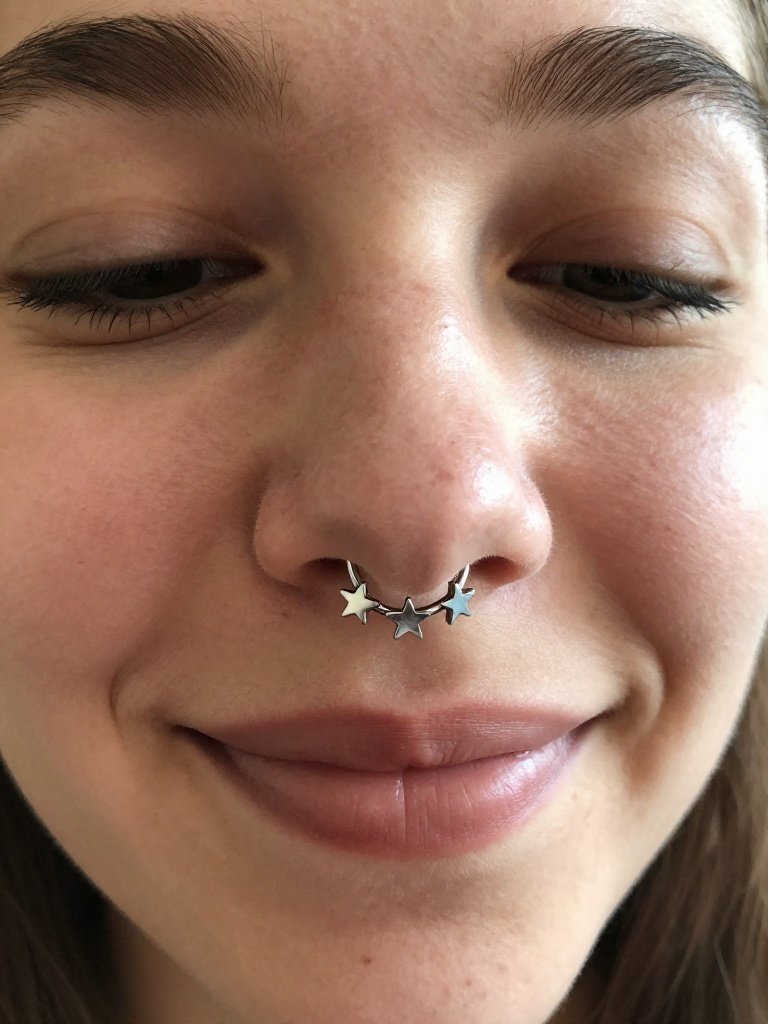
A tiny star charm cluster septum ring adds personality through small decorative details placed along the lower part of the jewelry.
Unlike large hanging charms, this design keeps the decoration close to the ring itself. The result is playful and creative without becoming too heavy or dramatic.
The star details create a softer statement, making this style different from bold alternative septum jewelry.
Best Suited For
This style suits:
- People who enjoy playful jewelry
- Creative and expressive fashion styles
- Those who want decoration without a large statement piece
Styling Direction
Because the stars already add visual detail, this style works best with simple earrings or minimal facial jewelry.
A balanced approach keeps the design looking intentional rather than crowded.
Important Consideration
Small decorative elements should be well made and securely attached. Poor-quality charms may affect durability and the overall appearance of the jewelry.
16. Snake-Coil Septum Ring
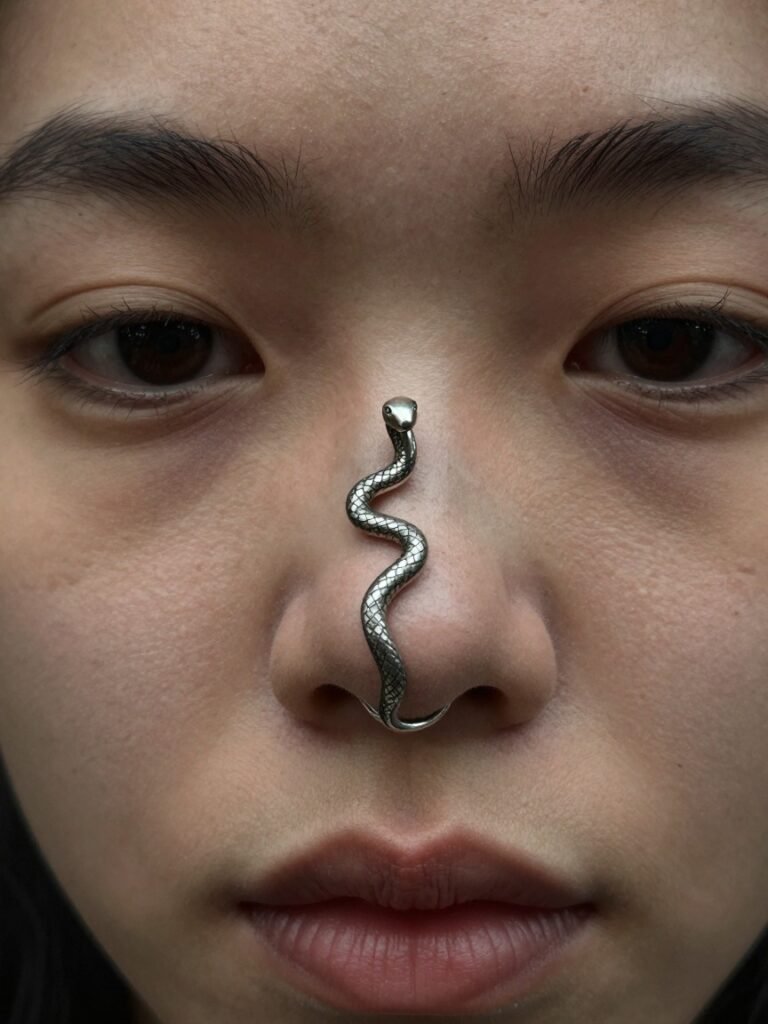
A snake-coil septum ring creates a distinctive look through twisting shapes and detailed patterns inspired by snake forms.
Unlike traditional circular rings, this design focuses on symbolism and artistic expression. The texture and shape give the jewelry a stronger identity, making it immediately noticeable.
This style is often chosen by people who want their septum piercing to represent creativity and individuality.
Best Suited For
This design works well for:
- Alternative fashion lovers
- People who prefer symbolic jewelry
- Those looking for a unique statement piece
Styling Direction
A snake-coil ring usually works best as the main facial jewelry feature. Keeping other nose accessories simple allows the design to remain the focus.
Dark finishes or antique-style metals often enhance the detailed shape.
Important Consideration
Detailed jewelry should be selected carefully. The quality of the design determines whether the snake pattern looks refined or unclear.
17. Thick Gauge Bull Ring Septum
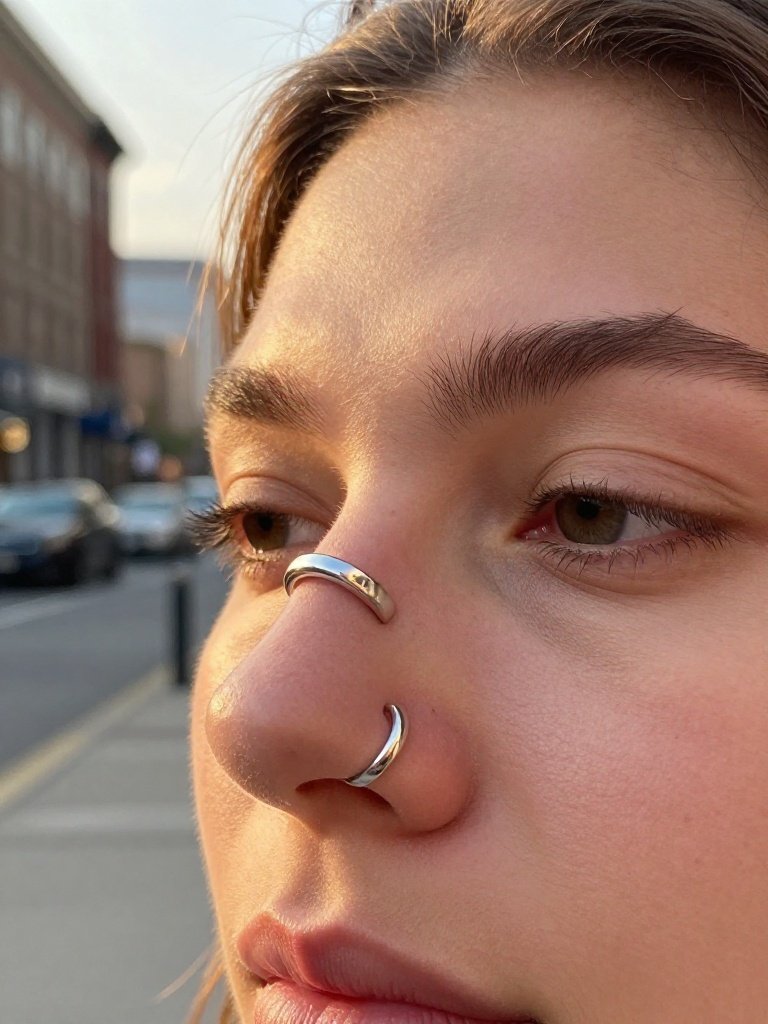
A thick gauge bull ring septum creates one of the boldest appearances in septum jewelry.
The larger size gives the piercing more visual weight and transforms it from a small accessory into a major part of the overall appearance.
Unlike thin hoops that create a subtle effect, this style is designed to be noticed immediately.
Best Suited For
This style is suitable for:
- People with bold personal styles
- Alternative fashion enthusiasts
- Those who want a strong facial jewelry statement
Styling Direction
A thick septum ring usually works best on its own because the jewelry already creates a powerful focal point.
Simple clothing and minimal additional facial jewelry can help maintain balance.
Important Consideration
A thicker gauge represents a bigger commitment compared with standard rings. The style should be chosen carefully because size changes require patience and proper planning.
18. Vintage Engraved Silver Septum Ring
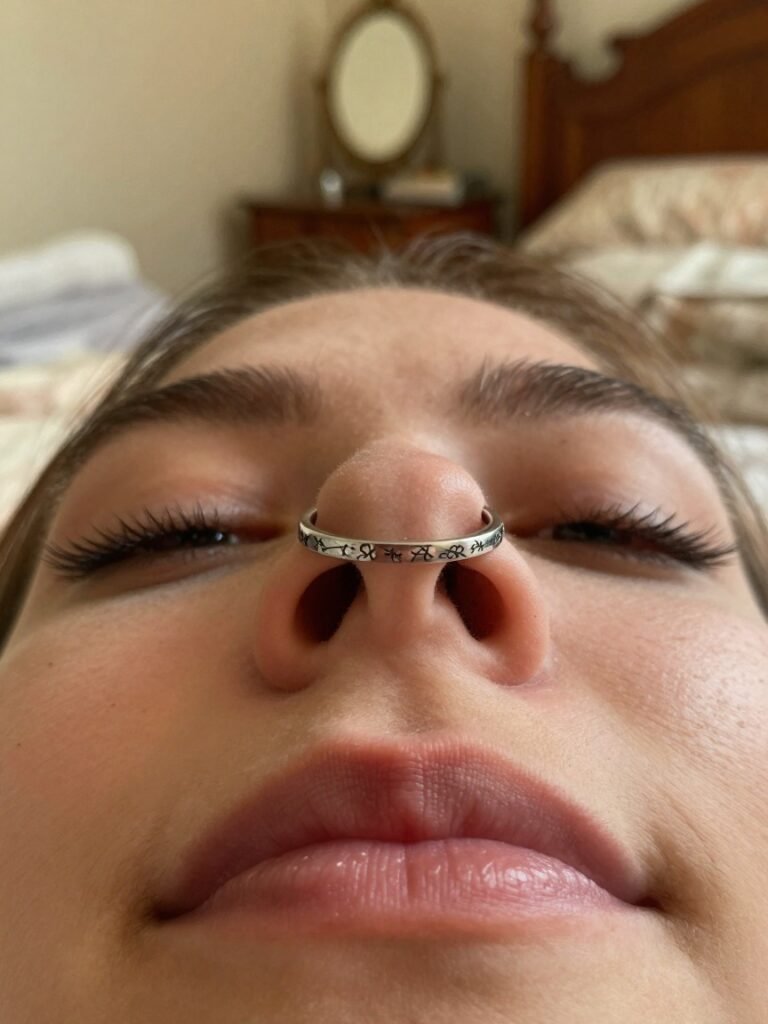
A vintage engraved silver septum ring focuses on craftsmanship and detailed patterns rather than size or bright decoration.
The engraved surface creates depth by adding fine lines and traditional-inspired designs to the metal. This gives the jewelry an antique and handcrafted appearance.
It is a style that rewards closer attention because the details become more noticeable when viewed up close.
Best Suited For
This design is ideal for:
- Vintage style lovers
- People who appreciate detailed craftsmanship
- Those who prefer classic jewelry designs
Styling Direction
Engraved silver pairs naturally with other vintage-inspired accessories.
It works especially well when the overall style includes traditional textures rather than modern, highly polished pieces.
Important Consideration
Detailed engraving requires careful handling because harsh cleaning methods may affect the finish and reduce the clarity of the pattern.
19. Hidden Flip-Up Septum Ring
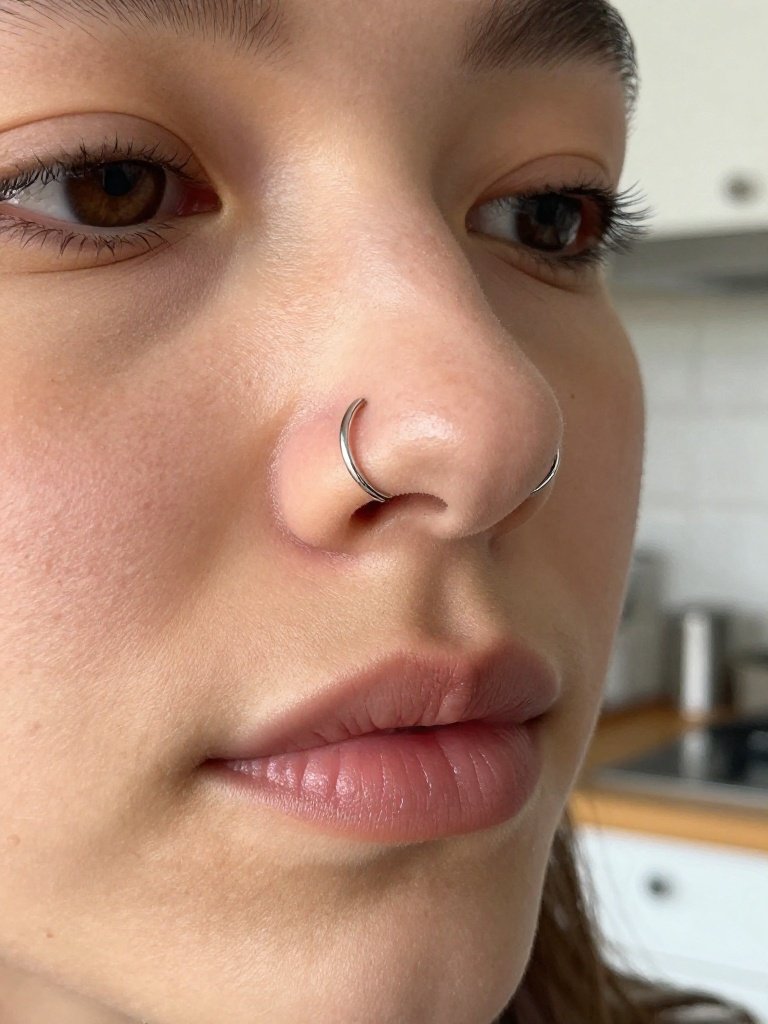
A hidden flip-up septum ring focuses on flexibility rather than decoration.
The main purpose of this style is allowing the wearer to enjoy a septum piercing while maintaining the option of a more discreet appearance when needed.
This makes it different from other jewelry designs because the key feature is adaptability.
Best Suited For
This style works well for:
- People who need a discreet option
- Professionals with changing environments
- Those who prefer flexible styling choices
Styling Direction
This design allows two different looks. It can be visible as facial jewelry or adjusted for a more hidden appearance.
That flexibility makes it one of the most practical septum options.
Important Consideration
The ability to hide the jewelry depends on the specific design and personal comfort. The piece should fit naturally rather than creating unnecessary movement.
20. Rose Gold Minimalist Septum Ring

A rose gold minimalist septum ring creates a softer alternative to traditional silver and yellow gold styles.
The warm pink tone adds personality while keeping the clean circular shape that makes minimalist jewelry popular.
This design proves that even a simple ring can feel unique when the finish changes.
Best Suited For
This style suits:
- Minimal fashion lovers
- People who prefer warm jewelry tones
- Elegant everyday looks
Styling Direction
Rose gold works well with soft colors, neutral clothing, and other warm accessories.
The simplicity of the design allows it to blend easily with different personal styles.
Important Consideration
The quality of the rose gold finish matters because some lower-quality versions may lose their color faster with regular wear.
21. Geometric Triangle-End Septum Barbell
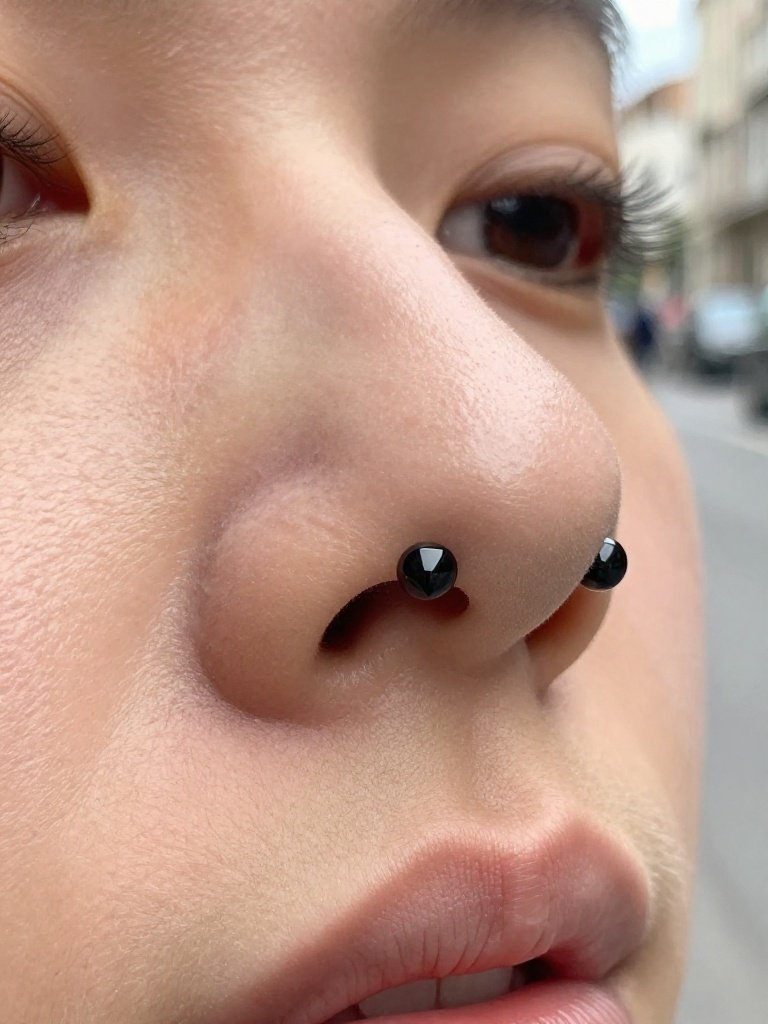
A geometric triangle-end septum barbell replaces traditional rounded ends with sharp, structured shapes.
The triangle details create a modern and architectural appearance, making this design different from the softer curves usually associated with septum jewelry.
This style focuses on shape and clean lines rather than decoration.
Best Suited For
This design works well for:
- Modern fashion styles
- People who enjoy geometric designs
- Minimal alternative aesthetics
Styling Direction
Angular jewelry works best when paired with other structured accessories.
Simple geometric earrings or clean clothing styles can strengthen the overall look.
Important Consideration
The edges and finish of geometric jewelry are important. The design should maintain a stylish appearance while remaining comfortable for everyday wear.
22. Pearl Drop Septum Ring
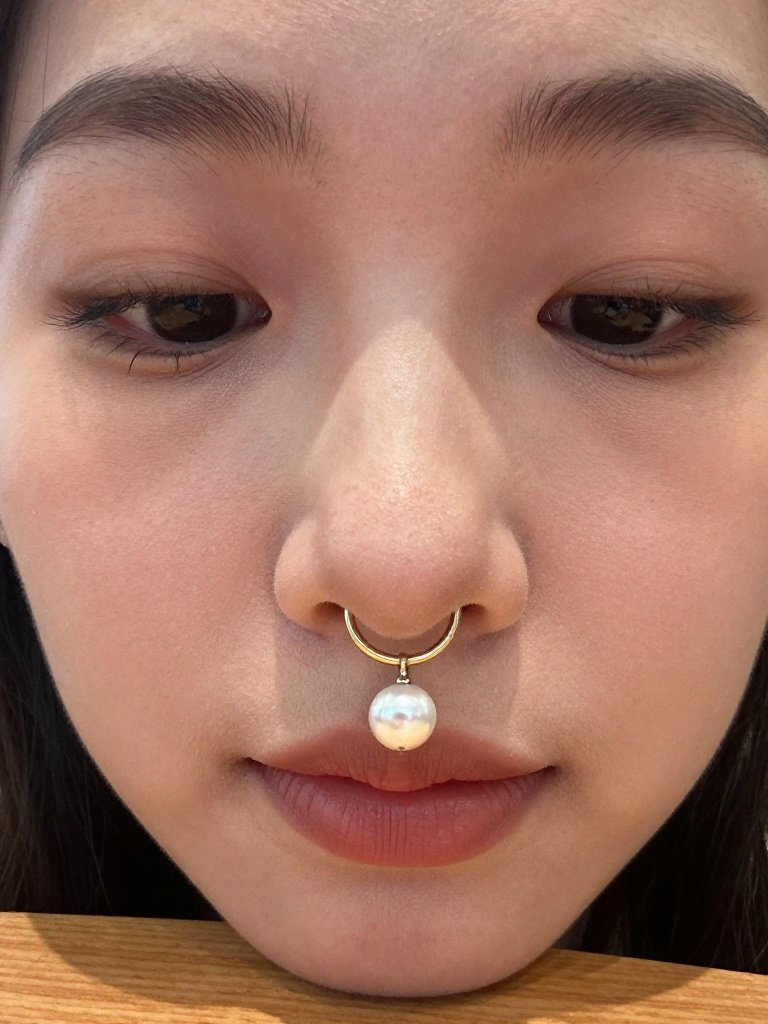
A pearl drop septum ring creates a softer and more elegant appearance through a single pearl detail hanging from the jewelry.
Unlike metallic or geometric designs, pearls create a gentle visual effect that feels closer to traditional fine jewelry.
This style is ideal for people who want their septum piercing to feel refined rather than edgy.
Best Suited For
This design is suitable for:
- Elegant fashion preferences
- Special occasion styling
- People who enjoy softer jewelry details
Styling Direction
Pearl jewelry pairs naturally with simple accessories. Matching pearl earrings or delicate jewelry can create a coordinated appearance.
Important Consideration
Pearls are more delicate than metal jewelry, so the piece should be handled carefully to maintain its appearance.
23. Brushed Titanium Everyday Septum Ring
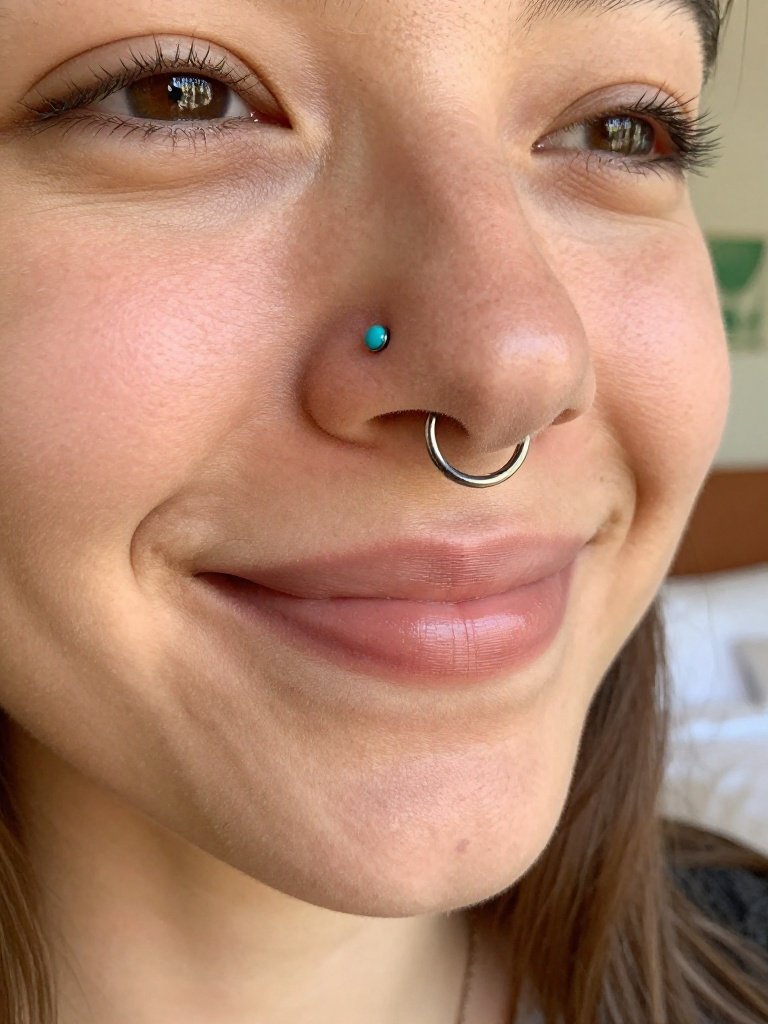
A brushed titanium everyday septum ring focuses on practicality, comfort, and timeless styling.
The satin-like finish creates a softer appearance compared with highly polished metals. It provides a modern look without becoming the main focus of the face.
This style is popular among people who want one reliable piece that works with different outfits and occasions.
Best Suited For
This ring works well for:
- Everyday wear
- Minimal jewelry preferences
- People who prefer simple and durable designs
Styling Direction
The neutral finish makes it easy to combine with different accessories, clothing styles, and other jewelry pieces.
It creates a balanced appearance without competing with the rest of the look.
Important Consideration
Material quality is an important factor when selecting everyday jewelry. A well-made piece generally provides a better long-term experience than low-quality alternatives.
Frequently Asked Questions
Does a septum piercing hurt more than a nostril piercing?
Pain experiences are different for everyone. Some people describe a septum piercing as a quick pressure sensation, while others may experience more sensitivity depending on individual factors.
How long does a septum piercing take to heal?
Healing time varies from person to person. Factors such as personal healing response, jewelry choice, lifestyle, and proper care can influence how quickly the piercing settles.
Can you hide a septum piercing?
Yes, certain septum jewelry styles allow a more discreet appearance. This flexibility is one of the reasons many people choose septum piercings.
What gauge is commonly used for a septum piercing?
Many septum piercings commonly use 16 gauge jewelry, although the most suitable size depends on individual anatomy and professional guidance.
What jewelry style is best for a first septum piercing?
Many people prefer simple designs because they are easier to style and maintain. The right choice depends on personal preference, comfort, and the look someone wants to create.
Final Thoughts
A septum piercing offers one of the most flexible jewelry choices because the same placement can create completely different appearances.
From simple titanium rings and classic hoops to gemstone designs and bold statement pieces, every style creates its own personality.
The best septum jewelry choice is not always the largest or most popular design. It is the one that matches your lifestyle, personal style, and the type of appearance you want to create.