
An Ashley piercing is a centered lower lip piercing designed around one visible jewelry piece on the outside of the lip, while the backing remains inside the mouth. Its clean placement makes it one of the most elegant lip piercings because the jewelry becomes a small but noticeable feature of the smile.
The style of an Ashley piercing depends heavily on the jewelry choice. A simple titanium stud creates a minimal everyday look, while gemstones, unique shapes, and decorative designs can turn the same piercing into a stronger fashion statement.
1. Classic Silver Ball Ashley Piercing

The classic silver ball Ashley piercing remains one of the most timeless choices because it focuses on balance rather than decoration. A small polished silver ball sits at the center of the lower lip, creating a clean symmetrical appearance that works with almost any personal style.
This design is often chosen by people who want their first Ashley piercing to look natural and easy to maintain. The smooth rounded surface keeps the jewelry simple while allowing the placement itself to become the main feature.
The silver finish creates a cool metallic appearance that pairs well with other facial jewelry, including nose studs, septum rings, and ear piercings.
Why This Style Works
- Creates a clean and balanced lip appearance
- Matches almost every fashion style
- Easy to combine with other jewelry
- Keeps attention on the piercing placement
Styling Tip
A smaller 2mm to 3mm ball creates a subtle everyday look, while a slightly larger size gives the piercing more visual presence without becoming overwhelming.
2. Micro Gold Ball Ashley Piercing
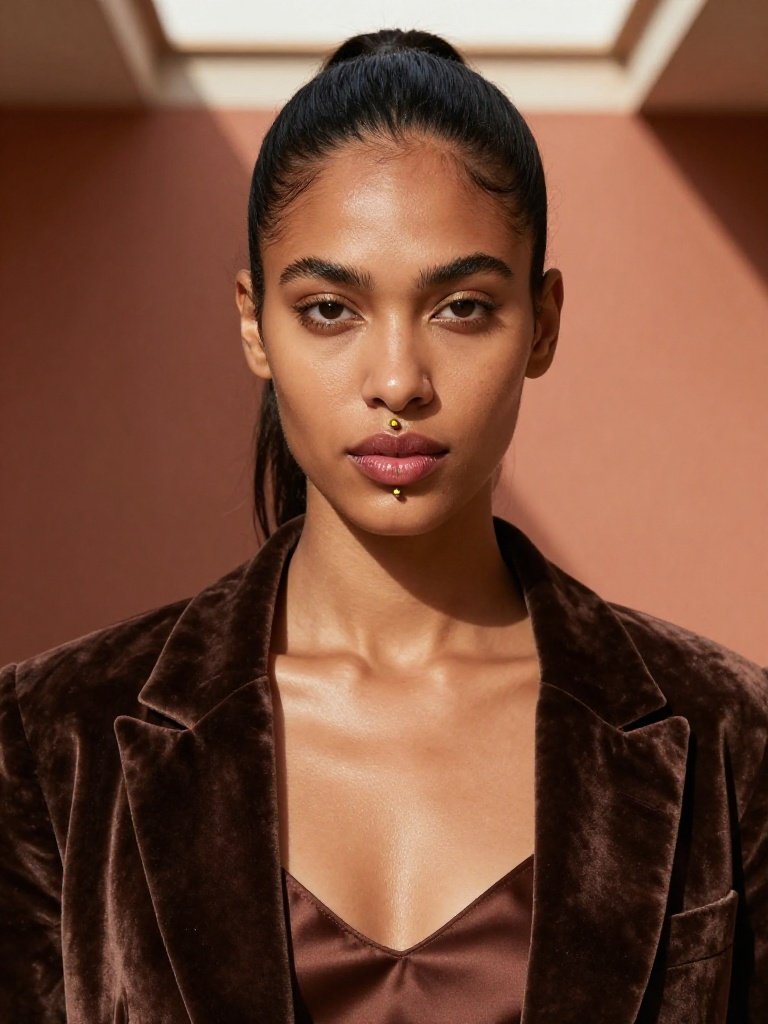
The micro gold ball Ashley piercing takes the classic design and makes it more delicate. Instead of a noticeable metallic sphere, this style uses a smaller gold end that blends naturally with the lip while adding a warm highlight.
Gold changes the overall feeling of an Ashley piercing. Compared with silver, it creates a softer and more luxurious appearance, especially when paired with warm-toned accessories.
This style is popular among people who want facial jewelry that feels refined rather than bold.
Why This Style Works
- Gives a luxury-inspired appearance
- Looks subtle from a distance
- Works well with minimal fashion styles
- Adds warmth compared with silver jewelry
Styling Tip
A 14k gold or implant-grade gold option creates a premium look, while a tiny gold end keeps the piercing suitable for everyday wear.
3. Gem Halo Ashley Piercing

A gem halo Ashley piercing adds more detail by replacing the simple stud with a small halo-style setting. Instead of one plain surface, the jewelry features a central stone surrounded by smaller accents that create extra sparkle.
This design transforms the Ashley piercing from a minimal facial detail into a small statement accessory. The layered gemstone arrangement catches light differently from a traditional ball, making it more noticeable in photographs and close-up views.
The halo design works especially well for people who want their piercing to feel similar to fine jewelry.
Why This Style Works
- Adds sparkle without requiring a large piece
- Creates a more decorative appearance
- Gives the piercing a luxury jewelry feel
- Works well as a standalone facial accessory
Styling Tip
Choose a low-profile halo setting so the jewelry stays comfortable while maintaining the detailed appearance.
4. Opal Cabochon Ashley Piercing

An opal cabochon Ashley piercing replaces traditional metal with a smooth rounded stone that creates a soft color-changing effect. Opal jewelry can show hints of blue, pink, green, or white depending on the lighting, giving the piercing a unique appearance.
Unlike sharp-cut gemstones, a cabochon design has a smooth surface that creates a softer aesthetic. This makes it a popular choice for people who prefer romantic, artistic, or bohemian jewelry styles.
The natural glow of opal allows the piercing to stand out without looking too aggressive.
Why This Style Works
- Creates a soft and elegant appearance
- Adds color without being too bold
- Looks different under changing light
- Works well with feminine and artistic aesthetics
Styling Tip
A white or blue opal creates a classic look, while darker opal shades produce a more dramatic appearance.
5. Threaded Trinity Cluster Ashley Piercing

The threaded trinity cluster Ashley piercing replaces a single jewelry end with three connected elements arranged into a small decorative cluster. Instead of one point of light, the design creates a textured shape that attracts more attention.
This style works well for people who find traditional Ashley studs too simple but still want to keep a single centered piercing.
The cluster design adds dimension while keeping the clean placement of an Ashley piercing.
Why This Style Works
- Creates more visual detail
- Makes a single piercing look more customized
- Adds texture without needing multiple piercings
- Works well for statement jewelry lovers
Styling Tip
Keep the cluster size proportional to your lip shape. A smaller cluster usually creates a more polished and balanced result.
See Also: 23 Flawless Septum Piercing Ideas With Practical Tips
6. Matte Black CZ Ashley Piercing

The matte black CZ Ashley piercing creates a completely different mood compared with traditional silver or gold jewelry. The dark stone gives the lower lip a stronger contrast and creates a modern alternative aesthetic.
Instead of reflecting bright light like clear gemstones, matte black jewelry creates a deeper, more mysterious appearance. It works especially well with darker fashion styles and other black accessories.
This option is ideal for people who want their Ashley piercing to feel more expressive.
Why This Style Works
- Creates a bold alternative look
- Adds contrast to the face
- Works well with black jewelry collections
- Gives a modern edge to a classic placement
Styling Tip
Pairing a matte black Ashley piercing with a black septum ring or dark earrings creates a more connected overall style.
7. Ashley Piercing and Medusa Stacked Duo

The Ashley and Medusa combination creates a centered facial jewelry arrangement by pairing a lower lip piercing with a philtrum piercing above the upper lip. Together, these two placements form a vertical line that draws attention toward the center of the face.
Unlike a single Ashley piercing that creates a subtle focal point, this combination creates a stronger editorial look. The upper and lower jewelry pieces work together to frame the mouth area and create a more intentional piercing style.
The final appearance depends heavily on jewelry balance. Matching metals and similar jewelry sizes usually create a cleaner look, while mixing different shapes can make the combination feel more expressive.
Why This Style Works
- Creates a strong symmetrical facial composition
- Makes the lip area the main style feature
- Allows different jewelry combinations
- Works well for people who prefer multiple piercings
Styling Tip
A small gemstone or gold stud on both piercings creates a refined appearance, while matching titanium or silver pieces create a cleaner minimalist aesthetic.
8. Ashley Piercing and Vertical Labret Combination

The Ashley piercing combined with a vertical labret creates a layered lip jewelry look by adding another visible point below the lower lip. While the Ashley focuses on the center of the lip, the vertical labret extends the design downward and creates a stronger visual line.
This pairing is more noticeable than a single Ashley piercing because the jewelry occupies more of the lower face. It works best for people who want their piercings to become a clear part of their personal style.
The key to making this combination work is spacing. The jewelry should feel connected without appearing crowded.
Why This Style Works
- Creates a balanced vertical jewelry arrangement
- Adds more personality to a single lip piercing
- Works well with alternative fashion styles
- Creates a stronger statement without multiple facial areas
Styling Tip
Keep both pieces visually connected by using the same metal finish. A matching silver, gold, or black setup usually looks more intentional.
9. Ashley Piercing and Monroe Pairing

The Ashley and Monroe combination creates an interesting contrast between symmetry and asymmetry. The Ashley sits in the center of the lower lip, while the Monroe sits slightly off-center above the upper lip, creating a more playful and fashion-focused appearance.
This pairing feels less structured than a Medusa combination because the Monroe adds movement to the overall look. The result is a style that feels creative while still maintaining balance.
It is a popular choice for people who want facial jewelry that looks customized rather than perfectly matched.
Why This Style Works
- Combines centered and asymmetric placement
- Creates a unique facial jewelry arrangement
- Adds personality without overcrowding the face
- Works well with different fashion aesthetics
Styling Tip
Use smaller jewelry on the Monroe and slightly stronger jewelry on the Ashley to keep the lower face visually balanced.
10. Implant-Grade Titanium Ashley Piercing

An implant-grade titanium Ashley piercing focuses on quality, comfort, and long-term wear rather than decorative details. The jewelry itself may look simple, but the material choice makes a major difference in the overall experience.
Titanium is lightweight and commonly chosen for body jewelry because it provides a clean appearance while being suitable for people who prefer sensitive-skin-friendly options.
This style is ideal for someone who wants an Ashley piercing that can become an everyday signature piece.
Why This Style Works
- Creates a simple professional appearance
- Suitable for long-term jewelry wear
- Lightweight compared with some other metals
- Works with almost every personal style
Styling Tip
A polished titanium ball creates a classic appearance, while a matte titanium finish gives the same piercing a more modern feel.
11. Rose Gold Heart Ashley Piercing
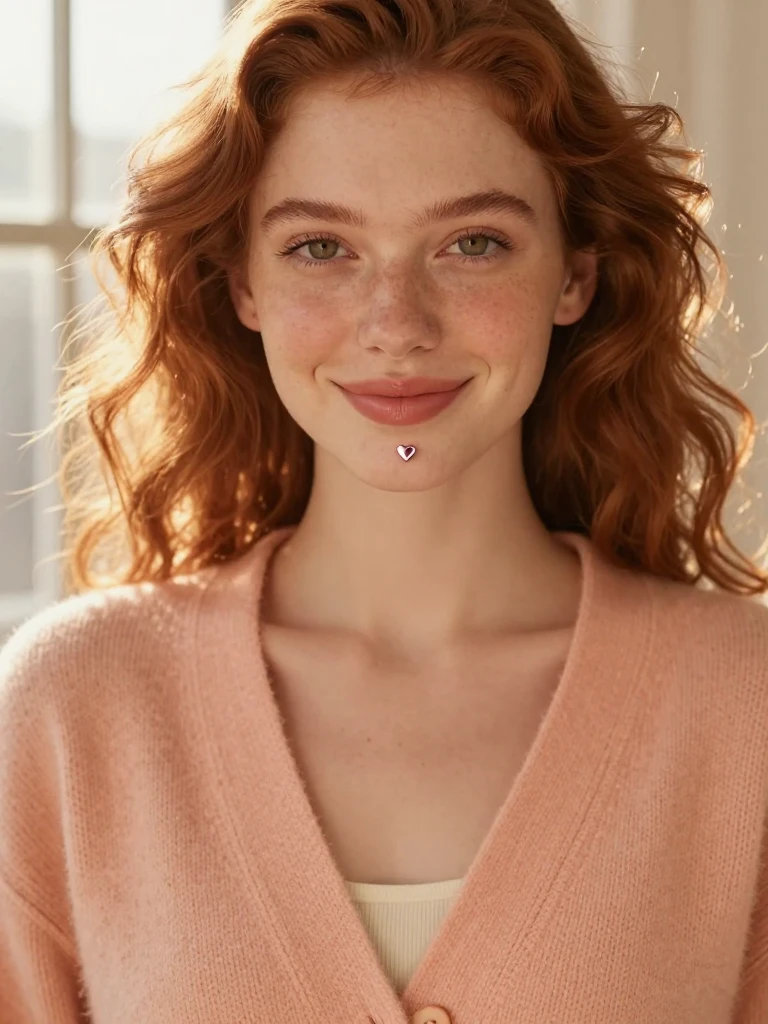
The rose gold heart Ashley piercing replaces the traditional round stud with a small heart-shaped design. The warm pink tone of rose gold combined with the symbolic shape creates a softer and more decorative interpretation of the classic placement.
This style works especially well for people who want their piercing to feel personal rather than simply fashionable. The heart shape adds character while keeping the jewelry centered and elegant.
Because the design itself becomes the focus, it works best when kept small and refined.
Why This Style Works
- Adds a romantic and personalized touch
- Creates a softer alternative to classic studs
- Combines jewelry and symbolism
- Works well with delicate aesthetics
Styling Tip
A small rose gold heart looks best when the shape remains clearly visible without becoming too large for the lip area.
12. Freshwater Pearl Ashley Piercing
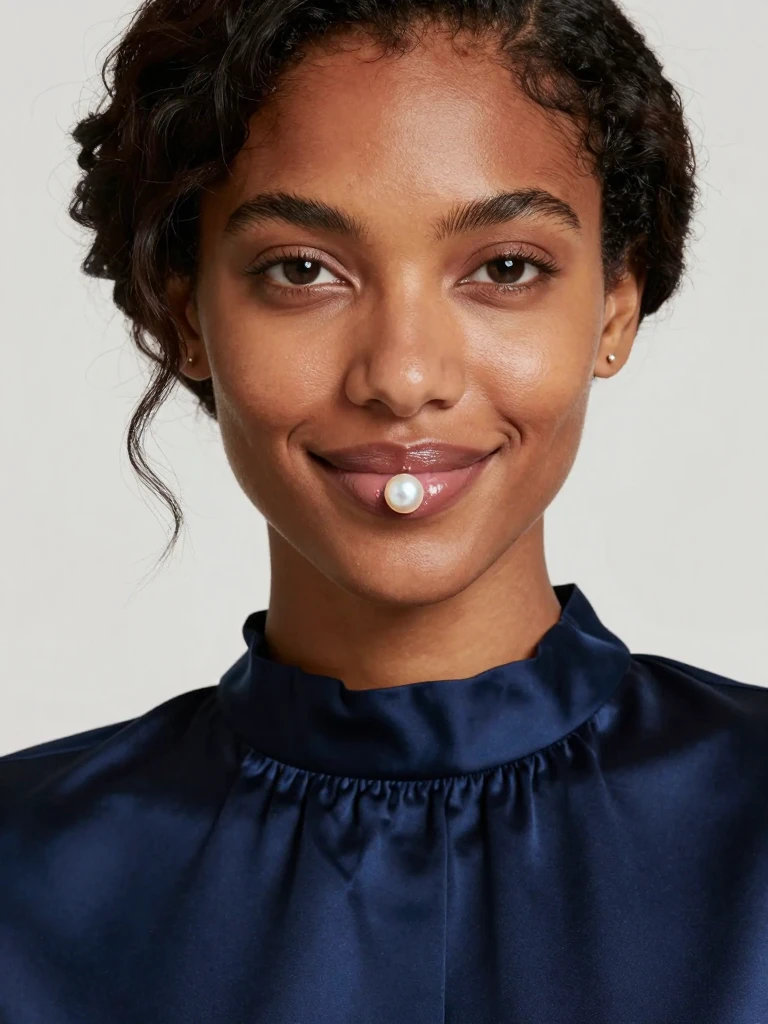
A freshwater pearl Ashley piercing introduces a softer jewelry style by replacing metal or gemstones with a natural pearl surface. The pearl’s subtle shine creates a refined appearance that feels more like fine jewelry than traditional body jewelry.
Each freshwater pearl has slight natural differences, which makes every piece unique. This gives the Ashley piercing a more organic and personalized feel.
This style is especially suitable for people who prefer elegant, feminine, or luxury-inspired accessories.
Why This Style Works
- Creates a sophisticated appearance
- Adds natural texture to the piercing
- Feels different from common metal jewelry
- Works well for special occasions
Styling Tip
A small pearl works better than a large one because the Ashley placement looks more balanced when the jewelry remains close to the lip.
13. Prong-Set Diamond-Cut Ashley Piercing

The prong-set diamond-cut Ashley piercing uses a faceted stone held by small metal points, allowing maximum light reflection. Unlike a flat gemstone, this design creates more sparkle because light enters from multiple angles.
This style gives the Ashley piercing a fine jewelry appearance and works well for people who want their facial piercing to become a noticeable accessory.
The detailed setting creates a more luxurious impression compared with simple studs.
Why This Style Works
- Creates a high-end jewelry appearance
- Reflects more light than plain designs
- Adds glamour to a small piercing
- Works well as a statement piece
Styling Tip
Choose a smaller stone size so the jewelry enhances the lip rather than overpowering the overall facial balance.
14. Mixed Metal Two-Tone Ashley Piercing

A mixed metal two-tone Ashley piercing combines different metal finishes in one small jewelry piece, usually pairing gold and silver tones together. This creates a more personalized look because the jewelry does not need to match every other accessory you wear.
Instead of choosing between warm gold and cool silver, this style allows both tones to work together. The result is a modern appearance that feels intentional and fashion-focused without being overly dramatic.
This design is especially appealing for people who already mix different jewelry metals in their everyday style.
Why This Style Works
- Creates a unique customized appearance
- Works with both gold and silver accessories
- Adds visual interest to a simple piercing
- Gives a modern jewelry-inspired feel
Styling Tip
Keep the design balanced by choosing pieces where both metals are clearly blended. A subtle two-tone finish usually looks more polished than a heavily contrasting combination.
15. Flat Disc Ashley Piercing

The flat disc Ashley piercing offers a sleek alternative to traditional round studs. Instead of a raised ball or gemstone, this style uses a small circular disc that sits close against the lip, creating a smooth and minimalist appearance.
The flat surface gives the jewelry a more architectural feel. It reflects light differently from curved designs and creates a clean line that works especially well with modern fashion aesthetics.
This style is ideal for people who want a noticeable piercing without decorative details.
Why This Style Works
- Creates a clean minimalist appearance
- Sits comfortably close to the lip
- Matches modern jewelry trends
- Works well for everyday styling
Styling Tip
A smaller disc creates a subtle luxury look, while a slightly wider disc creates a stronger fashion statement.
16. Tiny Star Ashley Piercing

The tiny star Ashley piercing adds personality to the classic centered lip placement by replacing the traditional round jewelry end with a small star shape.
This style keeps the simplicity of a single piercing while introducing a playful design element. The shape creates a different visual effect depending on the angle of the face, making it more interesting than a standard ball.
It is a popular option for people who want something unique but still wearable every day.
Why This Style Works
- Adds a creative touch without looking excessive
- Creates a youthful and expressive appearance
- Keeps the clean Ashley piercing placement
- Works well with delicate jewelry styles
Styling Tip
Choose a star design with smooth edges and a simple shape. Small details usually create a more elegant result than oversized charms.
17. Color-Shift Mood Stone Ashley Piercing

A color-shift mood stone Ashley piercing creates a changing visual effect by using a stone that appears different under various lighting conditions. Unlike traditional gemstones with one fixed color, this style creates a more playful and experimental appearance.
This jewelry choice is less about classic elegance and more about expressing personality. It gives the Ashley piercing a fun and creative direction for people who enjoy unusual accessories.
Because the stone itself becomes the main feature, this style works best when the rest of the jewelry remains simple.
Why This Style Works
- Creates a unique changing appearance
- Adds a fun personality-driven element
- Makes a simple piercing more noticeable
- Works well for creative fashion styles
Styling Tip
This style is best treated as a statement accessory. Pair it with simple jewelry so the color-changing effect remains the main focus.
How to Choose the Right Ashley Piercing Jewelry
Choosing Ashley piercing jewelry is not only about finding a design that looks attractive. The best choice depends on your personal style, comfort, and the type of impression you want the piercing to create.
Minimal Ashley Piercing Styles
For a clean everyday appearance, small titanium balls, flat discs, and simple gold studs are usually the strongest choices. These designs blend easily with different outfits and other facial jewelry.
Statement Ashley Piercing Styles
Gemstones, clusters, pearls, and decorative shapes create a stronger visual impact. These options work well for people who want their lip piercing to become a noticeable part of their appearance.
Alternative Ashley Piercing Styles
Black jewelry, mixed metals, and unique shapes create a more expressive aesthetic. These styles often pair well with darker fashion choices and other alternative piercings.
Ashley Piercing Jewelry Materials Explained
The material of the jewelry affects both appearance and long-term comfort. Different materials create different finishes and styles.
Titanium Ashley Jewelry
Titanium is a popular choice because it is lightweight and has a clean modern appearance. It works well for both simple and decorative designs.
Gold Ashley Jewelry
Gold creates a warmer luxury-inspired look. Yellow gold, rose gold, and white gold can completely change the personality of the same piercing design.
Gemstone Ashley Jewelry
Gemstones add color and sparkle. Clear stones create a classic appearance, while colored stones create a more personalized style.
Frequently Asked Questions
What is an Ashley piercing?
An Ashley piercing is a centered lower lip piercing where one jewelry end is visible on the outside of the lip while the backing sits inside the mouth. It creates a clean single-point appearance.
How painful is an Ashley piercing?
Pain varies between individuals, but many people describe it as a quick sharp sensation followed by temporary swelling. The experience depends on personal sensitivity and healing response.
How long does an Ashley piercing take to heal?
Healing times vary, but many Ashley piercings require several weeks to months before they become fully settled. Proper care and suitable jewelry can support a smoother healing process.
What jewelry is best for a new Ashley piercing?
Small implant-grade titanium or similar high-quality jewelry is commonly preferred for initial piercings because it is simple, lightweight, and easier to manage during healing.
Can you change Ashley piercing jewelry?
Yes, but it is usually recommended to wait until the piercing has properly healed before changing decorative jewelry. A professional piercer can help choose suitable replacements.
Does an Ashley piercing damage teeth?
Because Ashley jewelry sits inside the lip area, proper placement and correctly fitted jewelry are important. A professional piercer can help reduce unnecessary pressure or irritation.
Final Thoughts
An Ashley piercing proves that a small piece of jewelry can completely change the appearance of the smile. From simple titanium studs to gemstone designs, pearls, and creative shapes, each style creates a different personality.
The best Ashley piercing jewelry is not always the biggest or most detailed option. It is the design that matches your personal style, feels comfortable, and works naturally with your overall appearance.
Whether you prefer a minimal everyday look or a bold statement piece, the right jewelry can turn an Ashley piercing into a signature part of your style.