Cry baby makeup is a face-art trend built around painted or glossy “tears” combined with a doll-like or heartbroken expression, usually paired with pastel or graphic eye work. It covers 15 distinct cry baby makeup ideas here, ranging from soft porcelain-doll styles to bold graphic tear art, and it’s aimed at anyone who wants a Halloween, festival, or creative-shoot look that photographs well and still reads as intentional up close. The trend borrows loosely from cry baby movie makeup and clown-core face paint, though most of today’s versions lean far more artistic than costume-accurate.
1. Pastel Porcelain Doll Cry Baby Makeup
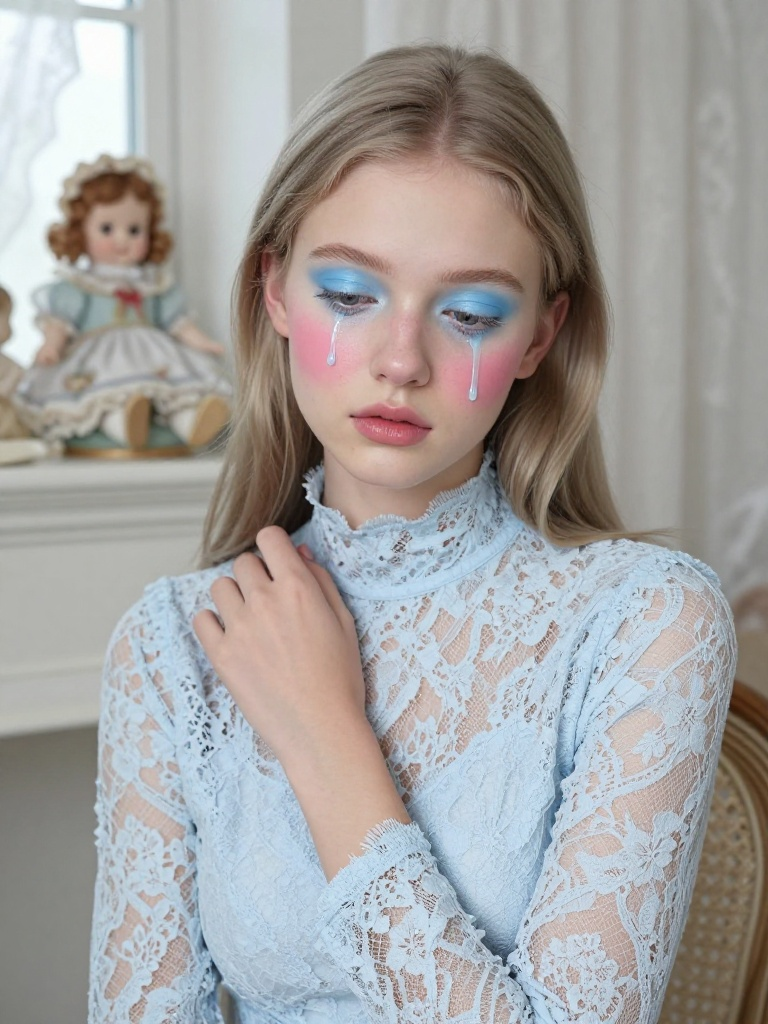
Picture a hand-painted china doll that’s just started to cry, and that’s the base concept here. The base is a matte, slightly blanched complexion, built with heavier-than-usual coverage so the skin reads flat and porcelain rather than natural, closer to doll eye makeup than to anything soft or dewy. Soft baby blue eyeshadow gets swept across the lid and lower lash line, blush sits high and round on the apples of the cheeks like a stamped-on flush, and a single hand-painted tear line runs from the inner corner down past the cheekbone in a pale, glassy blue. The overall effect should look staged and deliberate, the way a collectible figurine is painted, rather than like real skin caught mid-cry.
Technique
Build the base with a full-coverage, matte foundation first, then paint the tear line last using a thin liner brush and cream or gel liner so the edges stay crisp instead of blending into the skin.
Skin Tone Match
The pastel blue and soft pink combination sits best on fair to light-medium tones, where the blanched base and the flush read as an intentional contrast rather than a mismatch.
Longevity
Once set with powder, the base holds cleanly for several hours, though the painted tear line is the first element to smudge if the face is touched.
2. Glossy 3D Bubble Cry Baby Makeup
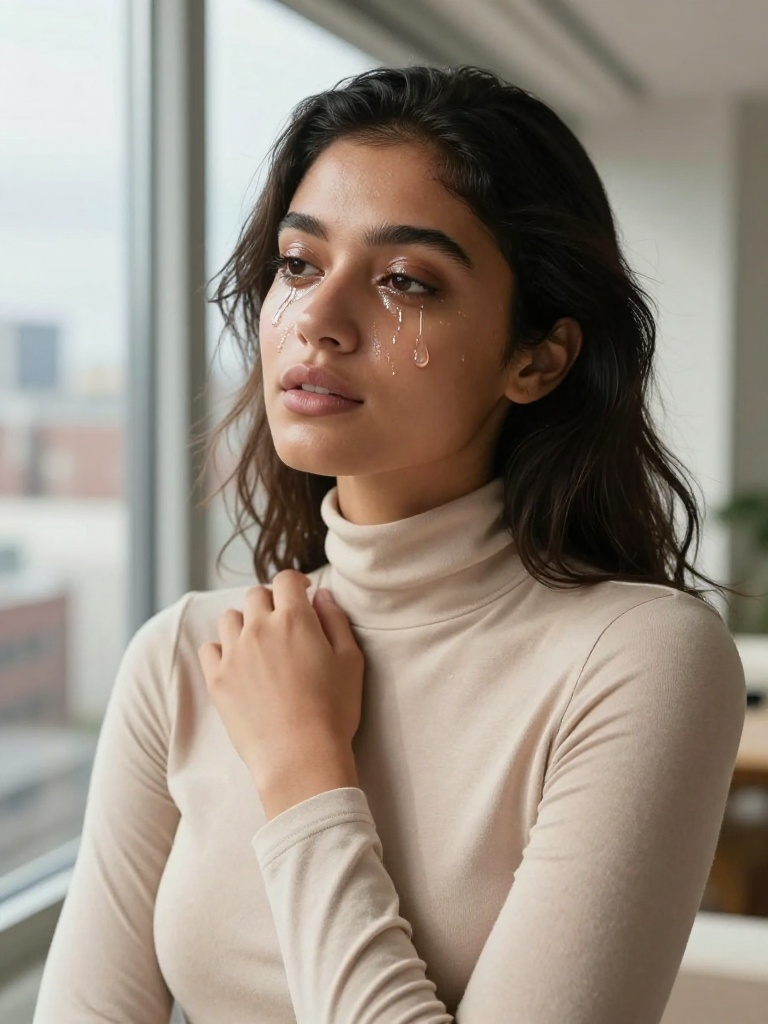
Instead of a flat painted line, this version uses a raised, gel-like product to create tears that actually catch light and look wet. The eye itself stays relatively simple, usually a soft wash of shadow, so the dimensional tears become the focal point rather than competing with heavy eye work. It leans closer to a glass skin finish than a matte one, with the rest of the base kept dewy and reflective so the raised tears don’t look out of place against a flat, powdery complexion.
Technique
A clear brow gel, lash glue, or dedicated 3D gel liner is dabbed and dragged downward in small teardrop shapes, letting each bead dry slightly tacky so it holds its rounded form instead of flattening.
Longevity
The raised texture is the most fragile part of this look and tends to flatten or peel within two to four hours, especially in humidity, so it works best for a planned shoot rather than an all-day wear.
3. Watercolor Wash Cry Baby Makeup
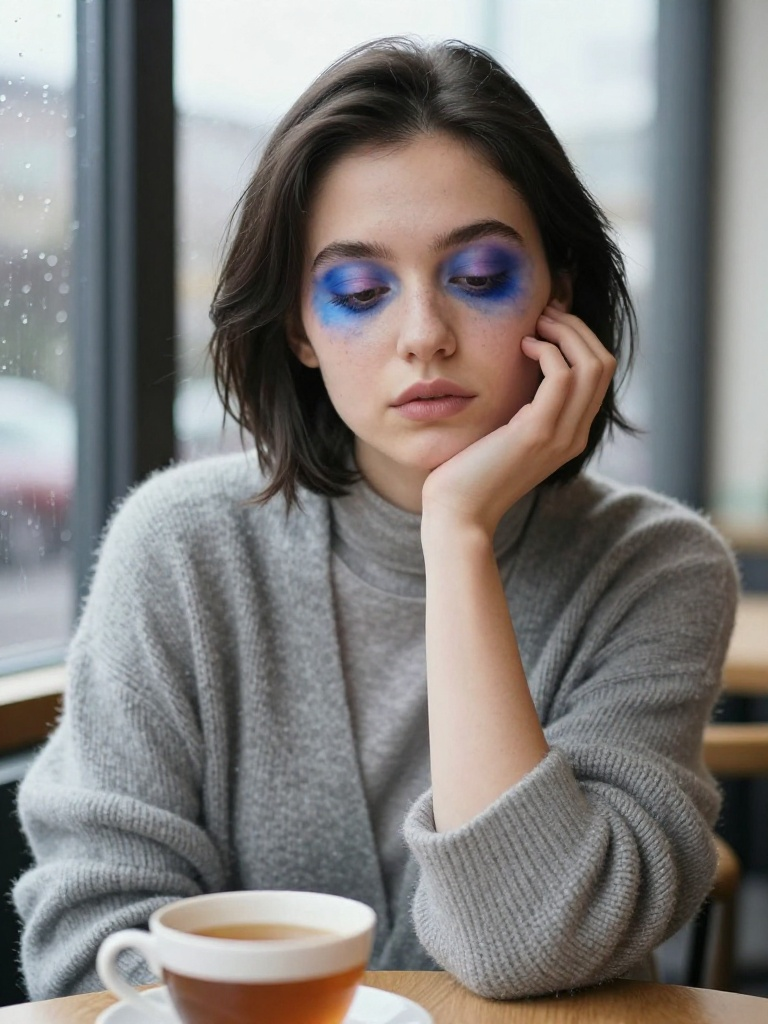
Crisp lines get skipped entirely in this version. The “crying” effect blends straight into a soft, diffused eyeshadow wash instead, so the tears look like they’ve smeared into the makeup rather than sitting on top of it. Cool-toned shadow in blue, lilac, or grey-blue gets pushed from the lid down under the eye and blended outward until the edges disappear into the skin, giving the whole look a slightly moody, soft goth makeup undertone even though nothing about it is technically dark.
Technique
Cream or liquid shadow is patted on with a damp sponge rather than a brush, which softens the edges immediately and gives the diffused, watery finish this look depends on.
Skin Tone Match
Cool-toned washes like blue and lilac tend to sit most naturally on cool or neutral undertones, though a warmer peach or rust wash can pull the same effect off on warmer skin.
4. Star-Flecked Glitter Cry Baby Makeup
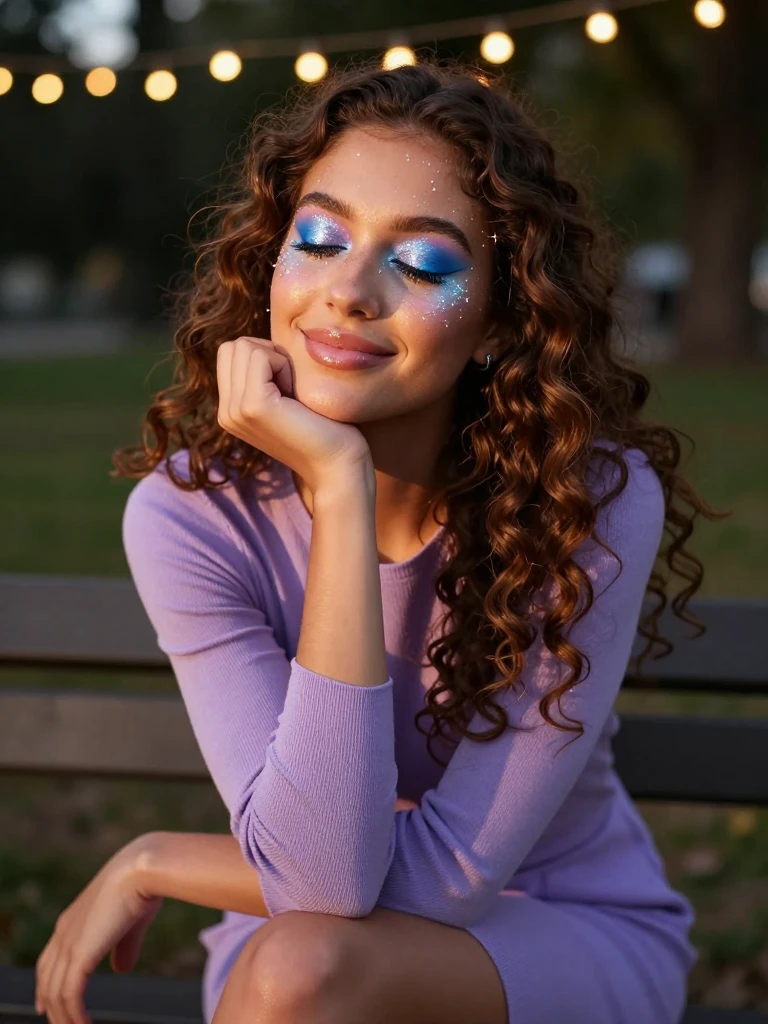
Fine glitter or small pre-cut star accents get placed directly along the tear path here, so the “crying” reads as celestial rather than sorrowful. It’s usually paired with soft blue or lilac eyeshadow and a glossy, undone lip, and the base stays fresh and dewy rather than matte, keeping the overall effect feeling light instead of heavy. The color palette sits close to pastel goth, all soft lavenders and baby blues, so the sparkle reads as dreamy rather than costume-heavy. It also photographs best under warm or fairy-light lighting, since flat daylight tends to mute the glitter payoff.
Technique
Fine cosmetic glitter or pre-cut star confetti is set into a clear lash adhesive along the lower lash line and down the cheek, applied piece by piece rather than swept on with a brush for cleaner placement.
Longevity
Glitter placement holds well as long as the face stays dry, but any wiping or crying-for-real will lift individual pieces almost immediately.
5. Graphic Blue Drip Lip Cry Baby Makeup
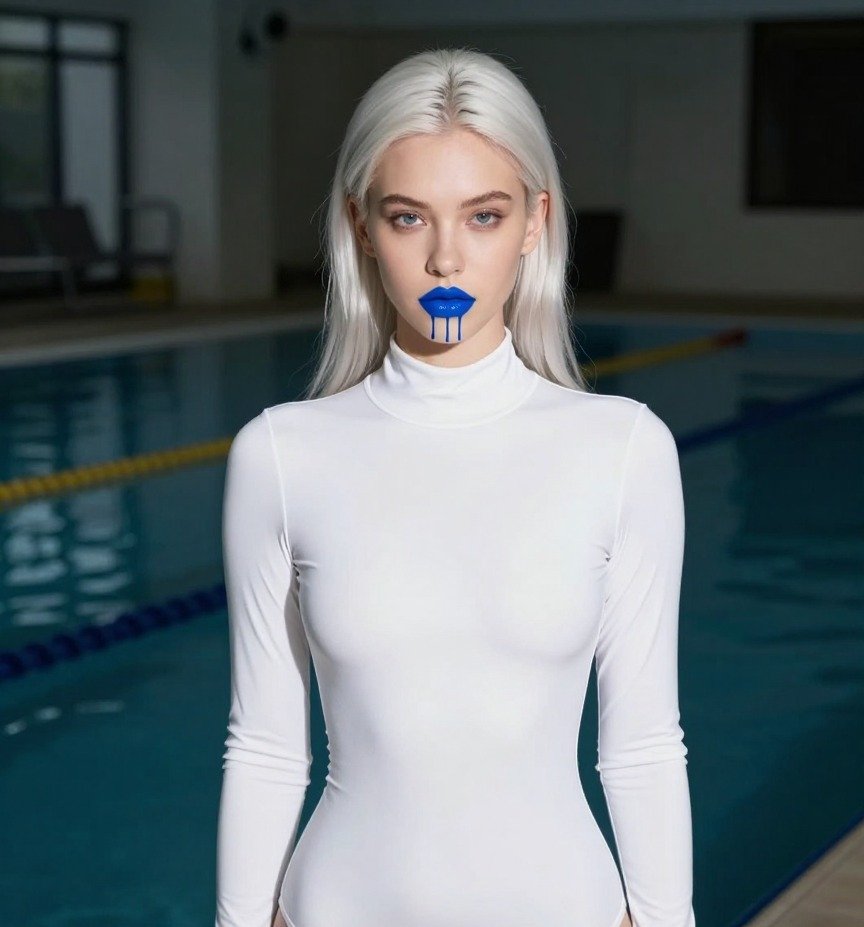
Here the drama moves down to the mouth. A saturated blue or violet lipstick is deliberately smudged past the natural lip line so it looks like color is bleeding downward, echoing the same “melting” idea as painted tears but applied to the lower half of the face instead. The effect borrows a little from special effects makeup, where color is pushed past its natural boundary on purpose, and it reads strongest when the eye makeup above it stays simple enough not to compete for attention.
Technique
Line the natural lip shape first, then use a slightly damp brush to drag color outward and downward in soft, uneven streaks, keeping the edges irregular rather than symmetrical so it reads as a drip and not a deliberate ombré.
Skin Tone Match
Bold blue and violet lip tones show up most clearly against fair to medium skin; on deeper tones, a jewel-toned burgundy or deep plum drip reads with the same intensity.
6. Painted Symbol Forehead Cry Baby Makeup
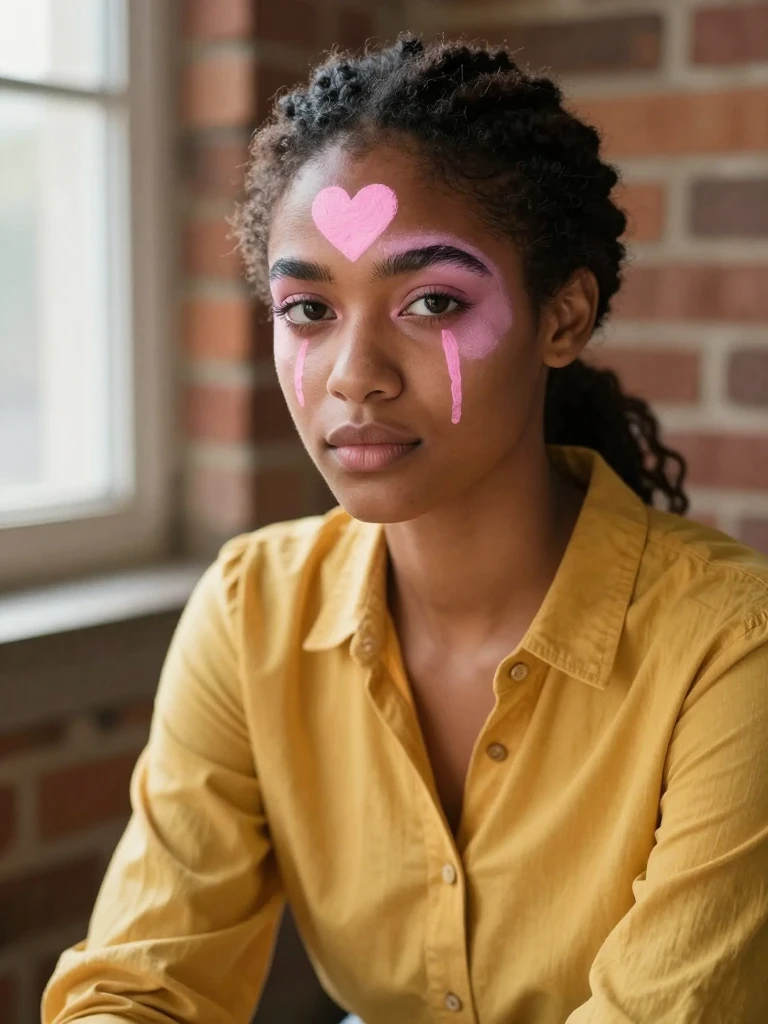
Borrowing from face-paint art, this variation adds a small painted symbol, like a heart, cross, or simple shape, at the center of the forehead above straightened or fully covered brows, then continues the tear theme underneath in a matching color so the symbol and the tears read as one cohesive design rather than two separate ideas layered together. A small face paint palette in two or three coordinating shades is usually enough, since the strength of this look comes from precision rather than a wide color range.
Technique
Brows are covered with a high-coverage concealer or glue-and-set method first, then the symbol is painted on with a fine brush before the tear lines are added so the layering order keeps lines crisp.
Longevity
Concealed brows are the most likely point of breakdown over a long day, since any oil in the skin will start to let the natural brow shadow through.
See Also: 13 Flawless Gyaru Makeup Ideas With Practical Styling Tips
7. Word-Art Cry Baby Makeup
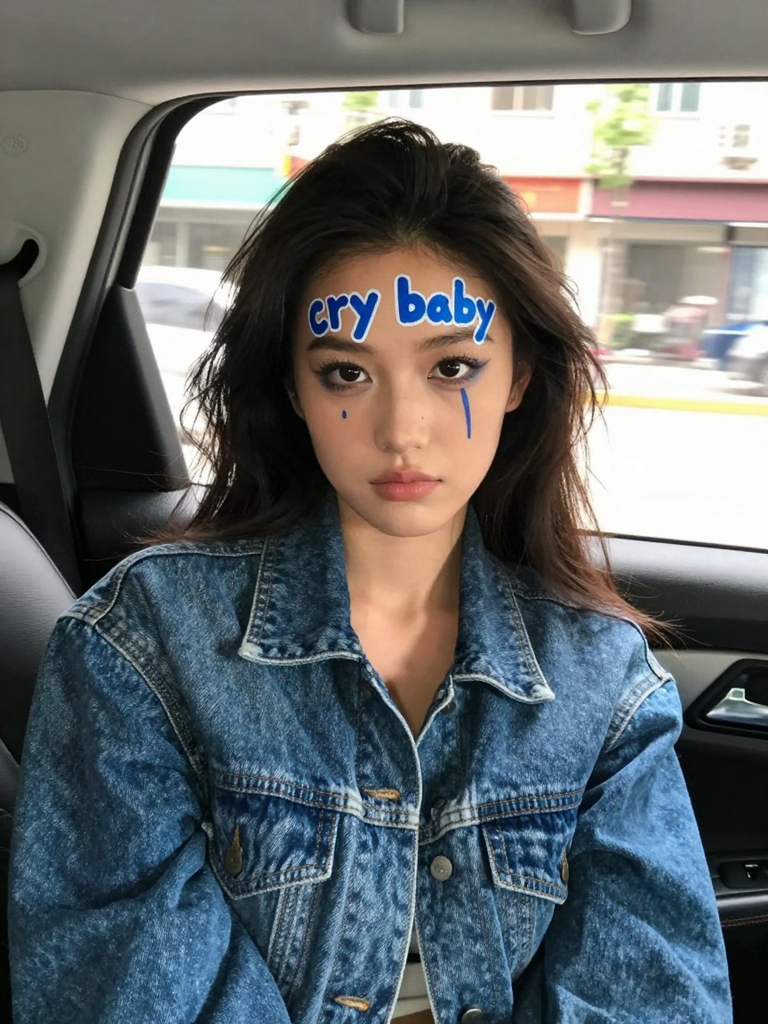
This variation takes the trend literally, painting the words “cry baby” or a similar short phrase directly across the forehead in bubble-style lettering, then finishing with a simplified tear line below. It’s one of the boldest, most costume-forward interpretations on this list, and it tends to show up most in editorial makeup or competitive looks where the concept needs to read clearly even from a distance.
Technique
Letters are sketched lightly first with a white eyeliner pencil to keep spacing even, then filled in with cream or gel liner in a contrasting color so the text stays legible from a distance.
Skin Tone Match
Because the lettering relies on strong color contrast rather than shading, it works across most skin tones as long as the paint color used is a few shades darker or lighter than the base underneath it.
8. Foundation-Melt Cry Baby Makeup
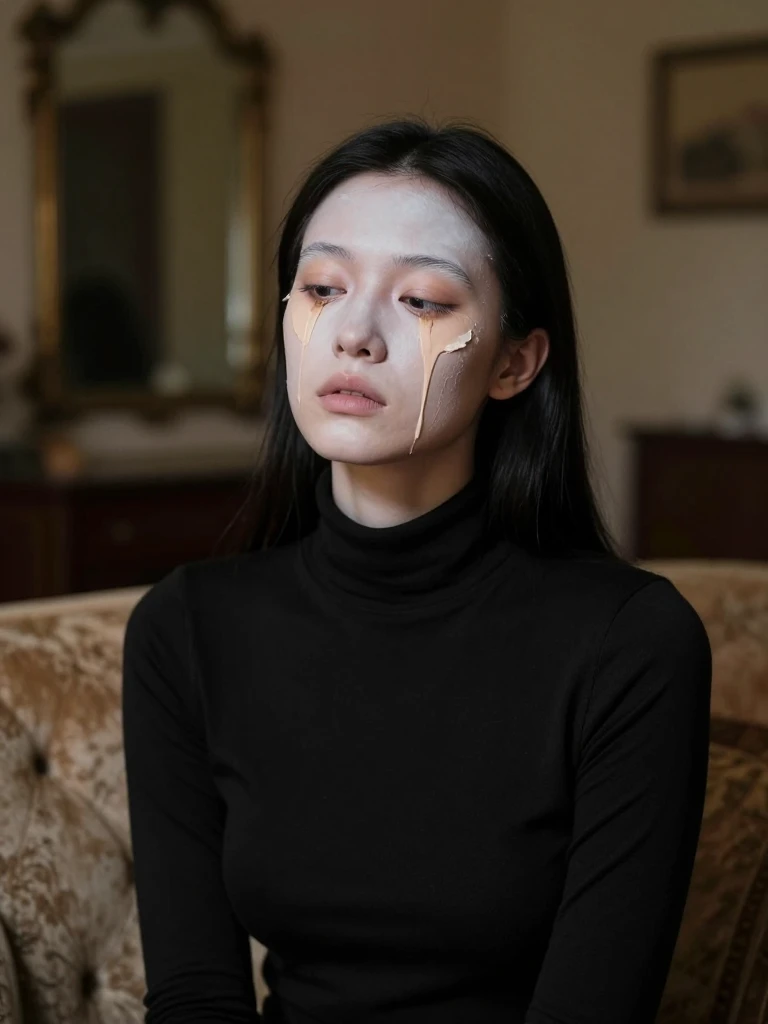
Rather than painted tears, this look uses streaks of foundation, concealer, or white cream product dragged downward from the eyes to look like the entire face is dissolving or melting, similar to old horror-doll imagery. It’s paired with minimal, subdued eye makeup so the melting effect stays the clear focus, and some versions borrow a thin layer of liquid latex under the streaks to build up a slightly raised, textured drip instead of a flat one.
Technique
A lighter shade of foundation than the base is applied in thin streaks with a small flat brush, then softened slightly at the edges with a damp sponge so it looks like it’s actively dripping rather than sitting still.
Longevity
This is one of the sturdier looks on the list once set with powder, since it relies on foundation rather than glitter or gel, though it still needs a light touch-up if the face gets warm.
9. Gothic Black Tear Trail Cry Baby Makeup
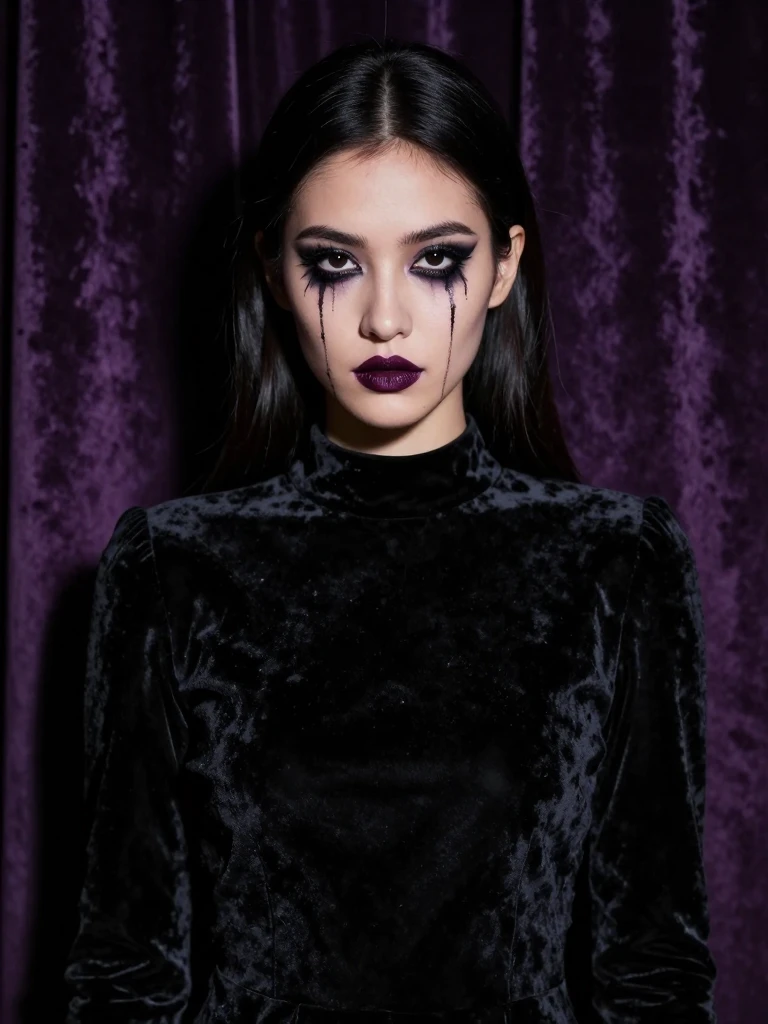
Solid black streaks replace pastel tears here, running from smudged, heavily lined eyes down toward the jaw. The overall mood shifts from sad doll to something closer to horror-glam, and it usually pairs with deep, vampy lip color instead of anything pastel or sweet. A sharp cut crease underneath the smudge gives the eye enough structure that the streaks below still read as intentional rather than like the makeup simply wore off.
Technique
Black cream liner or eyeshadow is smudged heavily around the eye first, then a thin liner brush drags a few uneven streaks downward before the product fully sets, giving the tears a slightly bled, unfinished edge.
Longevity
The smudged, unfinished quality of this look is forgiving over time since minor fading only adds to the effect, though the sharpest inner-eye definition will need a small refresh after several hours.
10. Chrome Metallic Cry Baby Makeup
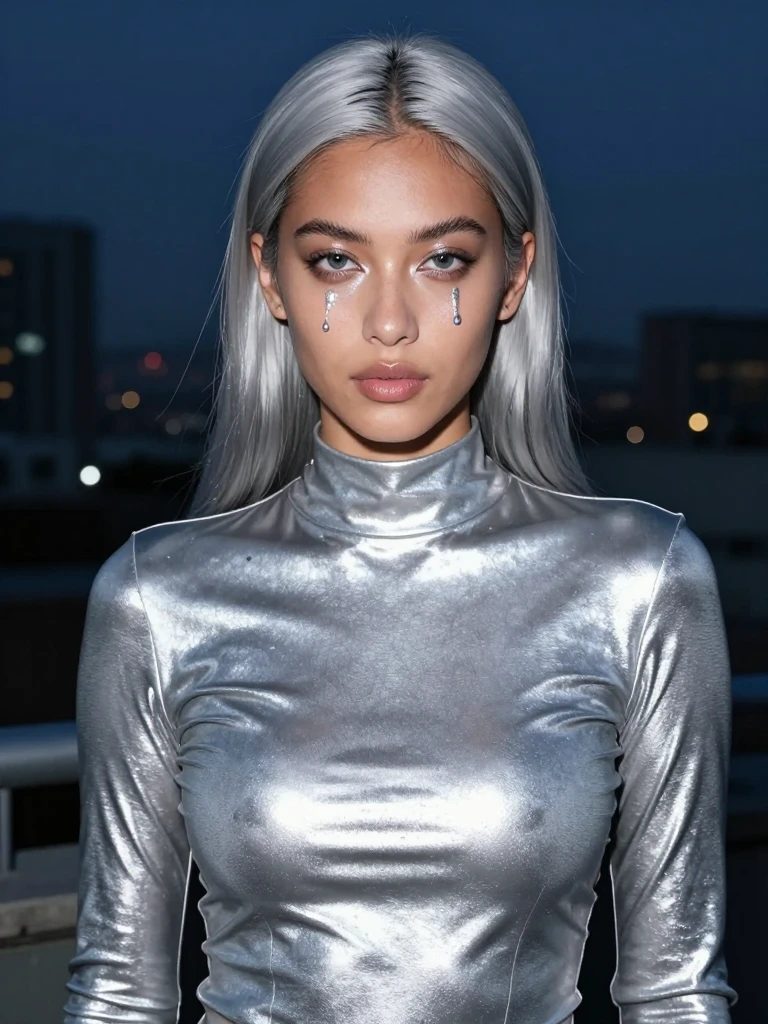
Liquid-metal pigment stands in for painted color in this version, using chrome or foil finish to create tears that look reflective instead of matte or glassy. It reads far more futuristic than the pastel or gothic versions and photographs especially well under flash, particularly when a small tear duct highlight is added first to catch light before the chrome line is drawn over it.
Technique
Chrome pigment is mixed with a small amount of mixing medium or clear gloss, then applied with a flat brush in one smooth downward stroke, since this finish shows every hesitation mark far more than a matte product would.
Longevity
Chrome finishes are prone to transferring onto anything they touch, including hair and clothing, so this is best saved for a shoot or event rather than extended wear.
11. Rainbow Gradient Cry Baby Makeup
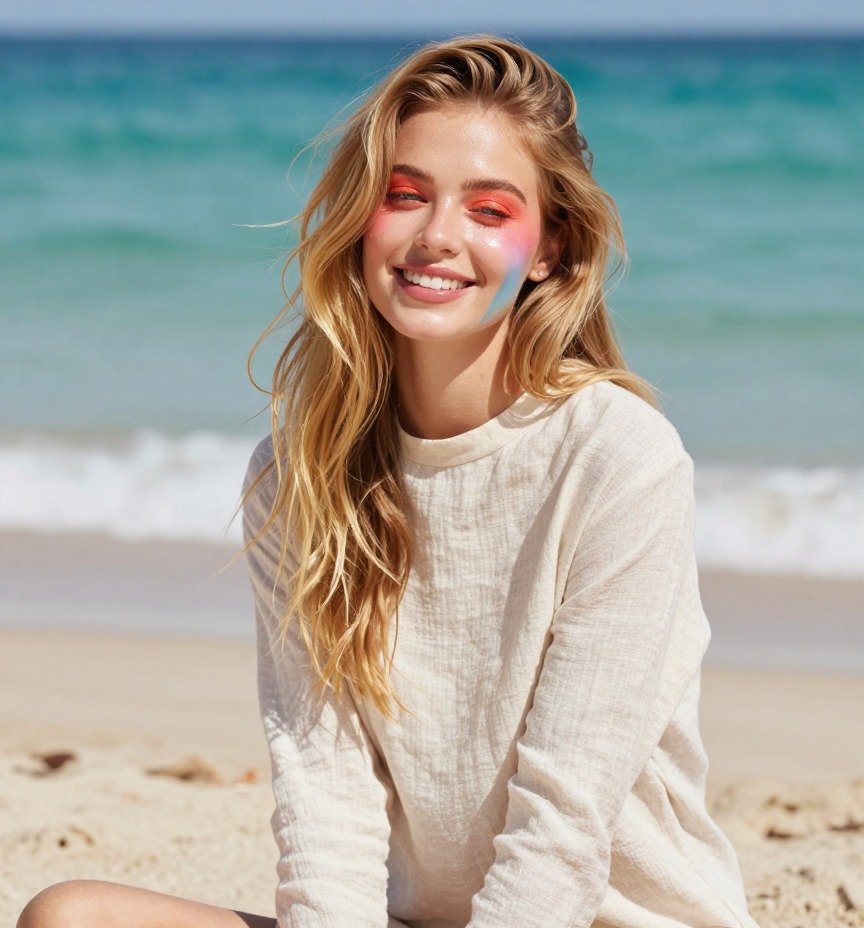
Two or three shades blend into one continuous gradient tear line here, moving from a warm tone near the eye into a cooler tone by the jaw. It’s one of the more technically demanding versions on this list because the blend has to stay smooth without turning muddy, and it often gets paired with a soft halo eye on the lid so the color story on the eye and the color story on the tear line feel connected rather than random.
Technique
Each color is applied to its own short section of the tear path while the previous one is still slightly wet, then a clean, damp brush is used to blend only where the two colors meet.
Skin Tone Match
Multi-tone gradients show up clearly on most skin tones, but the color choices should be adjusted so at least one shade in the gradient sits close to the wearer’s natural undertone for a smoother transition.
12. Blush-Heavy Sad Clown Cry Baby Makeup
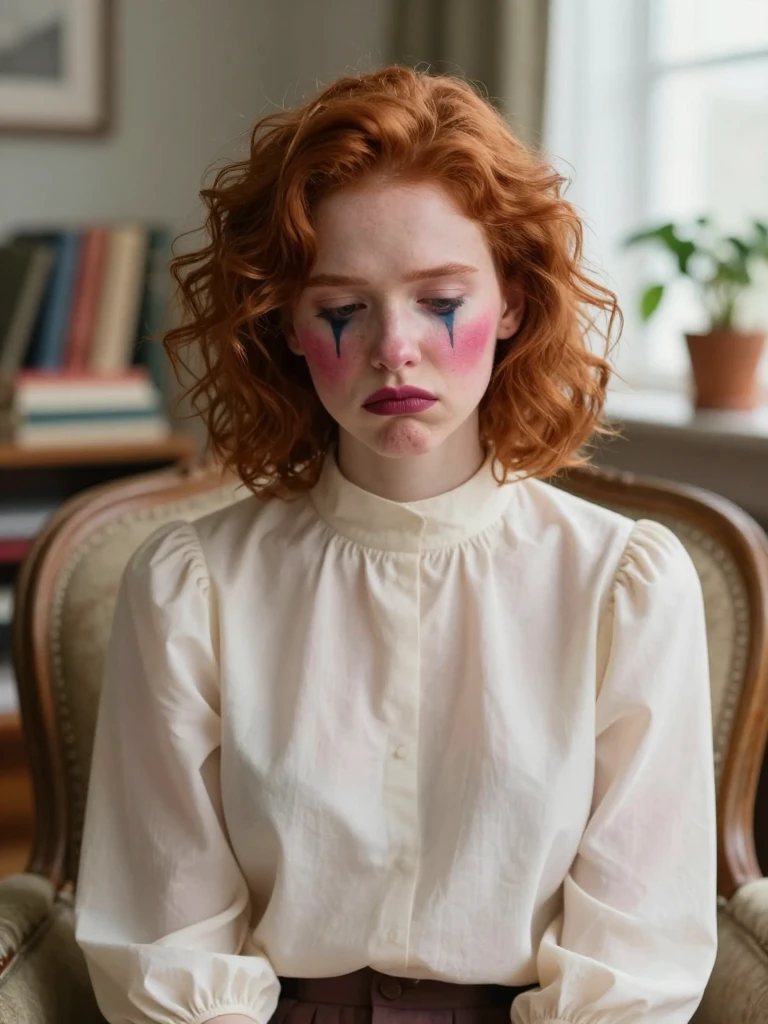
The blush moves much higher and rounder than a typical look here, almost circular on the apples of the cheeks, paired with a simplified, minimal tear line and a slightly exaggerated frown-shaped lip. It borrows more from classic clown or Pierrot imagery than from the pastel-doll versions on this list, which is why some people search for it directly as cry baby clown makeup rather than under the wider trend name. A dense cream blush is what makes the shape hold its crisp circular edge instead of fading into a natural flush.
Technique
Blush is applied with a small, dense brush in tight circular motions to keep the edges deliberately defined rather than diffused, which is the opposite of how blush is normally blended.
Longevity
Because the blush shape depends on crisp edges, it’s the first element to soften over a long wear, so a quick edge touch-up midway through the day keeps the shape intact.
13. Minimalist Single Tear Cry Baby Makeup

The most pared-back interpretation on this list, this look uses one clean, single tear under one or both eyes against otherwise natural, everyday makeup. It’s built for anyone who wants to reference the trend without committing to a full face transformation, and it works especially well layered over a soft waterline liner and a light coat of mascara rather than a full dramatic eye.
Technique
A single fine line is drawn from the lower lash line down the center of the cheek using a precise gel or liquid liner, kept perfectly straight rather than following the natural curve of the face for a more graphic effect.
Longevity
Because there’s only one thin line to maintain, this is one of the longest-holding looks on the list and needs little more than a quick check in a mirror over the course of a day.
14. Rhinestone-Trail Cry Baby Makeup
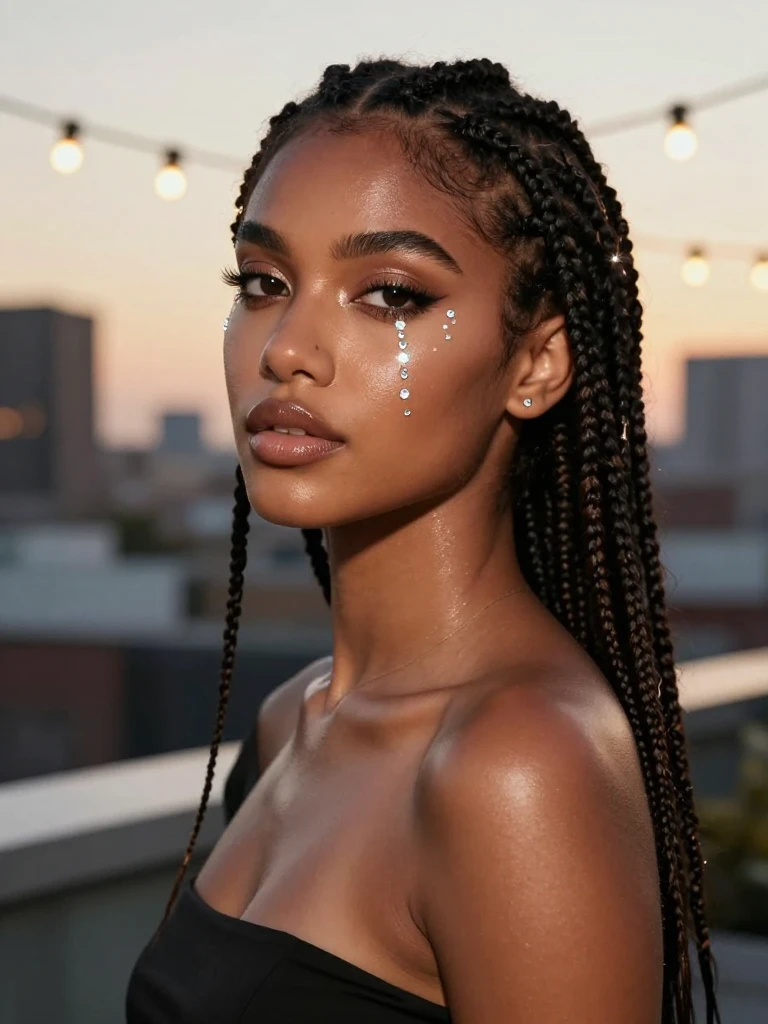
A downward line of small crystals or rhinestones takes the place of any liquid or cream product here, giving a bejeweled, high-shine finish instead of a painted one. It tends to pair with a glossy, dewy base and softly smoked eyes so the crystals stay the clear centerpiece, and a touch of inner corner highlight helps the first stone catch as much light as the ones trailing down the cheek.
Technique
Each stone is set individually with a precision lash adhesive using tweezers, working from the inner corner outward so the spacing stays even and the line doesn’t curve unevenly partway down.
Longevity
This is one of the longest-wearing options here once the adhesive fully cures, since the stones don’t smudge or transfer the way cream or liquid products can.
15. Two-Tone Split Face Cry Baby Makeup
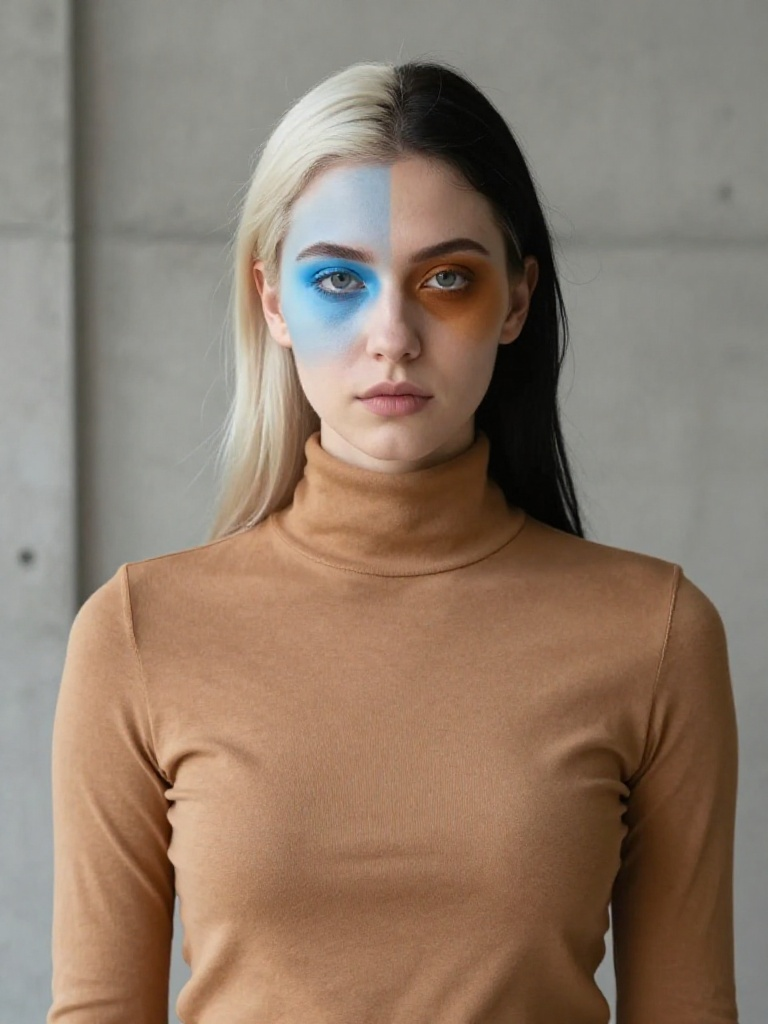
Two entirely different color stories share one face in this version, split down the center so a cooler pastel tear runs on one side and a warmer or darker tear runs on the other, symbolizing two contrasting moods at once. It’s the most editorial and least wearable outside a shoot or competitive look, and it shares some of its color-blocking logic with Y2K makeup, where two clashing palettes are deliberately placed side by side instead of blended together.
Technique
A vertical line is mapped down the center of the face first with a light pencil, then each half is built independently, base and all, before the tear details are added last so the split stays exact.
Skin Tone Match
Because each half is treated as its own color story, this works on any skin tone as long as both halves are adjusted to sit naturally against the same underlying base shade.
Where Most People Go Wrong With Cry Baby Makeup
The most common mistake is treating the tear line as an afterthought, drawn on in a rush after the rest of the face is finished. The tears are the entire concept here, not a garnish, so they need the same planning as the eye look itself: a clear color choice, a clean starting point at the lash line, and a path that follows the natural curve of the cheek rather than cutting straight down. A light dust of HD setting powder over the base before the tears go on also keeps the surrounding skin from grabbing product unevenly. A rushed, uneven tear line is usually what separates a look that reads as styled from one that reads as an accident.
Who Cry Baby Makeup Actually Suits
This trend suits anyone drawn to costume, editorial, or character-based makeup, whether that’s for Halloween, a themed shoot, or simply experimenting with technique. The pastel and minimalist versions translate reasonably well to a night out or a creative event, while the more elaborate options, word art, split-face, or gothic drips, are better suited to a dedicated shoot or costume setting where the full effect has room to be seen.
Quick Comparison
| Look Name | Best For | Technique | Longevity |
|---|---|---|---|
| Pastel Porcelain Doll | Fair to light-medium tones | Hand-painted gel line | Several hours |
| Glossy 3D Bubble | Editorial shoots | Raised gel dabbing | 2-4 hours |
| Watercolor Wash | Cool undertones | Sponge-blended cream | Moderate |
| Star-Flecked Glitter | Warm, low light | Glued glitter/stars | Short, dry only |
| Graphic Blue Drip Lip | Fair to medium tones | Smudged lip color | Several hours |
| Painted Symbol Forehead | Costume settings | Concealed brow, painted symbol | Moderate |
| Word-Art | Bold costume looks | Sketched then filled lettering | Several hours |
| Foundation-Melt | Most skin tones | Streaked light foundation | Long-wearing |
| Gothic Black Tear Trail | Dramatic eye lovers | Smudged black liner | Several hours |
| Chrome Metallic | Flash photography | Chrome pigment stroke | Short, transfers easily |
| Rainbow Gradient | Most skin tones | Wet-blended color sections | Moderate |
| Blush-Heavy Sad Clown | Statement looks | Circular dense blush | Needs touch-ups |
| Minimalist Single Tear | Everyday wear | Precise single liner stroke | Long-wearing |
| Rhinestone-Trail | Long events | Individually set crystals | Longest-wearing |
| Two-Tone Split Face | Editorial shoots | Independently built face halves | Moderate |
Frequently Asked Questions
What products are used to create cry baby makeup tears?
Most versions use a cream or gel eyeliner, liquid liner, or 3D gel product for raised texture. Foundation-streak versions use a lighter concealer shade, and rhinestone or glitter versions rely on a precision lash adhesive instead of paint. A small cry baby makeup bag with just a liner, a fine brush, and a damp sponge covers nearly every look on this list.
Is cry baby makeup only for Halloween?
It started as a costume and editorial trend, but the more minimalist versions, like a single clean tear line paired with natural makeup, work as a subtler styling choice for a night out or a themed photoshoot outside of Halloween specifically.
How long does cry baby makeup last on the skin?
It varies widely by technique. Painted or foundation-based tears set with powder can last several hours, while glitter, 3D gel, and chrome finishes tend to break down within two to four hours, especially with touching or humidity.
Does cry baby makeup work for all skin tones?
Yes, though color choices should shift with undertone. Cooler pastel tears sit most naturally on cool or fair undertones, while warmer shades like rust, peach, or deep plum carry the same effect on warmer or deeper skin tones.
What’s the most beginner-friendly cry baby makeup idea to try first?
The minimalist single-tear version is the most approachable starting point, since it only requires one clean, controlled line rather than a full base transformation, symbol work, or dimensional product.
Final Thoughts
Out of everything here, the minimalist single tear and the pastel porcelain doll looks are the two worth starting with. Both rely on a clean technique rather than specialty products, and both scale up easily once the tear-line control feels natural. The more elaborate versions, chrome, split-face, word art, are worth building toward, but they ask for more patience and a steadier hand than most people expect on a first attempt.


Pingback: 17 Trending Burgundy Makeup Ideas for Every Skin Tone - Glow Vibes Spot