
Neck piercings have become a unique way to add jewelry beyond traditional ear and facial placements. From a single minimalist stud at the throat to hidden nape designs, this placement offers styles ranging from subtle details to bold statement looks.
Unlike many common piercings, neck jewelry depends heavily on placement, anatomy, and lifestyle. The right design should not only look good but also suit your daily routine, clothing choices, and comfort level.
What Is a Neck Piercing?
A neck piercing is a type of body jewelry placed around the front, side, or back of the neck. Most neck piercings use either surface piercing techniques or microdermal anchors, depending on the desired look and location.
Because the neck moves constantly throughout the day, these piercings require careful placement and suitable jewelry. A professional piercer usually checks the skin, movement, and available tissue before recommending a specific style.
Surface Neck Piercing
A surface neck piercing uses a special bar placed underneath the skin, with both ends of the jewelry visible. This creates a connected two-point appearance and is commonly used for horizontal or vertical neck designs.
Microdermal Neck Piercing
A microdermal piercing uses a small anchor beneath the skin with only the decorative top visible. This creates a floating jewelry effect and is often chosen for single gemstone placements or small neck patterns.
Popular Neck Piercing Placements
Different areas of the neck create completely different styles. Choosing the right placement depends on how visible you want the jewelry to be and how it fits with your everyday look.
Front Neck Piercing
Front neck piercings sit along the center of the throat area and are among the most recognizable styles.
A single stud creates a minimalist look, while double and triple arrangements create a more dramatic vertical design.
Nape Neck Piercing
A nape piercing is placed at the back of the neck, usually near the hairline.
This style remains hidden most of the time and becomes visible when the hair is tied up, making it a popular choice for people who want a more discreet piercing.
Side Neck Piercing
Side neck piercings sit away from the center of the throat and create a more artistic, asymmetrical appearance.
This placement works well for people who want something different from traditional centered designs and prefer jewelry that appears from certain angles.
1. Single Front Neck Piercing for a Minimalist Statement
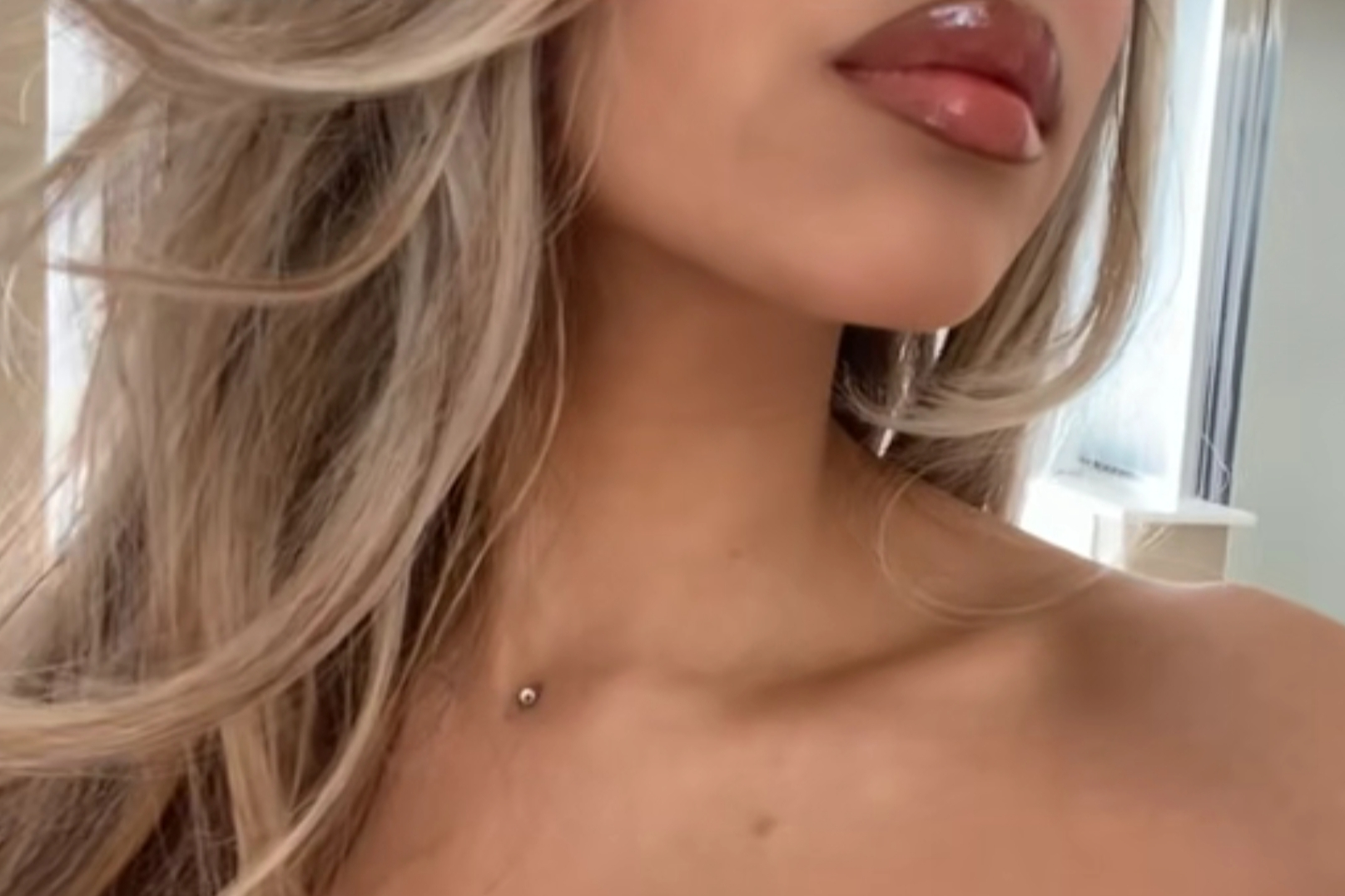
A single front neck piercing is one of the cleanest ways to wear neck jewelry. Positioned at the center of the throat or near the collarbone area, it creates a small but noticeable focal point without the heavier appearance of multiple piercings.
This style works because the placement itself does most of the visual work. A simple stud can look intentional and elegant, especially when paired with open necklines, simple outfits, or minimal accessories.
The Appeal of a Single Centered Design
The biggest advantage of this style is its balance between visibility and simplicity. Unlike larger neck arrangements, a single piercing does not overpower your overall appearance. It adds a subtle detail that becomes noticeable when someone looks closer.
The centered placement also creates a symmetrical look, making it popular among people who prefer clean lines and balanced body jewelry styling.
Jewelry Choices That Suit This Placement
For a minimalist front neck piercing, small titanium discs, flat gemstones, and low-profile studs usually work best. These options keep the jewelry lightweight while maintaining a refined appearance.
Large charms or heavy designs can make a single piercing look unbalanced, especially in an area that moves frequently with talking, turning, and daily activities.
2. Double Front Neck Piercing for a Balanced Vertical Look

A double front neck piercing uses two jewelry points placed vertically along the center of the neck. Compared with a single stud, this design creates more structure while still keeping a relatively minimal appearance.
The two points work together to form a visual line, making the neck area appear more styled without requiring a full cluster of jewelry.
Creating the Right Spacing
The success of this design depends heavily on spacing. The distance between both piercings needs to look intentional because uneven placement becomes much more noticeable with only two points.
A professional piercer usually marks the placement while considering natural neck movement and body proportions rather than simply measuring equal distances.
Jewelry Pairing Ideas
Matching jewelry is the safest choice for this style. Two identical gemstones, titanium discs, or small metallic ends create a polished appearance.
For a slightly more personalized look, some people choose different but complementary stones, such as a clear top piece with a darker lower accent.
3. Triple Front Neck Piercing With a Graduated Arrangement
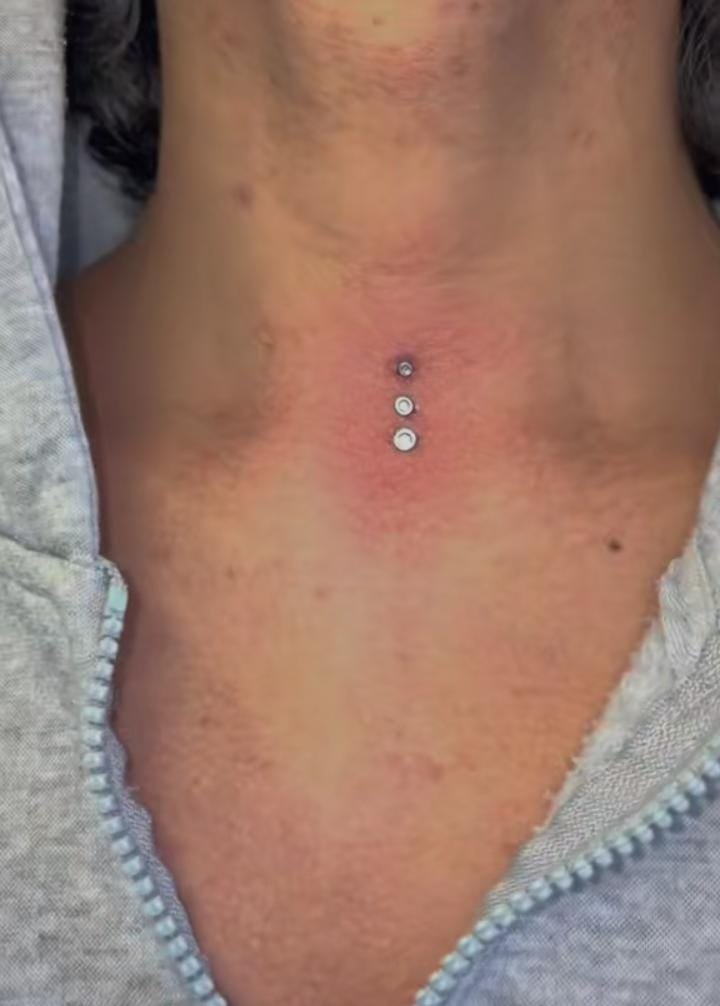
A triple front neck piercing transforms the neckline into a complete jewelry feature. Instead of two points, this style uses three placements that can follow a straight line or a gradual size progression.
It is one of the most noticeable neck piercing designs because the arrangement itself becomes the main accessory.
Why the Three-Point Layout Stands Out
The three-piece structure creates movement and depth. Many people prefer a graduated style where the smallest jewelry sits higher and larger pieces move downward toward the collarbone.
This creates a more natural flow instead of making every point compete equally for attention.
Planning the Final Look Before Piercing
Triple placements require more planning than single designs because spacing cannot easily be corrected later. The piercer needs to consider how the skin moves, how the jewelry aligns when standing naturally, and how it will look with different clothing styles.
For this reason, consultation and marking are especially important before committing to this arrangement.
4. Nape Neck Piercing for a Hidden Statement

A nape neck piercing sits at the back of the neck near the hairline, offering a more private alternative to front neck placements. It becomes visible mainly when the hair is tied up, making it popular among people who want a piercing that can be revealed selectively.
Unlike front placements, the nape style creates a more unexpected detail because it is not constantly visible.
Why the Nape Placement Feels Different
The appeal of this piercing comes from its element of surprise. It can remain hidden during everyday activities and become a statement when paired with short hairstyles, ponytails, or updos.
This makes it a good option for someone who likes body jewelry but prefers a less obvious placement.
Jewelry That Works Best at the Back of the Neck
Smaller jewelry pieces usually perform better in this area. Flat tops and compact studs reduce the chance of catching on hair, collars, or clothing.
A simple design often looks more elegant because the placement itself already creates the visual interest.
5. Diagonal Front Neck Piercing for an Artistic Placement

A diagonal front neck piercing moves away from the traditional straight vertical arrangement and follows an angled line across the neck. This gives the design a more natural and artistic appearance.
Instead of creating symmetry, the diagonal approach focuses on movement and individuality.
The Difference an Angle Creates
The angled placement changes how the jewelry interacts with the neckline. It can create a softer appearance compared with perfectly centered rows and often feels more customized to the wearer.
This style works particularly well for people who want something different from common vertical neck piercing designs.
Choosing Jewelry for an Angled Design
Simple jewelry usually complements this placement best. Small matching studs or gemstone ends help highlight the direction of the piercing without making the design appear too busy.
Because the angle is the main feature, adding oversized jewelry can distract from the overall shape.
6. Horizontal Surface Neck Piercing for a Unique Collarbone Accent
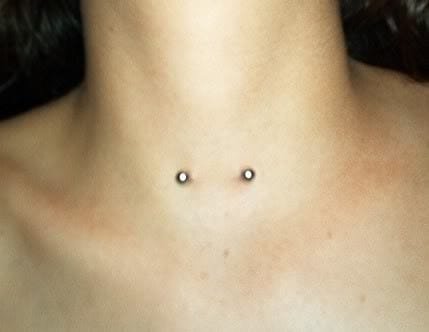
A horizontal surface neck piercing creates a completely different look from traditional vertical neck placements. Instead of following the center line of the throat, this style runs sideways near the collarbone area, creating a sleek horizontal detail.
This placement has a more modern and unconventional appearance because most neck piercings naturally follow vertical lines. The horizontal direction gives it a stronger fashion-focused feel.
Why This Placement Creates a Different Effect
The main attraction of this style is its unusual shape. A horizontal piercing can complement the natural structure of the collarbone and works especially well with open-neck outfits where the jewelry becomes part of the neckline.
However, because surface placements experience more movement and pressure from the skin, choosing an experienced piercer is especially important.
Jewelry Style That Fits Best
A low-profile surface bar with simple ends usually creates the cleanest result. Heavy charms or large decorative pieces can add unnecessary pressure and make the placement harder to maintain.
Minimal titanium ends or small gemstones keep the design elegant while allowing the unique direction of the piercing to remain the main feature.
7. Microdermal Neck Piercing Constellation for a Custom Pattern
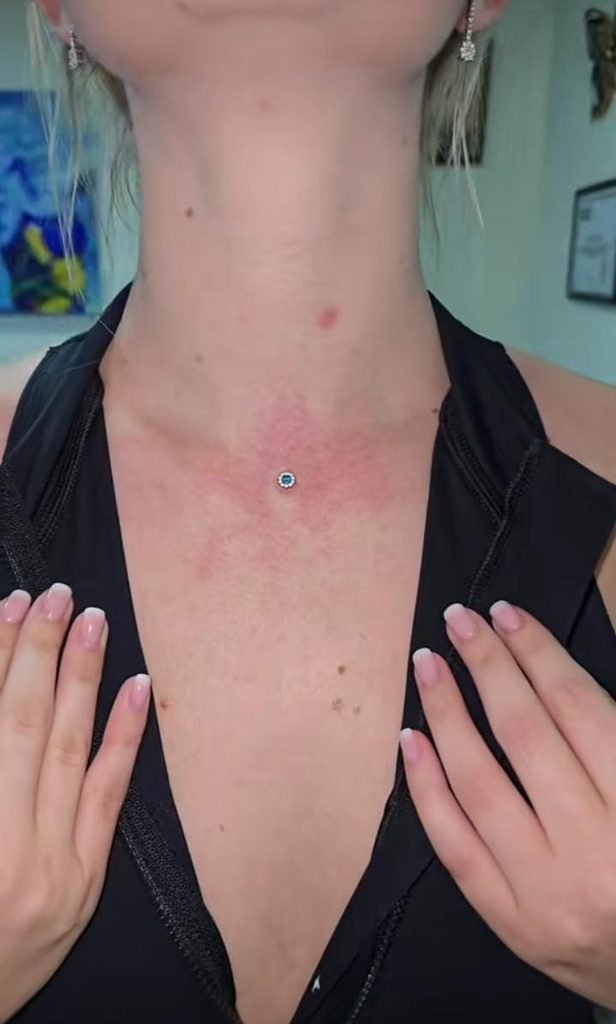
A microdermal neck piercing constellation replaces traditional lines with a scattered arrangement of individual jewelry points. Instead of following a fixed pattern, several small dermals are placed across the lower neck or collarbone area to create a personalized design.
This style is popular among people who want their piercing to look more like permanent body jewelry art rather than a single accessory.
Building a Balanced Constellation Design
The most successful constellation placements usually look intentional rather than completely random. The spacing, number of points, and jewelry size all affect whether the final result feels elegant or overcrowded.
Many designs use odd numbers of piercings and different spacing patterns to create a more natural appearance, similar to a star arrangement.
Choosing Jewelry for a Constellation Look
Small flat gemstone tops work particularly well because they keep the focus on the overall pattern rather than one individual piece.
Clear crystals, colored stones, or matching metallic finishes can all create different moods depending on whether you want a delicate or dramatic effect.
8. Sternum-Adjacent Neck Piercing for a Lower Placement

A sternum-adjacent neck piercing sits slightly below the traditional throat area, closer to the upper chest where the collarbones meet. This placement creates a softer transition between neck and chest jewelry.
It is a good choice for people who like the idea of a front neck piercing but want something positioned slightly lower and less directly centered on the throat.
Why Location Changes the Overall Style
Moving the piercing lower changes how it interacts with clothing. Instead of being the first thing noticed, it becomes a detail that works with low-cut tops, open collars, and layered fashion styles.
The placement can feel more elegant because it follows the natural lines around the collarbone.
Jewelry Options That Work Well
This area usually looks best with single gemstones, flat discs, or small decorative ends. Since the placement already creates a strong neckline effect, simple jewelry often looks more refined.
A larger charm can work after healing, but starting with lightweight jewelry is usually the better choice.
9. Gemstone-Tipped Front Neck Piercing for a Jewelry-Like Finish

A gemstone-tipped front neck piercing keeps the classic front placement but replaces a basic metal end with a colored or clear gemstone. The result feels less industrial and more like a piece of fine jewelry placed on the skin.
This option is popular because it changes the personality of the piercing without changing the actual placement.
How Gemstones Change the Appearance
A clear stone creates a subtle sparkle, while colored gemstones can completely change the mood of the look. Blue, emerald, ruby, and champagne tones each create a different visual effect.
The gemstone becomes the focus, so the size and setting matter more than the complexity of the design.
Choosing the Right Gem Setting
For everyday wear, small bezel-set gemstones are usually more practical because they sit closer to the skin and have fewer edges that can catch.
A simple stone with a quality setting often looks more expensive and polished than a larger, overly detailed design.
10. Graduated Ball Front Neck Piercing for a Sculptural Look
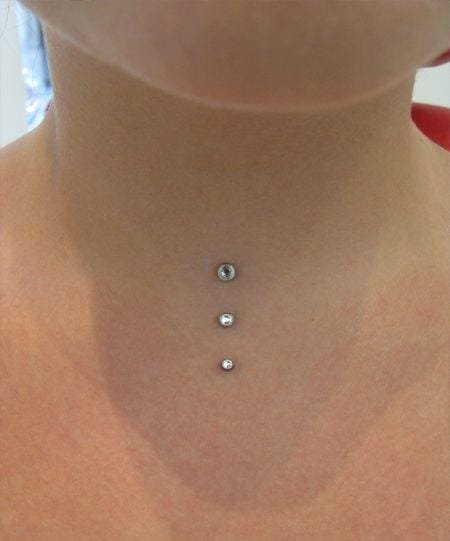
A graduated ball front neck piercing uses multiple jewelry points that gradually change in size, creating a flowing design rather than a uniform row.
The smallest piece usually starts higher on the neck, while larger ends move downward, creating a balanced visual transition.
Why Size Progression Makes This Style Stand Out
Unlike a standard triple piercing where every piece may look identical, graduation creates movement. The changing sizes guide the eye naturally along the neckline.
This makes the arrangement feel more like a designed jewelry piece rather than separate piercings placed together.
Keeping the Design Wearable
The key to this style is restraint. A dramatic size difference can make the lower jewelry overpower the entire arrangement.
Using small-to-medium size changes with matching finishes creates a more sophisticated and wearable result.
11. Asymmetrical Side Neck Piercing for an Off-Center Style

An asymmetrical side neck piercing moves away from traditional centered placements and places the jewelry on one side of the neck. This creates a more personalized look because the design depends on angle, hairstyle, and how the jewelry interacts with the wearer’s natural features.
Unlike front neck piercings that are designed to be symmetrical, this style focuses on individuality and a more unexpected placement.
Why Side Placement Feels More Unique
The main appeal of a side neck piercing is that it changes depending on the viewing angle. It may remain subtle from the front but become more noticeable from a profile view.
This makes it a good option for people who want a visible piercing without making the center of the neck the main focus.
Styling Around the Placement
Hair and clothing choices can completely change how this piercing looks. Wearing hair to one side can highlight the jewelry, while high collars may partially hide it.
A small gemstone or flat metallic end usually works best because the side placement already creates enough visual interest.
12. Curved Barbell Nape Piercing for a Softer Back Neck Look
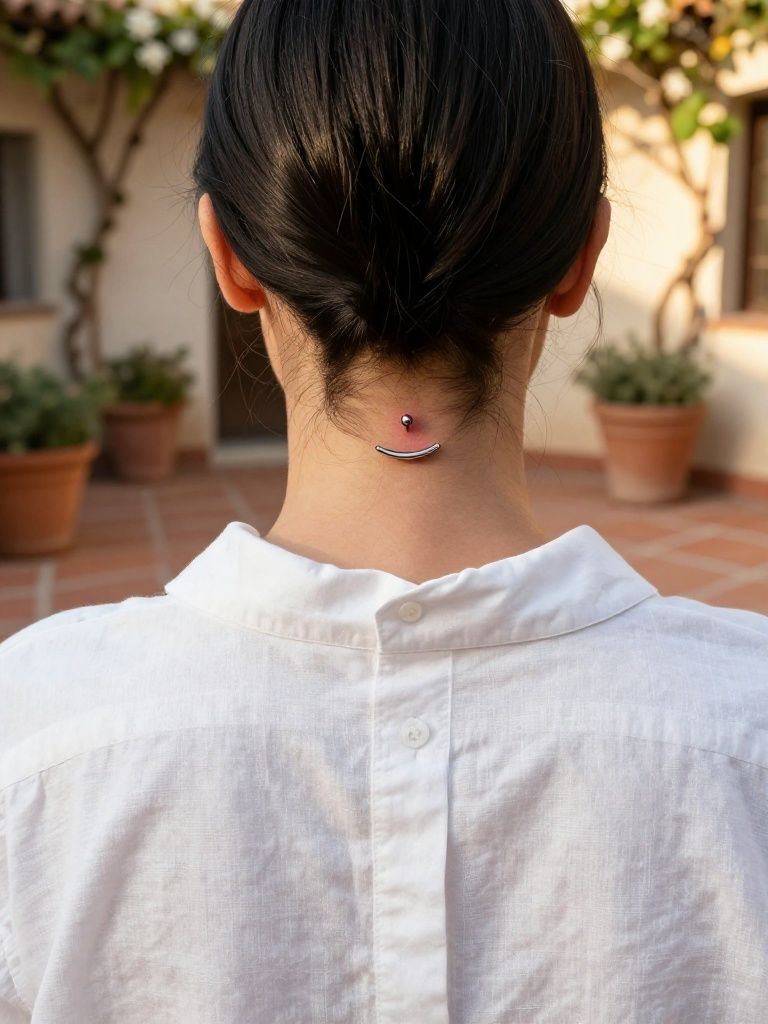
A curved barbell nape piercing keeps the classic back-of-neck placement but changes the jewelry shape from a standard stud or bead to a curved design that follows the natural shape of the area.
This gives the piercing a smoother appearance while allowing the jewelry to sit closer to the skin.
Why Jewelry Shape Matters Here
The nape area experiences frequent movement from hair, clothing, and sleeping positions. A curved piece can create a more comfortable fit because it follows the natural direction of the placement.
The difference is subtle, but the right jewelry shape can make the piercing look more intentional and refined.
Choosing a Practical Design
For everyday wear, small curved titanium pieces and simple ends usually provide the best balance between style and comfort.
Decorative pieces can be added later, but a cleaner design often works better for a placement that already has a hidden, elegant appeal.
13. Threadless Flat-Top Front Neck Piercing for a Minimal Finish

A threadless flat-top front neck piercing focuses on simplicity by replacing traditional ball ends or raised gemstones with a smooth, low-profile top.
The result is a piercing that looks almost like a tiny detail on the skin rather than a traditional piece of body jewelry.
Why Minimal Jewelry Works Well
This style follows the growing trend of fine jewelry-inspired piercings, where the goal is not to create a bold statement but to add a subtle detail.
Because the top sits closer to the skin, it creates a cleaner silhouette and works well for people who prefer understated styling.
Best Jewelry Choices for This Look
Flat discs, tiny polished metals, and small flush gemstones are ideal choices. These designs maintain the minimalist appearance while still adding personality.
This option is especially suitable for someone who wants a neck piercing that feels elegant rather than dramatic.
14. Web Cluster Neck Piercing for a Geometric Arrangement

A web cluster neck piercing uses multiple dermal points arranged closely together, often forming a triangle or another small geometric shape.
Instead of a vertical line, this style creates a compact design that feels more like a piece of body art.
Creating a Clean Cluster Pattern
The challenge with clustered placements is balance. Too much space can make the design feel disconnected, while placing the points too close together can make the area look crowded.
A professional piercer usually plans the pattern carefully before marking the final positions.
Jewelry That Complements the Shape
Matching jewelry creates the strongest effect in a cluster design. Small identical gemstones or flat metallic tops help the pattern look intentional.
Using different colors or sizes can work, but the arrangement needs careful planning to avoid making the design appear random.
15. Single Statement Neck Piercing at the Throat Notch

A single statement neck piercing at the throat notch uses one carefully positioned piece of jewelry at the natural dip where the collarbones meet.
Unlike multi-piercing designs, this style relies completely on placement rather than quantity to create impact.
Why One Piercing Can Make a Strong Statement
The throat notch is already a natural focal point of the body, so even a simple piece can attract attention. A well-placed gemstone or polished disc can look intentional without needing additional jewelry.
This makes it a strong choice for someone who wants a memorable piercing while keeping the overall look clean.
Selecting the Right Jewelry Size
The best results usually come from medium-sized flat tops or subtle gemstones. Oversized jewelry can overpower the natural shape of the neckline.
A simple design allows the placement itself to remain the main feature.
Front Neck vs. Nape vs. Side Neck Piercing: Which Style Fits You?
Choosing the right neck piercing is not only about the design you like visually. The placement should also match your lifestyle, clothing choices, and how visible you want the jewelry to be.
Front neck piercings create the strongest statement because they remain visible with most outfits. They work well for people who enjoy noticeable body jewelry and want the piercing to become part of their overall style.
Nape piercings offer a more hidden approach. They are revealed mainly when hair is pulled back, making them a good choice for someone who wants a personal detail rather than constant visibility.
Side neck placements sit between both options. They provide personality and uniqueness while avoiding the direct attention of a centered throat design.
How to Choose a Neck Piercing That Matches Your Style
The best neck piercing is the one that fits your everyday life, not only the inspiration photo that caught your attention.
Consider how often you wear necklaces, high collars, scarves, or hairstyles that may interact with the placement. A design that looks perfect in a studio photo may feel inconvenient if it constantly catches on clothing.
Starting with a simple single placement is often the easiest approach. Once you understand how your skin heals and how the jewelry fits into your routine, additional designs can be considered later.
Frequently Asked Questions
Are neck piercings painful?
Pain levels vary depending on placement, anatomy, and personal tolerance. Most neck piercings are considered moderate because the area involves movement and sensitive tissue, but the actual piercing process is usually very quick.
How long does a neck piercing take to heal?
Healing depends on the type of placement and jewelry used. A single neck piercing may settle faster, while multiple dermal arrangements or surface placements usually require more patience and professional monitoring.
Are neck piercings permanent?
Many neck piercings, especially dermal styles, can be long-term but may experience migration or rejection depending on anatomy, aftercare, and lifestyle factors.
What jewelry material is best for a neck piercing?
Implant-grade titanium is commonly preferred because it is lightweight, durable, and suitable for many people with sensitive skin. Other materials may be considered after healing.
Can anyone get a neck piercing?
Not everyone’s anatomy is suitable for every placement. A professional piercer should evaluate skin thickness, movement, and placement area before recommending a specific design.
Final Thoughts
A neck piercing is less about following a trend and more about choosing a placement that fits your personality and daily routine. From a subtle single front stud to a detailed dermal constellation, each design creates a different balance between visibility, style, and commitment.
The strongest results usually come from careful planning, professional placement, and jewelry that matches your lifestyle. Whether you prefer a minimalist detail or a bold statement, the right neck piercing should feel like a natural extension of your personal style.


Pingback: 10 Industrial Piercing Ideas More Elegant Than the Trend - Glow Vibes Spot